Yesterday, a heartbreaking incident occurred in our town when red wine from a local small winery broke during transportation. It was reported that the cause was due to drastic temperature changes combined with bumpy road conditions, resulting in several cases of precious wine bottles breaking and wine spilling everywhere.
This reminded me of previous discussions about wine storage I had seen on forums. Indeed, under Spain’s climate conditions, wine preservation requires extra care. Especially in our small towns, summer temperatures often exceed 35 degrees, and without proper storage conditions, wine bottle explosion can easily occur.
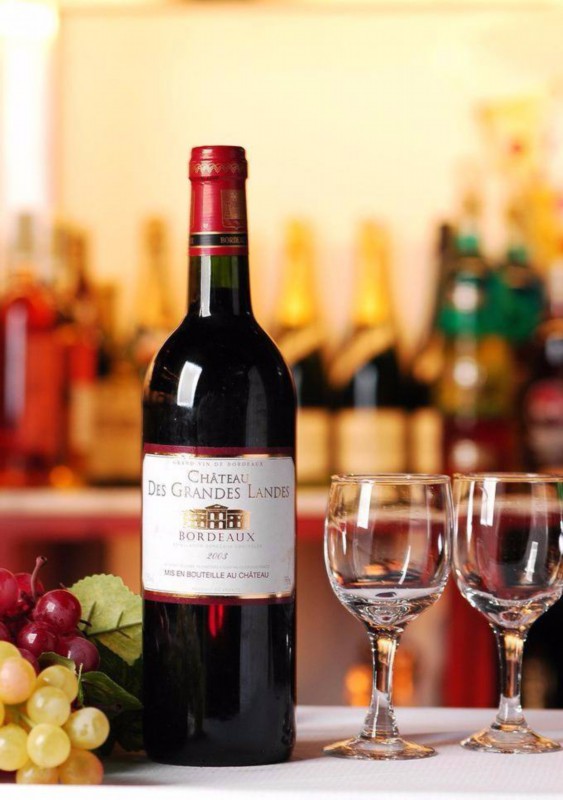
According to the winery owner, this loss involved approximately 200 bottles of red wine, including some aged vintage bottles. It’s truly regrettable that these wines were all carefully crafted using local grapes, with each bottle carrying the winemaker’s dedication. Now they can only reassess transportation plans and consider using more professional temperature-controlled transport equipment.
Wine Transportation Considerations
Following this incident, local winemakers have begun to re-examine transportation and storage standards. Temperature control is absolutely a key factor, with ideal storage temperatures maintained between 12-18 degrees Celsius. Additionally, avoiding severe vibrations is important, especially for aged wines.
Below are some experiences summarized by local winemakers:
| Storage Conditions | Recommended Standards |
|---|
| Temperature | 12-18°C |
| Humidity | 60-70% |
| Light | Avoid direct sunlight |
| Vibration | Minimize vibration |
Although this wine breakage incident was regrettable, it also served as a wake-up call for our town’s winery industry. We hope that through Rioja wine improvements in storage and transportation conditions, similar losses can be avoided in the future. After all, every drop of red wine is part of our Spanish culture and deserves our careful protection.
