The Colorful World of Spanish Red Wines
As a wine enthusiast who has lived in Spain for many years, I’ve noticed that many friends don’t fully understand the color variation patterns of Spanish red wines. Actually, by observing the wine’s color, we can preliminarily judge a red wine’s vintage, grape variety, and even quality. Today I’d like to share my observations with you.
Color Characteristics of Young Red Wines
Freshly bottled Spanish red wines typically display deep purple-red or deep ruby red hues. This color comes from anthocyanins in grape skins - the higher the concentration, the deeper the color. Young Tempranillo wines from the Rioja region, when poured into a glass, show that almost opaque deep red color that’s absolutely captivating.
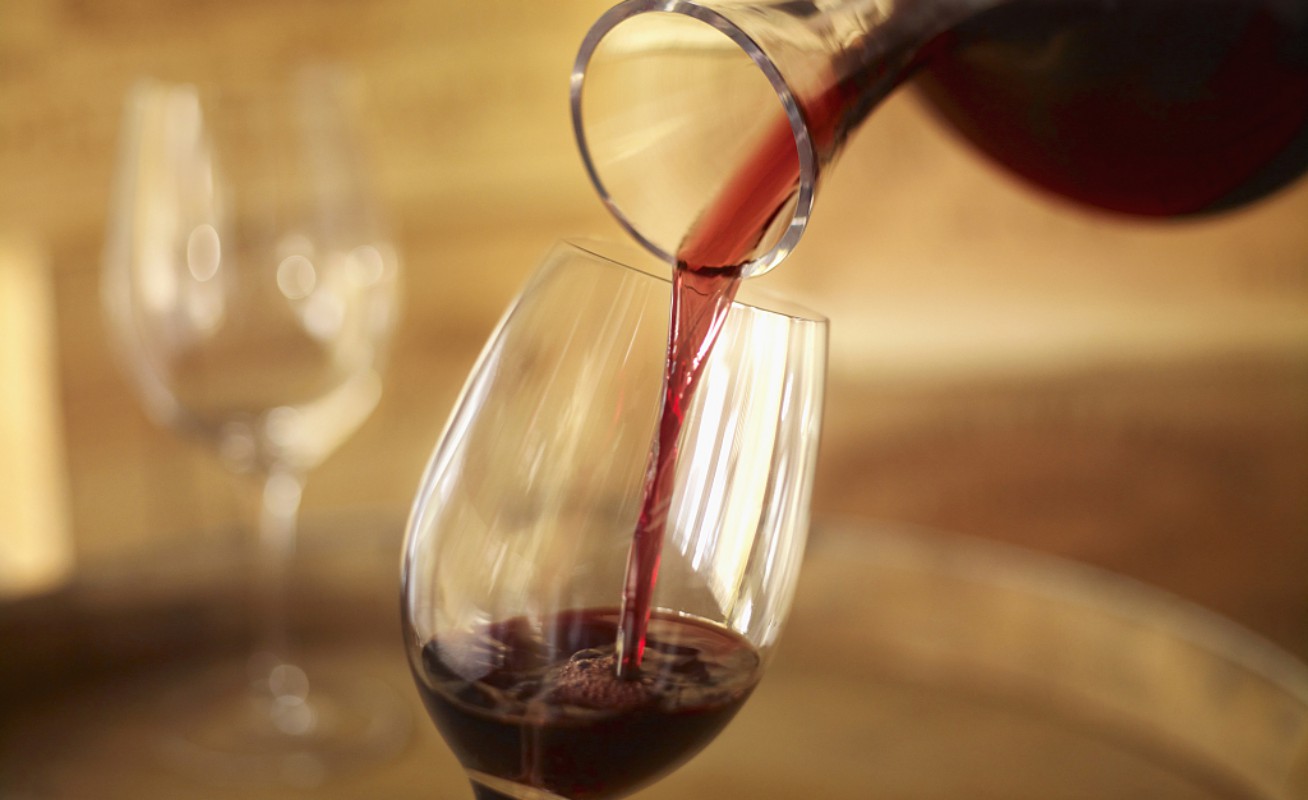
I remember my first taste of Monastrell from the Jumilla region - that nearly ink-black deep purple color left a lasting impression. These deeply colored red wines typically have high tannin content and need decanting to reveal their best flavors.
Color Evolution During Aging
Spanish red wines undergo noticeable color changes during aging. Over time, the original deep purple-red gradually shifts toward brownish-red, eventually evolving into brick red or even amber tones. This process typically takes 5-15 years.
| Aging Time | Primary Hue | Transparency |
|---|
| 1-3 years | Deep purple-red | Opaque |
| 4-8 years | Ruby red | Semi-transparent |
| 9-15 years | Brick red | Transparent |
| 15+ years | Amber red | High transparency |
Regional Color Differences
Different Spanish regions show distinct color characteristics due to variations in climate, soil, and grape varieties. Ribera del Duero wines typically have deeper colors, related to the continental climate and limestone soils. Meanwhile, Catalonia’s Priorat region, with its unique slate soils, often produces wines with purple-black tones.
Some say you can completely judge red wine quality through wine cabinet color matching - this is too absolute. However, color is indeed our first step in wine tasting. A young red wine with overly pale color usually indicates insufficient grape ripeness or winemaking issues.
Practical Color Assessment Techniques
When tasting Spanish red wines, I recommend observing the wine’s color against a white background. Tilt the glass at 45 degrees and observe the color variations at the wine’s edge. Young red wines typically show purple edges, while aged wines display orange or brown edges. This small detail helps you quickly assess the wine’s approximate age.
Color saturation is also important. Quality Spanish red wines maintain certain depth and luster even after long aging, never appearing overly dull or cloudy. If you notice abnormally dark wine color or sediment, you might want to carefully consider its storage conditions.
