I’ve been researching Spanish wine e-commerce website design lately and discovered many details worth exploring in depth. As a designer who has lived in Spain for many years, I’d like to share some practical experience about wine website design, particularly insights from Spanish wine purchasing websites.
Core Elements of Homepage Design
Homepage design for wine websites is crucial, requiring a balance between visual appeal and practical functionality. The homepage should prominently showcase selected wine products while maintaining a clean and clear navigation structure. I recommend using large image carousels to display featured products, combined with concise text descriptions and pricing information.
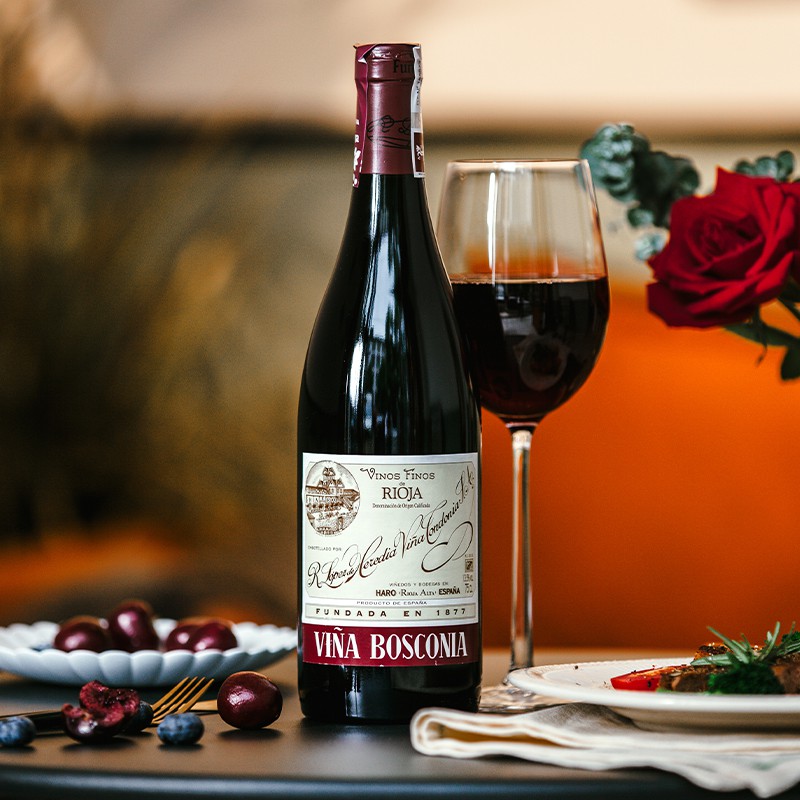
Product Page Layout Optimization
Product page design directly impacts conversion rates. Based on my observations, successful wine websites always include the following elements on their product pages:
| Element Type | Importance Level | Design Recommendations |
|---|
| Product Images | Very Important | Multi-angle high-resolution images with zoom functionality for Spanish wine accessories |
| Detailed Description | Important | Include origin, vintage, tasting notes and other information |
| User Reviews | Important | Authentic reviews enhance credibility |
| Related Recommendations | Moderate | Suggest similar types or similarly-priced products |
When designing product pages, special attention should be paid to mobile compatibility, as many Spanish consumers now prefer browsing and purchasing via smartphones.
User Experience Design Considerations
User experience is a key factor in wine website success. I’ve found that Spanish users particularly value the following aspects: simplified purchasing processes, diverse payment options, and transparent delivery information.
Shopping cart and checkout processes should be as simple as possible, avoiding excessive form filling. Additionally, support for locally popular payment methods like PayPal and bank transfers is essential. Complex registration processes often lead to user abandonment, so I recommend supporting guest purchases or quick login via social media accounts.
Localization Design Essentials
For the Spanish market, website design needs to incorporate localization elements. Color schemes can integrate traditional Spanish tones, such as combinations of deep red and gold. Language accuracy is also crucial - avoid machine translations and preferably have local natives review all copy content.
Finally, I want to emphasize that wine website design isn’t just about visual presentation - it’s more importantly about conveying quality and professionalism. Only through proper layout design, high-quality product images, and detailed product information can you truly attract and retain customers.
