Overview of Spanish Wine Quality Standards System
As the world’s third-largest wine producer, Spain has established a comprehensive wine quality standards system. This system not only ensures consumers can purchase reliable quality products but also maintains the reputation of each wine region. For those living in Spain, understanding Spanish wine quality standards helps us make better wine selections.
DO Regional Certification System
Spain’s DO certification forms the foundation of quality assurance. The country has 69 DO regions, each with strict production standards. Renowned regions like Rioja and Ribera del Duero have particularly stringent certification standards, with detailed regulations covering everything from grape variety selection to winemaking processes.
Aging Classification Standards
Spanish wine aging classifications serve as important quality indicators. Based on aging time and methods, wines are primarily divided into four categories:
| Grade | Aging Requirements | Quality Characteristics |
|---|
| Joven | No aging requirement | Fresh, intense fruit aromas |
| Crianza | Minimum 2 years, including 6 months in oak barrels | Well-balanced, suitable for daily consumption |
| Reserva | Minimum 3 years, including 12 months in oak barrels | High complexity with rich flavor layers |
| Gran Reserva | Minimum 5 years, including 18 months in oak barrels | Premium quality with high collectible value |
Quality Control Requirements
Every certified Spanish wine must undergo rigorous quality testing. Parameters such as alcohol content, acidity, and sugar levels all have clearly defined standard ranges. Additionally, sensory evaluation is crucial, encompassing comprehensive assessment of appearance, aroma, taste, and finish.
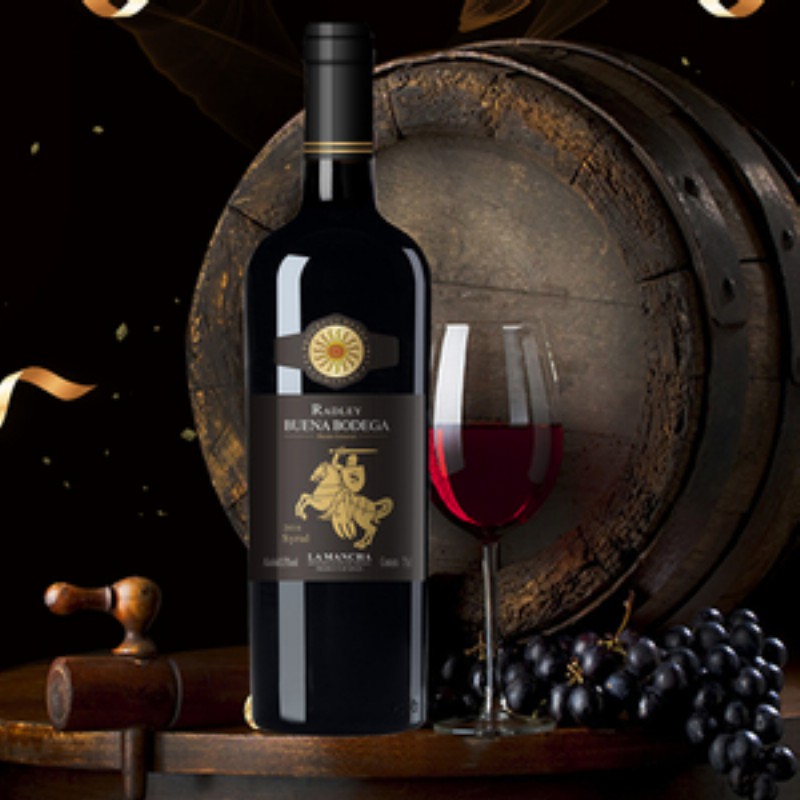
The importance of label information cannot be overlooked. Legitimate Spanish wine labels must include key information such as region, vintage, alcohol content, and producer. Consumers should carefully examine these markings when purchasing to avoid buying products that don’t meet standards.
Purchase Recommendations
For average consumers, choosing wines with DO certification marks is the safest approach. If budget allows, Reserva-level wines typically offer the best value, providing good quality at reasonable prices. For special occasions or collecting purposes, Gran Reserva wines are worth considering - while more expensive, they offer exceptional quality.
