Recently while browsing several wine specialty stores in Madrid, I discovered a concerning phenomenon: numerous wines with fake labels have appeared on the market. As a wine enthusiast who has lived in Spain for many years, I feel it’s necessary to share this issue with everyone.
Current State of Counterfeit Wine Label Proliferation
These counterfeit products mainly target brands from renowned wine regions like Rioja and Ribera del Duero. Unscrupulous merchants copy the packaging design of authentic products, mimicking even the bottle shape and label colors almost identically. This phenomenon is particularly serious in small wine retail shops and online shopping platforms.
Price differences are often the first warning signal. Authentic Rioja wines typically range from 15-30 euros, while counterfeit products may cost only 5-8 euros. Consumers must be highly vigilant about products priced significantly below market value.
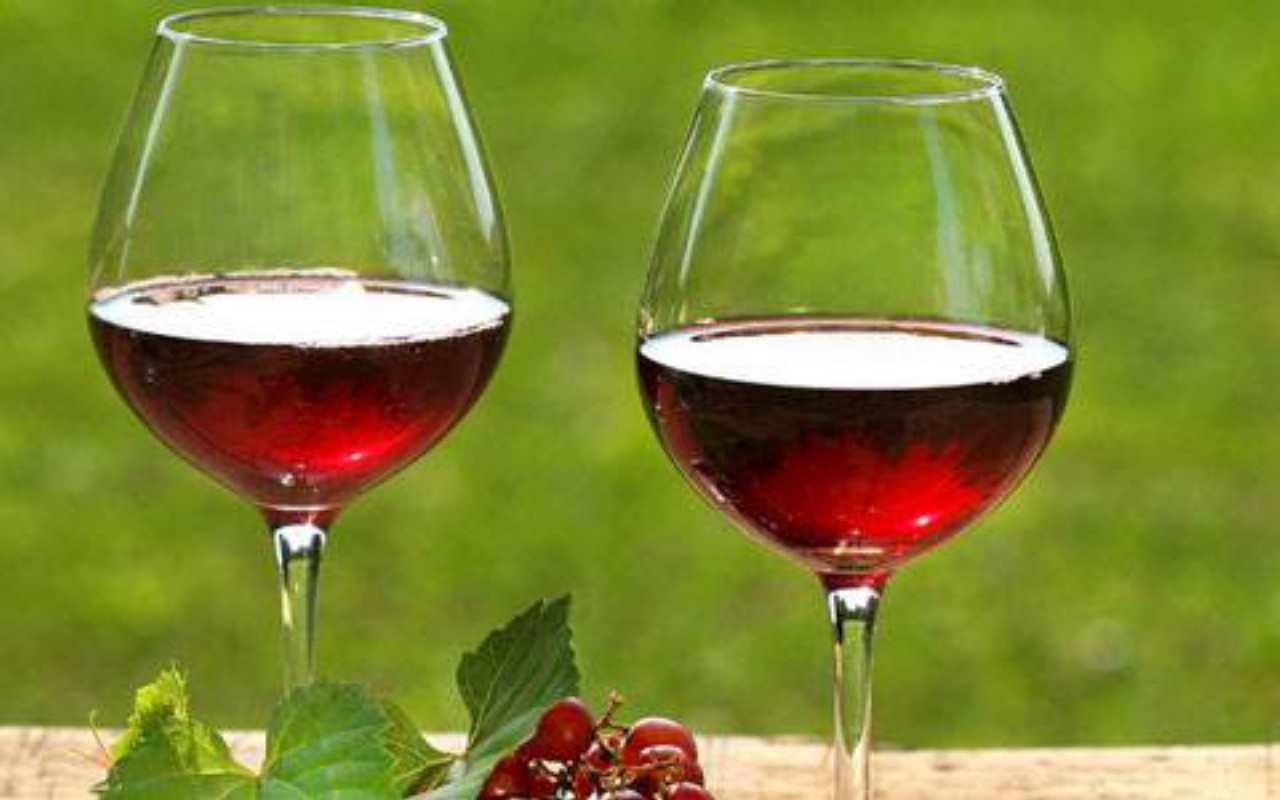
How to Identify Counterfeit Wine Labels
Through multiple comparisons of authentic and fake products, I’ve compiled several practical identification methods. First, observe the label quality - authentic labels feature exquisite printing and clear fonts, while counterfeits often have blurry or color-distorted issues.
Second, check the markings on the bottle bottom. Legitimate wineries always engrave specific marks or codes on the bottle bottom, details that counterfeiters often struggle to replicate perfectly.
| Identification Points | Authentic Features | Counterfeit Features |
|---|
| Label Printing | Clear and exquisite, full colors | Blurry and rough, color deviation |
| Bottle Craftsmanship | Thick glass, bottom markings | Thin glass, blurred markings |
| Cork | Solid texture, winery name printed | Loose texture, no clear markings |
| Price Range | Matches market pricing | Significantly below normal price |
Purchase Recommendations and Consumer Rights
I recommend choosing reputable wine specialty stores or large supermarkets for purchases. These establishments have relatively legitimate supply chains, reducing the probability of encountering counterfeits. Although prices may be slightly higher with Spanish wine trademarks, you can at least guarantee product authenticity.
If you unfortunately purchase counterfeit products, you can report to local consumer protection associations. They will assist consumers in defending their rights and investigate illegal merchants. Always preserve purchase receipts as they serve as important evidence for rights protection.
Market Impact and Call to Action
Counterfeit wine labels not only harm consumer interests but also seriously damage the reputation of Spain’s wine industry. Many excellent local wineries have suffered varying degrees of brand image damage due to counterfeit issues.
As consumers, each of us has the responsibility to resist counterfeits. By improving identification abilities through crown trademark wines and choosing legitimate purchase channels, we not only protect our own interests but also contribute to maintaining the healthy development of the entire industry. I hope relevant authorities will intensify crackdown efforts to restore a clean market environment.
