I recently had the pleasure of tasting the legendary 409 Royal Wine at a boutique winery in Madrid, and this wine truly left a remarkable impression. As a wine enthusiast who has lived in Spain for many years, I’d like to share my experience with this legendarily captivating red wine, which represents the finest tradition of Spanish Royal Wine.
Heritage and Royal Origins
The name “409 Royal Wine” derives from a significant year in Spanish history. According to the winery, this wine’s production tradition dates back to medieval times. During that era, royal nobility had already begun cultivating premium grapes in specific vineyards, exclusively for crafting top-tier wines for royal consumption. Today’s 409 Royal Wine continues this tradition, with each bottle carrying profound historical and cultural significance.
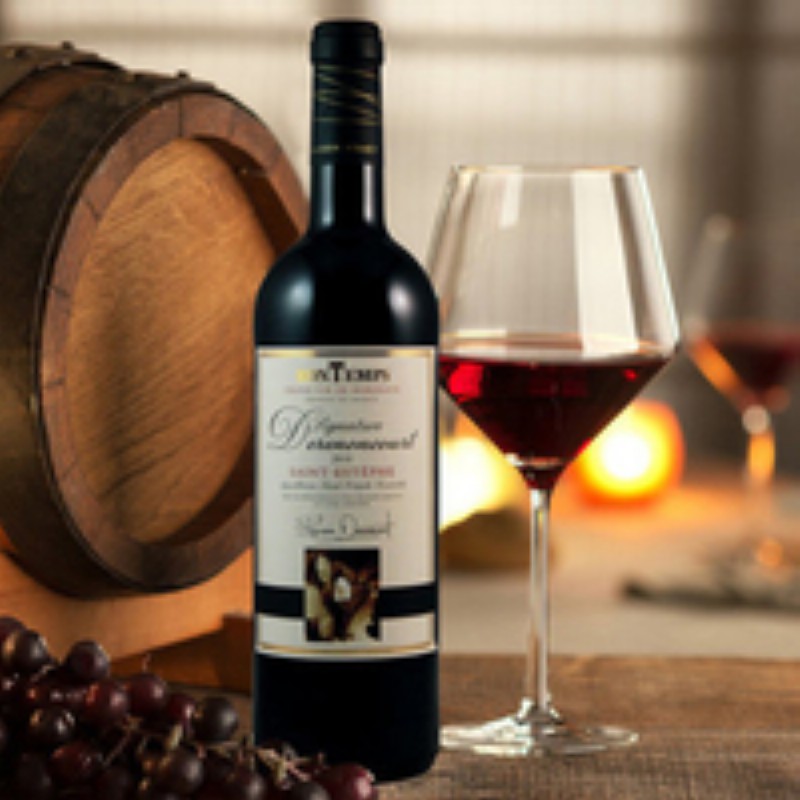
Winemaking Process and Grape Varieties
This wine primarily uses two traditional Spanish grape varieties: Tempranillo and Garnacha. The production process employs traditional fermentation techniques, aging in French oak barrels for 18 months, followed by additional cellar aging of at least 24 months before release. This rigorous aging process ensures the wine’s complexity and depth.
| Characteristic | Description |
|---|
| Alcohol Content | 14.5% |
| Aging Period | 42 months |
| Primary Grape Varieties | 75% Tempranillo, 25% Garnacha |
| Serving Temperature | 16-18°C |
| Aging Potential | 15-20 years |
Tasting Notes and Sensory Experience
Upon first tasting the 409 Royal Wine, I immediately noticed its deep garnet color, almost approaching black. After swirling, rich aromas of blackberry and cherry emerge, accompanied by subtle notes of vanilla and tobacco. On the palate, the wine displays full body and weight, with elegant and balanced tannin structure, leading to a long, lingering finish that invites contemplation.
Compared to traditional Rioja wines, the 409 Royal Wine emphasizes fruit expression while maintaining the passionate, bold character typical of Spanish wines. This wine pairs exceptionally well with roasted lamb, Iberian ham, and other traditional Spanish cuisine, though it’s equally enjoyable on its own.
If you have the opportunity to visit Spain, don’t miss this classic wine. I recommend seeking it out at specialized wine shops in Madrid or Barcelona. While the price point is premium, it’s absolutely worth the investment and provides an excellent introduction to Spanish wine culture.
