I’ve been renovating my dining room recently and have always wanted to create a Spanish-style wine culture wall. As a wine collection enthusiast, I wanted to both showcase my collection and reflect Spanish cultural characteristics. After several months of research and practice, I’d like to share some insights and experiences with everyone.
Wall Material Selection and Basic Design
Choosing the right wall material is the first step to success. Natural stone is the most classic choice, especially limestone or slate from Spain, which can create the atmosphere of a traditional wine cellar. If budget is limited, faux stone decorative panels are also a good alternative. For wall colors, I recommend choosing warm tones such as terracotta, deep brown, or wine red, as these colors can beautifully complement the elegance of wine bottles.
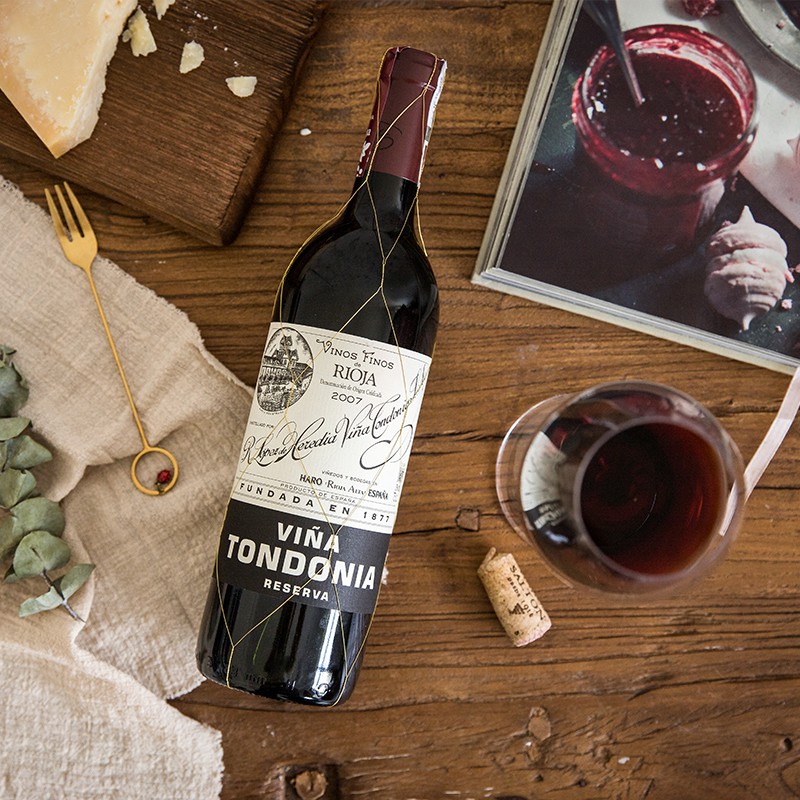
Wine Storage Rack Design Points
Wine rack design needs to balance practicality and aesthetics. I recommend using solid wood materials - oak or cedar are classic choices that both ensure safe wine bottle storage and emit a subtle woody fragrance. The depth of the racks should be controlled at 35-40 centimeters to fully accommodate standard wine bottles. For height, considering the convenience of retrieving wine, the main storage area should be between 60-180 centimeters.
| Material Type | Advantages | Disadvantages | Suitable Scenarios |
|---|
| Solid Wood | Natural, eco-friendly, great texture | Higher price, requires maintenance | High-end collection display |
| Metal | Sturdy, durable, modern feel | May cause condensation | Modern minimalist style |
| Composite Materials | Cost-effective, diverse options | Average texture | Limited budget situations |
Clever Use of Decorative Elements
Decorative elements for a Spanish wine culture wall should revolve around wine culture. Avoid overly flashy decorations, focusing on several key elements: vintage-style wine label posters, traditional wine opener displays, and Spanish wine label design along with some representative Spanish wine region maps. The lighting system is also important - I recommend using warm LED light strips that highlight the display effect without damaging the wine.
Temperature and humidity control cannot be overlooked. The ideal storage environment should maintain 12-18 degrees Celsius with humidity controlled at 60-70%. If the culture wall is primarily decorative, these standards can be relaxed somewhat, but direct sunlight and drastic temperature changes should still be avoided.
Personal Experience Sharing
After several months of using the completed culture wall design, I’ve discovered several points worth noting: first, cleaning and maintenance is more frequent than expected, especially open wine racks that easily accumulate dust; second, sufficient operating space must be reserved for taking and placing wine bottles; finally, I recommend reserving some power outlets on the wall for future additions like temperature and humidity monitoring equipment or decorative lighting. Overall, this wine culture wall has not only enhanced the home’s taste but also become a conversation focal point during gatherings with friends. I highly recommend it to fellow wine culture enthusiasts, and you can find more inspiration through Spanish wine design resources.
