During a recent visit to a winery in Madrid, the guide provided detailed explanations about the various time labels found on Spanish wine bottles. As a wine enthusiast who has lived here for many years, I feel many friends don’t fully understand these labels, so today I’d like to share this knowledge.
The Importance of Vintage Labels
The most prominent feature on Spanish wine labels is usually the vintage label, which represents the grape harvest year. It’s important to note that this is not the bottling date. In premium regions like Rioja and Ribera del Duero, vintage differences significantly affect wine quality and price. For example, 2010 and 2015 are considered excellent recent vintages, while 2013, due to weather conditions, had relatively average overall quality.
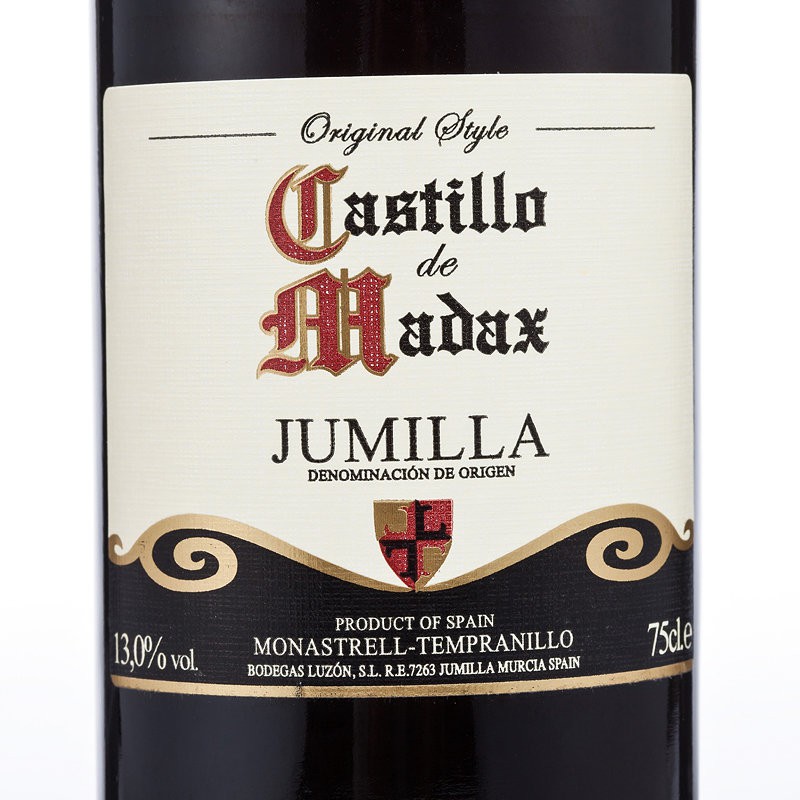
Aging Time Classifications
Spain has strict classification standards for wine aging time, and this information is usually clearly marked on labels:
| Classification | Aging Requirements | Characteristics |
|---|
| Joven | No aging requirements | Fruity, suitable for young consumption |
| Crianza | At least 24 months, including 6 months in oak barrels | Balanced fruit and oak flavors |
| Reserva | At least 36 months, including 12 months in oak barrels | High complexity, suitable for long-term storage |
| Gran Reserva | At least 60 months, including 18 months in oak barrels | Top quality, high collectible value |
Optimal Drinking Period Labels
Many Spanish wineries mark “Consumir preferentemente antes de” on their labels. This date is not a hard rule, but rather the winery’s suggested optimal tasting window. Generally, Crianza-level red wines are best consumed within 5-8 years after release, while Gran Reserva can be stored for 15 years or even longer.
Impact of Storage Conditions on Time
Proper storage conditions extend wine’s drinking period. My friend in Seville has an underground wine cellar that maintains a constant temperature of 12-15°C and humidity around 70%. He says under these conditions, even wines beyond their suggested drinking period can still maintain good condition. However, for us regular consumers, storing wine in a cool, dark place while avoiding drastic temperature changes is sufficient, especially when understanding Spanish wine grades.
By understanding these time labels through Spanish wine certification, we can better choose Spanish wines that suit our needs. Whether it’s ready-to-drink young wines or collectible aged vintages, every bottle has its optimal tasting moment.
