Having lived in Spain for several years, I’ve found that many friends enjoy buying local wines, but sometimes encounter fakes or poor-quality bottles. As a wine enthusiast, I’ve compiled some practical identification methods that I hope will help everyone.
Wine Labels Are Key Information
Authentic Spanish wine labels contain very standardized information. First, check for regional designations like Rioja, Ribera del Duero, Priorat and other renowned regions that have strict quality controls. The label must display DO or DOCa certification marks. Additionally, alcohol content, vintage year, and winemaker information should be clearly visible. If the label is blurry or incomplete, you can basically determine there’s a problem.
Packaging Details Cannot Be Ignored
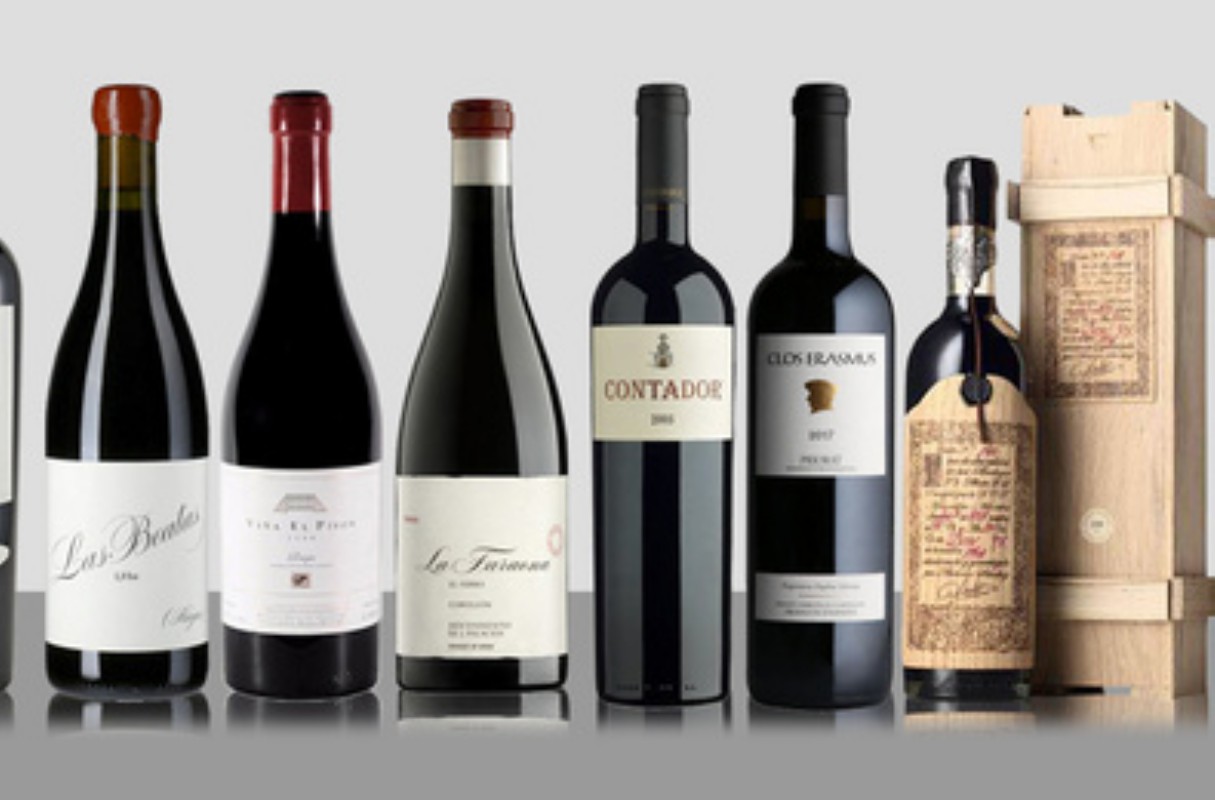
Genuine Spanish wines are very particular about packaging. The bottle glass is thick and heavy to the touch, with a pronounced punt at the bottom. The cork is high quality without any off-odors or damage. Pay special attention to authentic wines having completely intact bottle seals without damage or signs of resealing. If you discover rough packaging or lightweight bottles, then be cautious.
The Relationship Between Price and Quality
Spanish wine prices vary greatly, but there are certain patterns to follow. Below is a price reference table I’ve compiled:
| Price Range | Quality Level | Suitable Occasions |
|---|
| 3-8€ | Daily table wine | Family dinners |
| 8-20€ | Mid-range quality | Friend gatherings |
| 20-50€ | Premium selections | Special celebrations |
| 50€+ | Collector grade | Important occasions |
If you encounter “brand name” wines priced significantly below market rates, there’s basically always a problem. The saying “you get what you pay for” is especially applicable in the wine market.
Purchase Channels Are Important
I recommend everyone choose regular supermarkets, professional wine shops, or buy directly from wineries. Large chain supermarkets like El Corte Inglés and Carrefour generally guarantee their wines. For online purchases, choose reputable merchants and carefully read return policies. Never buy wine from small vendors or questionable sources.
Finally, I’d like to remind everyone that wine appreciation requires time and accumulated experience. Try different regions and vintages, and you’ll gradually develop a keen palate. I hope these tips help everyone purchase their desired authentic Spanish wines, including recommendations from Spanish wine discounts and guides for authentic Spanish imported wines!
