As a Chinese person who has lived in Madrid for 3 years, friends often ask me about the actual quality of Spanish red wines. Today I’ll share my real experiences and observations.
Clear Regional Advantages
Spain has numerous premium wine regions, with Rioja and Ribera del Duero being the most renowned. These regions have climate conditions perfectly suited for grape cultivation, with significant day-night temperature variations and abundant sunshine. I’ve visited the Rioja region several times, where the wineries have deep historical roots, some dating back to the 19th century. Local winemakers are extremely meticulous about grape cultivation and winemaking processes, establishing the foundation for high-quality red wines.
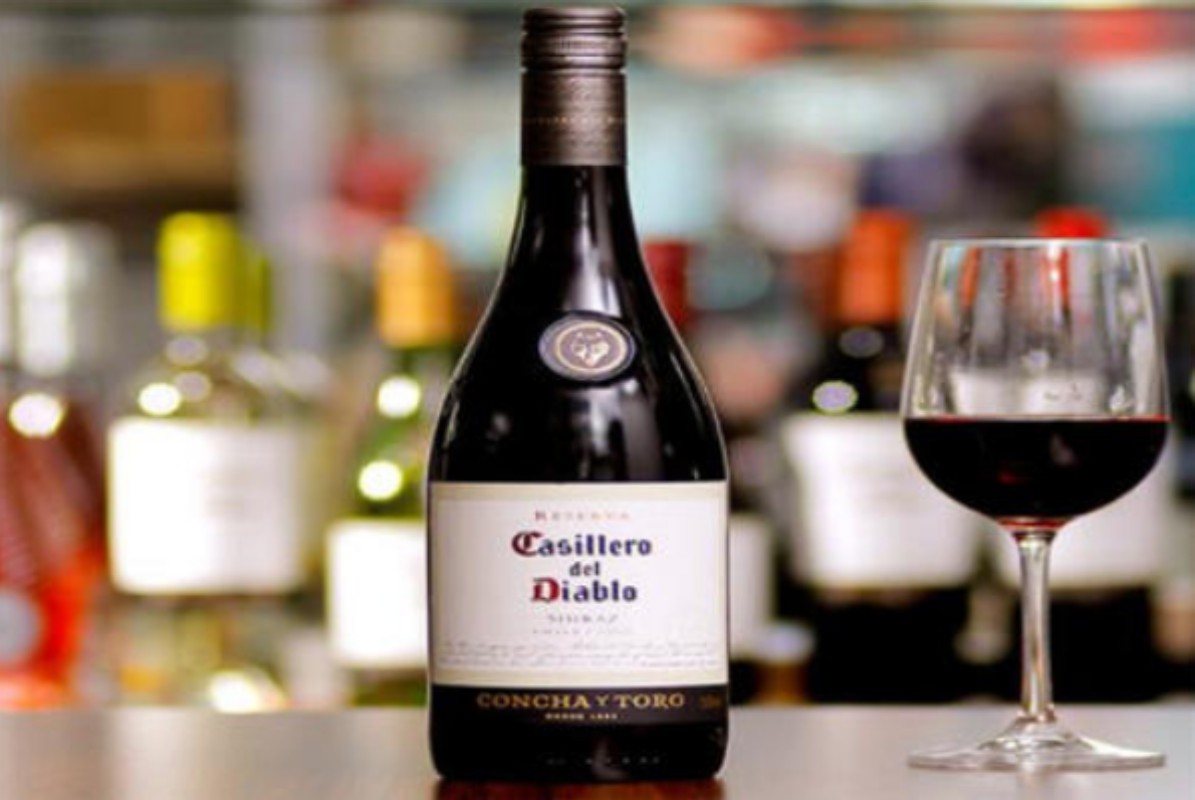
Regarding winemaking techniques, Spanish red wines feature a combination of traditional and modern methods. Many wineries still use oak barrels for aging, which imparts unique flavor complexity to the wines. Having tasted numerous local wines, I’ve found that Spanish red wines generally possess rich fruit aromas, moderate tannins, and excellent aging potential.
Comprehensive Quality Classification System
Spain maintains a strict wine classification system:
| Grade | Spanish Term | Aging Requirements | Quality Characteristics |
|---|
| Young Wine | Joven | No aging required | Rich fruit flavors, best enjoyed young |
| Aged Wine | Crianza | At least 2 years | Well-balanced with certain complexity |
| Reserve Wine | Reserva | At least 3 years | Complete structure, strong aging potential |
| Grand Reserve | Gran Reserva | At least 5 years | Premium quality, collectible value |
This classification system allows consumers to clearly understand each wine’s quality level. I personally prefer Reserva-level red wines, which offer excellent value for money.
Outstanding Value Proposition
Compared to equivalent quality red wines from Bordeaux, France or Tuscany, Italy, Spanish red wines are much more affordable. At local supermarkets, a decent quality Crianza-level red wine typically costs between 8-15 euros, while French wines of similar quality might cost 西班牙红酒度数 twice as much. This price advantage makes Spanish red wines highly competitive in international markets.
There are some aspects of Spanish red wines worth noting. Some regional wines tend to have rather limited uniform styles, lacking sufficient distinctive characteristics. Additionally, some young wines indeed don’t match the complexity of top-tier wines from traditional European regions.
Overall, the quality of Spanish red wines is commendable, particularly excelling in the mid to high-end price ranges. If you’re seeking high-value European red wines, Spain is definitely an excellent choice.
