As a wine enthusiast who has lived in Madrid for seven years, I want to share my in-depth experience with Spain’s two major red wine regions. Over recent months, I’ve systematically tasted multiple premium wines from both Rioja and Ribera del Duero, discovering that these two regions each possess distinct characteristics worth exploring in detail.
Regional Background and Terroir Differences
Rioja, as one of Spain’s oldest DO regions, is located in the northern Ebro River valley with a relatively mild and humid climate. Meanwhile, Ribera del Duero sits in the Castilla y León region at higher altitudes with greater diurnal temperature variations. These geographical differences directly influence the distinctive wine styles of both regions.
Grape Varieties and Winemaking Techniques Comparison
Both regions primarily feature Tempranillo, but express it quite differently. Rioja’s Tempranillo tends to be more elegant and refined, often blended with Garnacha and other varieties, emphasizing complex aromas from oak barrel aging. Ribera del Duero’s Tempranillo is more intense and powerful, frequently produced as single-varietal wines that highlight the purity of fruit flavors.
| Regional Features | Rioja | Ribera del Duero |
|---|
| Main Varieties | Tempranillo + Garnacha blends | Primarily Tempranillo |
| Wine Style | Elegant and balanced | Rich and powerful |
| Aging Characteristics | Traditional American oak | Modern French oak |
| Price Range | €15-80 | €20-120 |
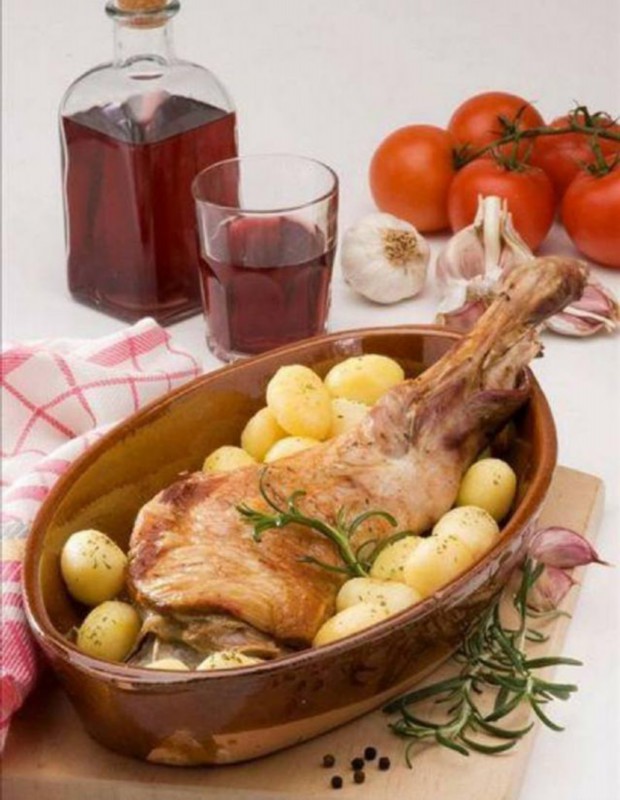
From my personal tasting experience, Rioja wines pair better with traditional Spanish cuisine, such as roasted lamb, Iberian ham, and dishes like red wine braised oxtail. Their moderate acidity and smooth tannins complement rather than overpower food flavors. Ribera del Duero reds are better suited for solo enjoyment or pairing with robust grilled meats, as their intense fruit character and powerful body effectively balance rich, fatty dishes.
Value and Market Performance
Regarding value, I’ve found excellent options in both regions. Rioja’s entry-level wines typically range from €15-25 and already showcase regional characteristics well. Ribera del Duero, being relatively less famous, often offers comparable quality at more affordable prices. I particularly recommend exploring family winery productions, which often deliver unexpected pleasant surprises.
After this extensive tasting period, I personally believe both regions excel in their own ways, and the choice depends more on individual preferences and drinking occasions. If you favor traditional, elegant styles, Rioja wines are definitely the way to go. If you prefer modern, intense expressions, Ribera del Duero would be the better choice. I hope these insights prove helpful, and I welcome discussions about your own wine tasting experiences.
