Spanish Wine vs Australian Wine: A Captivating Showdown Between Two Major Regions
As a wine enthusiast who has lived in Spain for many years, I’m often asked by friends which is better - Spanish wine or Australian wine. Honestly, there’s no standard answer to this question, as both regions have their unique charms and characteristics. Today I’ll share some of my insights with you.
Regional Climate and Geographical Advantages Comparison
Spain, as a traditional European wine region, boasts an ideal Mediterranean climate. From the northern Rioja to southern Andalusia, different microclimates have created a rich diversity of grape varieties. While Australia’s wine industry started relatively late, it has risen to world-class status in just a few decades through modern winemaking techniques and unique geographical conditions.
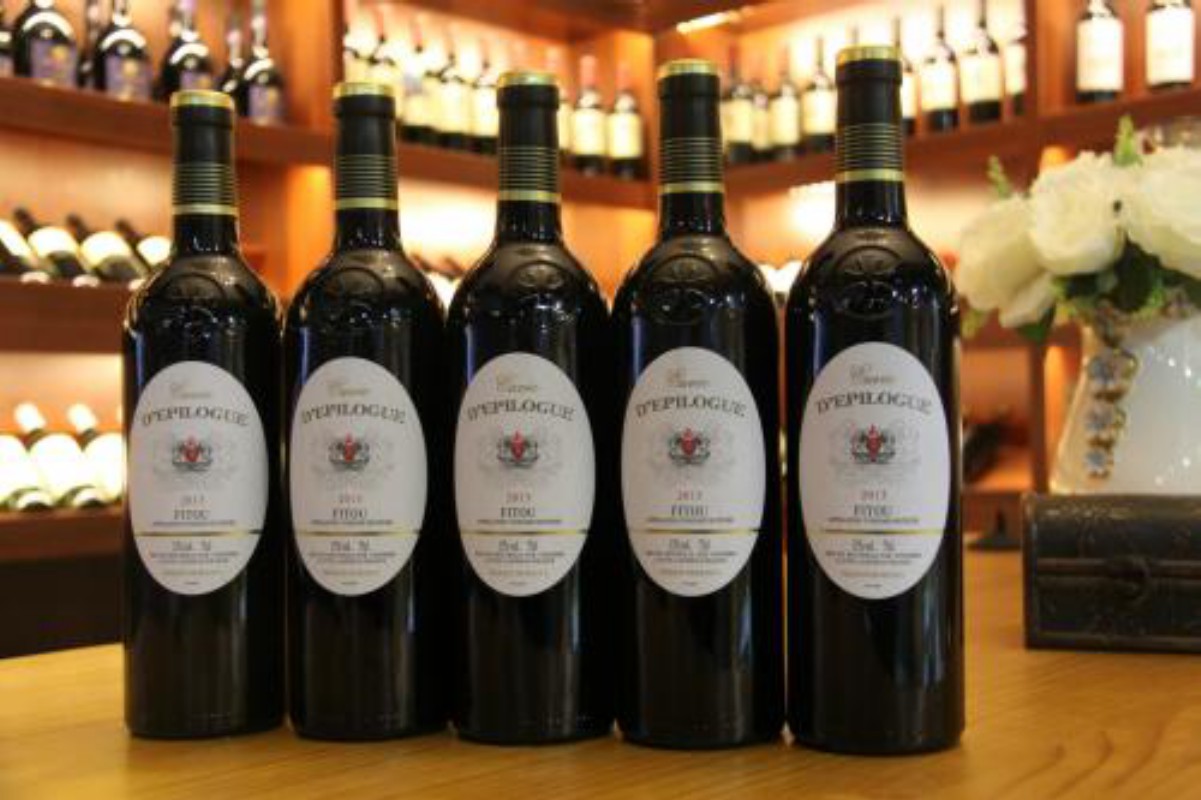
Particularly noteworthy is that Spanish wines typically possess more complex layered characteristics, thanks to their long winemaking tradition and strict regional classification systems. Australian wines, on the other hand, are renowned for their intense fruit flavors and full-bodied taste, with modern winemaking processes allowing the natural characteristics of grapes to shine through fully.
Grape Varieties and Flavor Profiles
The two regions each focus on different grape varieties. Spain primarily uses Tempranillo, producing red wines that typically feature rich spice notes and moderate tannins. Australia is world-famous for Shiraz, offering more intense and robust flavors. For those interested in exploring the nuances between Australian Spanish wine styles, this comparison becomes even more fascinating.
| Region | Main Varieties | Taste Characteristics | Food Pairing |
|---|
| Spain | Tempranillo, Garnacha | Rich spice notes, moderate tannins | Spanish ham, cheese |
| Australia | Shiraz, Cabernet Sauvignon | Intense fruit flavors, full-bodied | Grilled meat, bold dishes |
Price and Value Analysis
From my local purchasing experience, Spanish wines have a relatively wide price range, from daily table wines costing a few euros to premium bottles worth hundreds of euros. Australian wines in the Spanish market are usually positioned in the mid-to-high-end segment, typically priced 20-30% higher than equivalent Spanish domestic wines.
However, it’s worth noting that Australian wines offer higher quality consistency, rarely experiencing quality fluctuations. Spanish wines, due to their numerous regions, may show noticeable differences between vintages and wineries, requiring consumers to have some purchasing experience.
Personal Recommendations and Summary
If you prefer traditional European-style wines that emphasize complexity and layered flavors, Spanish wines are definitely the way to go. Particularly aged red wines from the Rioja region possess an indescribable elegant character that’s truly captivating. If you favor New World styles with intense fruit flavors and direct taste profiles, Australian wines will better suit your palate.
Both regions’ wines have their distinct characteristics and advantages. The choice mainly depends on personal preference. I suggest starting with reasonably priced entry-level wines to gradually develop your tasting abilities. After all, the most important aspect of drinking wine is enjoying those pleasant moments, isn’t it?
