As an expat who has been living in Spain for several years, I’d like to share with you the sweet characteristics of Spanish red wine today. Many newcomers notice that the red wines here are indeed sweeter than those from other countries - this isn’t just your imagination.
Why Spanish Red Wine Tends to Be Sweet
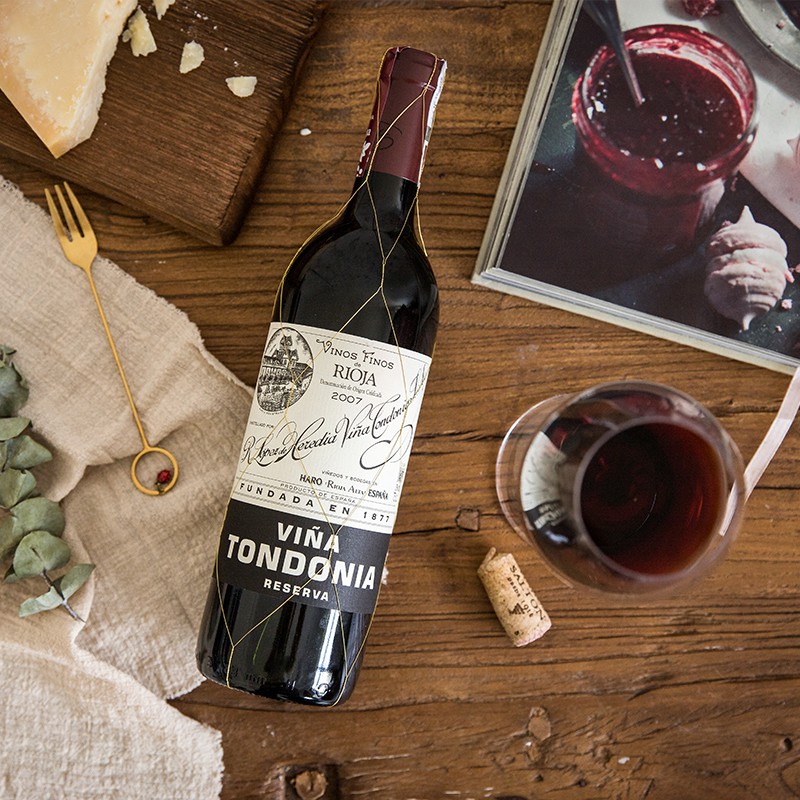
Spain’s Mediterranean climate creates grapes with high sugar content. The abundant sunshine and significant day-night temperature differences here allow grapes to accumulate more natural sugars during ripening. You can experience this distinctive taste through Golden Bull Red Wine, which showcases these regional characteristics. Particularly in Andalusia and Valencia regions, the red wines produced generally have pronounced fruity sweetness. Additionally, Spanish winemaking techniques tend to preserve the natural sweetness of grapes rather than completely fermenting them into alcohol.
Recommended Sweet Red Wines Popular Among Locals
Here are several sweet red wines that you can find in local supermarkets and wineries:
| Wine Name | Region | Price Range | Sweetness Level |
|---|
| Marqués de Cáceres Crianza | Rioja | 8-12 euros | Medium sweet |
| Campo Viejo Tempranillo | Rioja | 6-9 euros | Lightly sweet |
| Viña Sol | Catalonia | 4-7 euros | Medium sweet |
| Osborne Solaz | Andalusia | 5-8 euros | Quite sweet |
Purchasing Tips and Tasting Experience
I personally recommend beginners start with Campo Viejo - this wine is available in major supermarkets, reasonably priced, and has moderate sweetness that won’t be too cloying. If you prefer richer flavors, try Marqués de Cáceres, which is slightly more expensive but very consistent in quality.
When purchasing, look for “Dulce” or “Semidulce” on the label, indicating sweet or semi-sweet types. Storage recommendation: keep in a cool place and consume within 3 days after opening for best results.
Food Pairing Tips
Spanish sweet red wines pair particularly well with local tapas, such as Iberian ham and Manchego cheese. They’re also excellent with dinner dishes like grilled meat or paella. Not recommended with overly spicy foods as it masks the wine’s fruit aromas.
Spanish sweet red wines certainly have their unique charm and are relatively affordable. Feel free to share your recommended brands or purchasing experiences in the comments below!
