Spanish Red Wine Classification Guide
As the world’s third-largest wine producer, Spain maintains a strict and comprehensive red wine classification system. For those living in Spain, understanding this grading system not only helps us select the perfect wine but also demonstrates our deep appreciation of local culture during social gatherings. Today, let’s explore in detail Spain’s four main wine classification levels.
Table Wine Level - Vino de Mesa
Table wine represents the most basic level in Spanish wine classification, typically affordable and suitable for daily consumption. This category has no strict regional restrictions, allowing winemakers to freely blend grapes from different areas. While it’s the lowest grade, this doesn’t mean poor quality - many table wines offer excellent taste and value. In supermarkets, you can find quite decent table wines for 5-10 euros, perfect for everyday meals or casual gatherings with friends.
Crianza Level
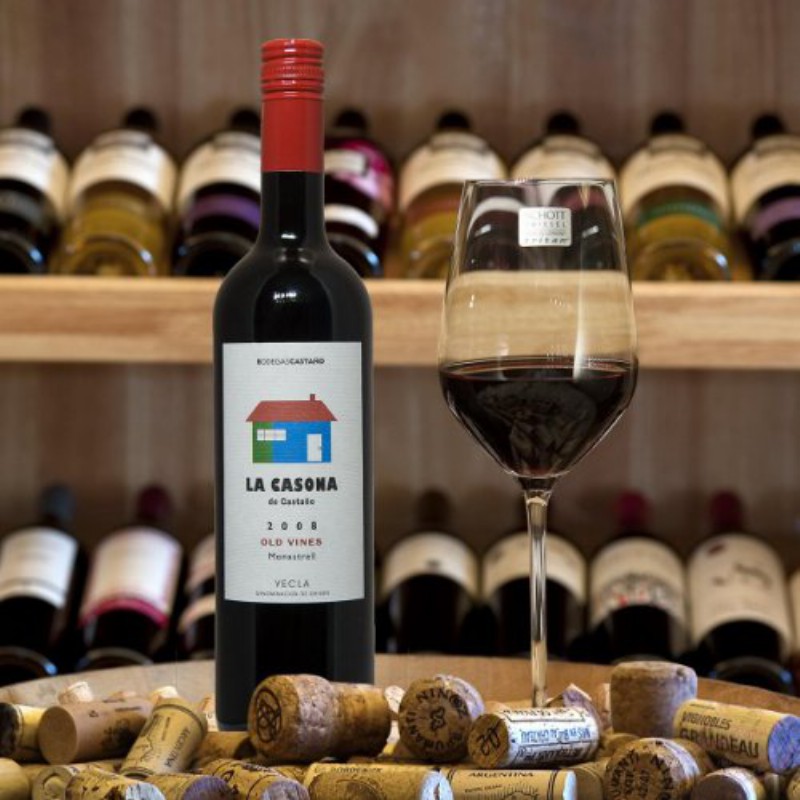
Crianza red wines represent the second tier in Spain’s classification system, requiring at least two years of aging at the winery, with a minimum of six months in oak barrels. This level begins to showcase the complex flavors imparted by oak aging, with softer tannins and an initial balance between fruit and oak aromas. Prices typically range from 15-25 euros, making them a popular choice for Spanish family dinners.
Distinguishing Between Reserva and Gran Reserva
| Grade | Aging Time | Oak Barrel Time | Price Range | Characteristics |
|---|
| Reserva | 3 years | At least 1 year | 25-50 euros | Complex balance |
| Gran Reserva | 5 years | At least 2 years | 50+ euros | Premium quality |
Reserva wines require three years of winery aging, with at least one year in oak barrels. This grade offers considerable complexity and depth, perfect for pairing with grilled meats, cheeses, and other rich dishes. Gran Reserva represents the highest level of Spanish red wine, requiring five years of aging with two years in oak barrels. These wines are typically produced only in the finest vintages and possess exceptional aging potential with extremely complex flavor profiles.
Selection Tips and Practical Advice
When purchasing red wine in Spain, look for DO or DOCa labels, which indicate certified denomination of origin. For beginners exploring Spanish wine classification, starting with Crianza level is recommended - it offers complexity while remaining reasonably priced. For special occasions or gifts, Reserva level makes an excellent choice. As for Gran Reserva, save these for important holidays or celebrations, allowing proper decanting time to fully appreciate their unique character.
With this classification knowledge, you’ll feel more confident when facing Spain’s diverse wine selection. Remember, the most expensive isn’t necessarily the most suitable - choosing the appropriate grade based on the occasion and personal preference allows you to truly enjoy the essence of Spanish wine culture.
