During a recent visit to a winery in Madrid, I witnessed several precious Rioja red wine bottles explode, which made me deeply realize the importance of understanding the causes of wine explosions. As a wine enthusiast who has lived in Spain for many years, I want to share some insights on this topic.
Temperature Changes Are the Main Culprit
The most common cause of red wine explosions is dramatic temperature changes. During Spain’s hot summers, if red wine is exposed to high-temperature environments for extended periods, the wine liquid will expand and internal pressure will increase sharply. When temperatures exceed 25 degrees Celsius, the volume of wine liquid will expand significantly. If the bottle sealing is inadequate or there’s insufficient space inside the bottle, explosions can easily occur. This is especially common in the Andalusia region, where summer temperatures frequently exceed 40 degrees.
Storage conditions directly affect wine stability. The ideal storage temperature should be maintained between 12-16 degrees Celsius, with humidity controlled around 70%. Many Spanish households lack professional cellar equipment, often storing red wine in ordinary storage rooms or near kitchens, where temperature fluctuations are significant, creating hidden dangers for wine explosions.
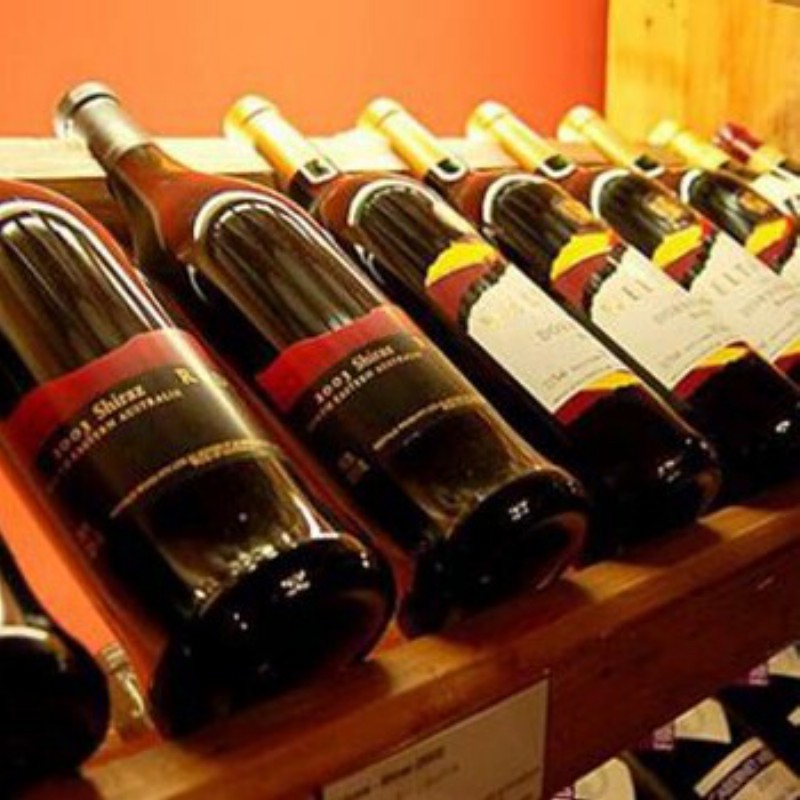
Bottle Quality and Vintage Factors
Different vintages and brands of red wine bottles vary in quality, which is also an important factor affecting explosion probability. The following table shows the relationship between common Spanish wine regions and explosion risks:
| Region | Explosion Risk Level | Main Causes |
|---|
| Rioja | Low | Traditional craftsmanship, better bottle quality |
| Toro | Medium | High alcohol content, greater pressure |
| Priorat | Medium | Full-bodied wines, prone to expansion |
| La Mancha | High | Cost control, average bottle quality |
Older vintage wines require special attention because cork deteriorates over time, reducing sealing effectiveness. Additionally, wine bottle glass may develop microscopic cracks due to long-term temperature changes, and these invisible damages are often the trigger for explosions.
Impact of Transportation and Handling Processes
When transporting red wine within Spain, especially during summer, vehicle interior temperatures are often very high. Many logistics companies lack professional temperature control equipment, causing wine to endure high-temperature ordeals during transport. Furthermore, vibrations and impacts during handling also increase explosion risks, particularly for bottles with existing minor defects.
From my personal experience, it’s best to choose reputable wine merchants when purchasing red wine, as they usually have better storage and transportation conditions. If buying online, be sure to inquire about specific packaging and transportation measures, especially during hot months.
Prevention Measures and Recommendations
To effectively prevent red wine explosions, first ensure storage environment stability. If you don’t have a professional cellar at home, consider purchasing a small constant-temperature wine cabinet or choosing basements and other areas with relatively stable temperatures. Avoid placing red wine near heating, kitchens, or areas with direct sunlight.
Regular inspection of bottle conditions is also important, particularly checking for signs of cork expansion or leakage. If abnormalities are found, wine should be promptly moved to a safer environment or considered for immediate consumption. For precious collectible wines, consider purchasing professional insurance to guard against potential accidental losses. Understanding wine glass staining phenomenon and wine explosion causes can help wine enthusiasts better protect their collections.
