Recently, I’ve noticed an increasing variety of Spanish red wines in supermarkets, with alcohol content ranging significantly from 12% to 15%. As a wine enthusiast who has lived in Spain for many years, I’d like to share some knowledge about Spanish red wine alcohol content.
Basic Standards for Spanish Red Wine Alcohol Content
Spain, as the world’s third-largest wine producer, has strict regulatory requirements for alcohol content. According to EU and Spanish legislation, red wine alcohol content typically ranges between 11.5% and 15%, with most quality red wines concentrated in the 12.5% to 14.5% range. It’s important to note that wine labels allow for a ±0.5% margin of error in stated alcohol percentage.
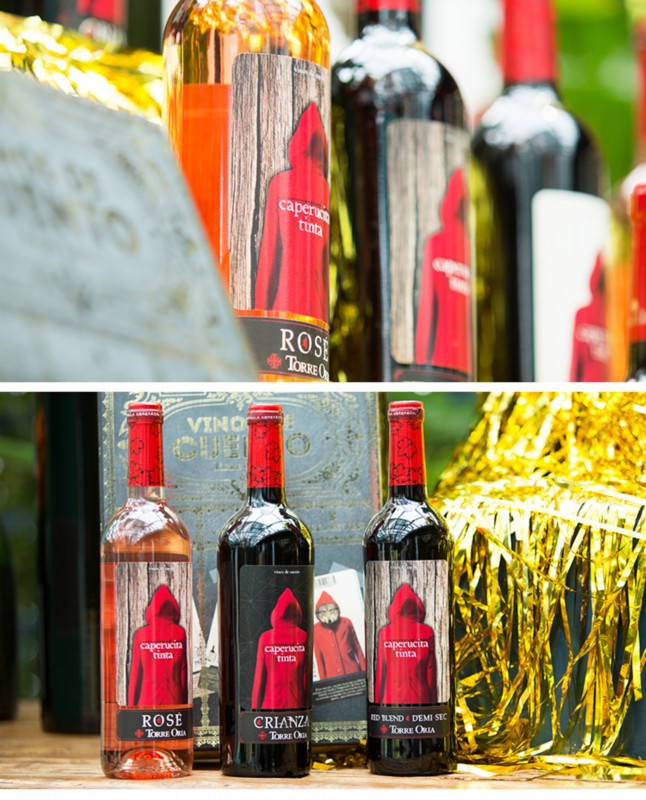
Different regions show notable variations in alcohol content. Northern regions like Rioja and Ribera del Duero produce red wines with relatively lower alcohol content, typically between 12.5%-13.5%. Meanwhile, southern regions such as Andalusia and La Mancha, due to warmer climates that allow grapes to accumulate more sugars, often achieve alcohol levels of 14%-15%. For those interested in exploring [无酒精红酒], there are also non-alcoholic options gaining popularity in Spain.
Regional Alcohol Content Comparison
| Region | Average Alcohol Content | Representative Varieties |
|---|
| Rioja | 12.5%-13.5% | Tempranillo |
| Ribera del Duero | 13%-14% | Tempranillo |
| Priorat | 14%-15% | Garnacha, Cariñena |
| La Mancha | 13.5%-14.5% | Tempranillo, Garnacha |
Key Factors Influencing Alcohol Content
Climate conditions are the primary factor determining alcohol content. Spain’s hot southern climate allows grapes to accumulate more sugars, naturally producing higher alcohol levels after fermentation. In contrast, the cooler northern climate conditions result in slower grape ripening and limited sugar accumulation, leading to relatively lower alcohol content.
Grape variety selection is equally important. Tempranillo, Spain’s most representative red grape variety, typically produces red wines with moderate alcohol content. Meanwhile, varieties like Garnacha and Monastrell in warm climates tend to produce wines with higher alcohol content. Winemaking techniques, including fermentation temperature control and yeast strain selection, also influence final alcohol levels.
How to Choose Appropriate Alcohol Content
For daily consumption, I personally recommend selecting red wines with alcohol content between 12.5%-13.5%. Wines in this range typically aren’t overly heavy, offering more balanced flavors suitable for food pairing. If you prefer rich, full-bodied characteristics, you might choose wines with 14%-15% alcohol content, particularly those from Priorat or Jumilla regions.
It’s crucial to note that high alcohol content doesn’t equal high quality. Many internationally recognized Spanish premium wineries, such as Vega Sicilia and Alvaro Palacios, are renowned for producing wines with moderate alcohol content but complex flavors. The key is finding the right balance between alcohol level, acidity, tannins, and fruit flavors.
