Recently at a winery tasting event in Madrid, I had the pleasure of sampling several Amaya Spanish red wines, which impressed me greatly. I’d like to share the characteristics of this brand and my tasting insights with you. As a wine enthusiast who has lived in Spain for several years, I believe Amaya truly represents the excellent tradition of Spanish red wines.
Regional Background of Amaya Red Wines
Amaya red wines primarily originate from several renowned Spanish regions, with vineyards in Castilla-La Mancha and Extremadura being particularly outstanding. These regions benefit from Mediterranean climate advantages, with abundant sunshine and significant day-night temperature variations, providing ideal conditions for grape maturation. Especially the hot summers and mild winters allow grapes to accumulate sufficient sugars and rich flavor compounds.
Tasting Notes and Flavor Analysis
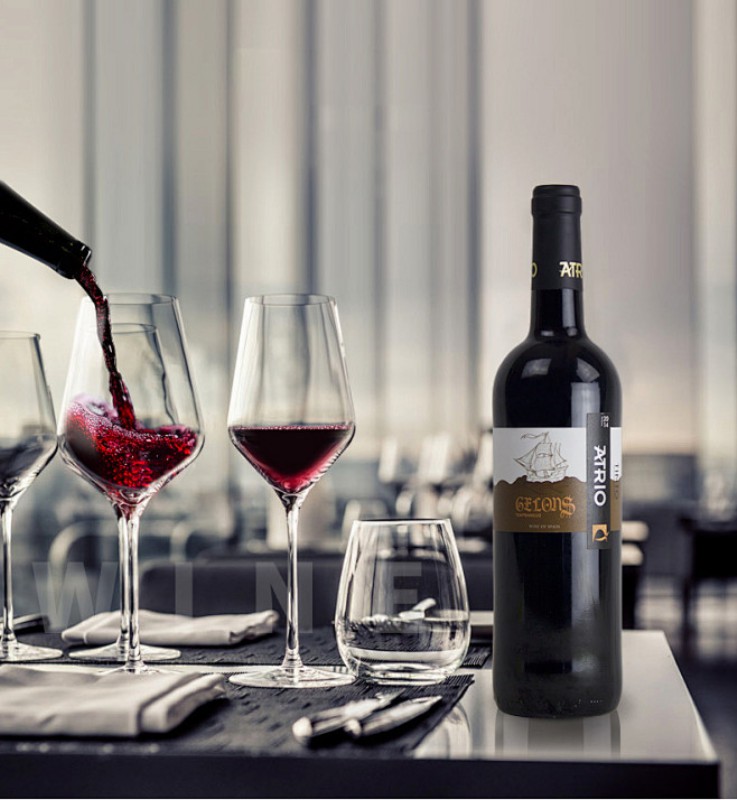
Among the several Amaya red wines I tasted, the most impressive was their Tempranillo blend. The wine displays a deep ruby red color with visible legs when swirled in the glass. The aromatic complexity is remarkably rich, initially presenting blackberry and cherry fruit notes, followed by vanilla, toasted oak, and subtle tobacco nuances. On the palate, the tannin structure is well-balanced with moderate acidity and a lingering finish with delicate spice notes.
| Wine Type | Recommended Vintage | Price Range (€) | Food Pairing |
|---|
| Classic Tempranillo | 2019-2021 | 8-15 | Grilled meats, cheese |
| Reserve Blend | 2017-2019 | 15-25 | Braised dishes, game |
| Limited Edition Old Vine | 2015-2017 | 25-40 | Gourmet cuisine |
Purchase Recommendations and Value Analysis
From a value perspective, Amaya red wines perform exceptionally well among Spanish wines in the same price range. Particularly their entry-level products, typically priced around 10 euros, already surpass many French wines at similar price points in quality. For those new to Spanish red wines, I recommend starting with their classic series.
In Madrid, you can find Amaya products at El Corte Inglés and specialized wine merchants. For online purchases, Decantalo and Uvinum platforms maintain comprehensive stock. I’ve heard of some counterfeit products before, so I recommend purchasing through official channels to avoid fake wines that could impact your tasting experience, just like with Jumilla red wine selections.
Amaya red wines are definitely worth recommending to friends who love Spanish wines. Whether for daily consumption or collecting, they make excellent choices. I hope my sharing helps everyone, and I welcome other wine enthusiasts to share their tasting experiences!
