Spanish Red Wine Market Sales Analysis
As a wine enthusiast who has lived in Spain for several years, I’ve been closely following changes in the local red wine market. Recently, I came across some interesting sales data that I’d like to share regarding Spain’s best-selling red wine brands and regions.
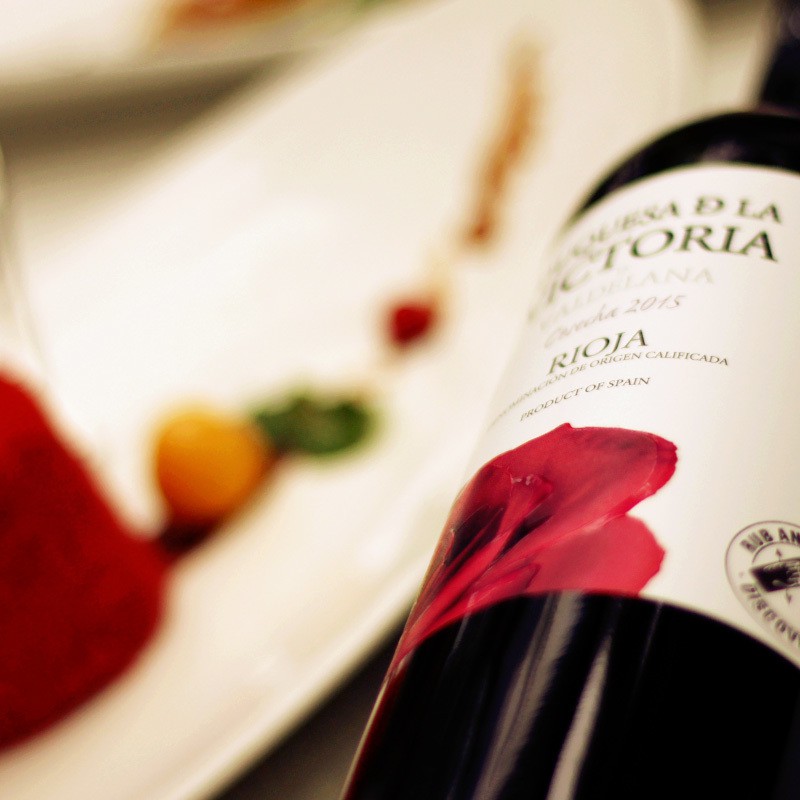
Rioja Region Still Leading
According to statistics from the first half of this year, Rioja region red wines continue to maintain first place in domestic Spanish sales. This region’s wines are beloved by consumers for their classic oak barrel aging style, particularly in major cities like Madrid and Barcelona. Established wineries like Marqués de Riscal and CVNE each achieve annual sales exceeding 2 million bottles per individual product.
Rioja’s success lies not only in tradition but also in affordability. A quality Rioja red wine typically costs between 8-15 euros, a price point that’s completely accessible for ordinary Spanish families when considering Spanish red wine sales performance.
Rise of Emerging Regions
The Ribera del Duero region has experienced very rapid sales growth in recent years, becoming Rioja’s strongest competitor. This region’s wine style is more modern with intense fruit aromas, particularly appealing to younger consumers. Brands like Pesquera and Vega Sicilia perform exceptionally well in the premium market.
| Region | Annual Sales (Million Bottles) | Average Price (Euros) |
|---|
| Rioja | 45.2 | 12 |
| Ribera del Duero | 28.7 | 18 |
| Priorat | 8.3 | 25 |
Catalonia’s Priorat region, while having relatively smaller sales volumes, holds an important position in the premium market. Wines from this area are generally higher-priced but offer exceptional quality, primarily targeting wine collectors and upscale restaurants.
Changing Consumer Trends
From a sales channel perspective, traditional wine specialty stores remain the primary sales channel, accounting for approximately 40% of total sales. However, the share of supermarkets and large retail stores is growing rapidly, particularly chain supermarkets like Mercadona and Carrefour, whose wine sales have increased nearly 30% over the past two years.
The trend of online wine purchasing is also evident, especially post-pandemic, as more and more Spanish consumers choose to buy red wine online. Professional wine e-commerce platforms like Decantalo and Bodeboca have experienced very rapid business growth.
Spain’s red wine market exhibits characteristics of tradition coexisting with modernity, featuring both traditional powerhouse regions like Rioja and continuously emerging new regions. As consumers, we have more choices and can enjoy quality Spanish red wines at more reasonable prices.
