As the world’s third-largest wine producer, Spain boasts numerous globally renowned wine brands. Today I’d like to share my observations and insights about local wine brands from my years living in Spain, hoping to help everyone better understand Spanish wine culture.
Traditional Giants: Century-Old Brands’ Perseverance
When discussing Spain’s largest wine brands, Marqués de Riscal must be mentioned. This brand, founded in 1858, has over 160 years of history and is one of the oldest wineries in the Rioja region. Their wines are renowned for traditional craftsmanship, particularly the classic Reserva series, commonly found in local supermarkets with prices ranging from 15 to 50 euros.
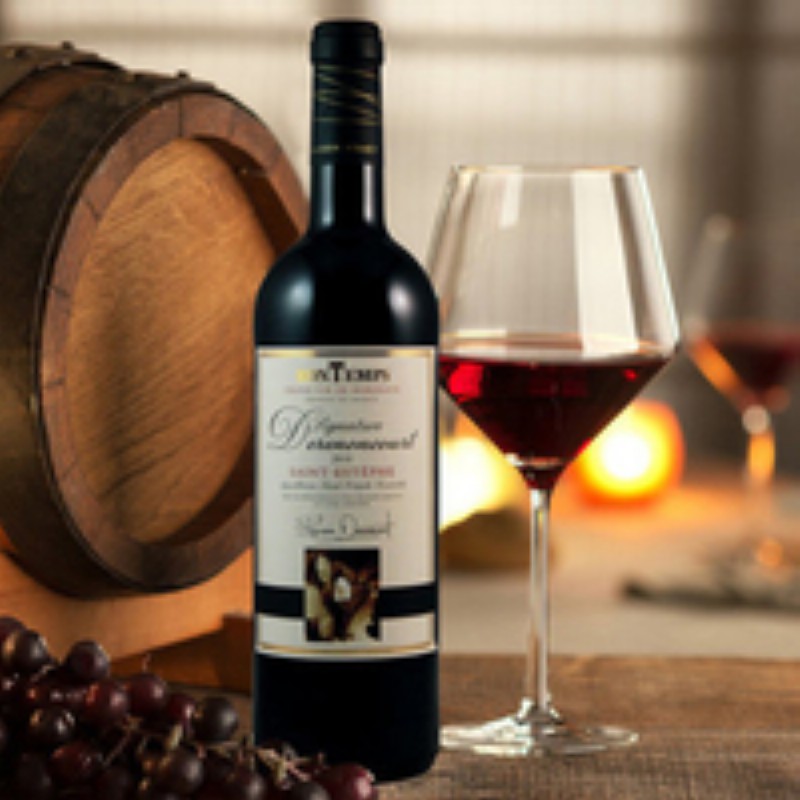
Another unmissable traditional brand is Codorníu, which, while famous for sparkling wine, also has massive red wine production. This winery, established in 1551, is arguably Spain’s oldest family winery, owning over 3,000 hectares of vineyards nationwide.
Rise of Modern Wine Conglomerates
In recent years, some large wine groups have become new giants in the Spanish wine industry through mergers and expansion. García Carrión Group represents this trend, owning multiple renowned brands like Don Simón and Marqués de Cáceres under their umbrella, with annual production exceeding 500 million liters, making them one of Europe’s largest wine producers.
J. García Carrión’s success lies in product line diversification, from daily table wines to premium reserves, covering the entire price range from 2 to 100 euros. Their supermarket channel dominance is extremely high, with virtually every Spanish household having tried their wines.
Major Brand Comparison Analysis
| Brand Name | Founded | Main Region | Price Range | Features |
|---|
| Marqués de Riscal | 1858 | Rioja | 15-50€ | Traditional craftsmanship, oak barrel aging |
| Codorníu | 1551 | Penedès | 8-30€ | Historic, diverse products |
| García Carrión | 1890 | Jumilla | 2-100€ | High volume, full price coverage |
| Faustino | 1861 | Rioja | 12-80€ | High internationalization |
Consumer Selection Recommendations
For those just discovering Spanish wines, I recommend starting with entry-level products from these major brands. For example, the Rioja region exploration Marqués de Cáceres Crianza series offers excellent value at around 12-15 euros, with balanced taste perfect for pairing with various Spanish dishes.
It’s worth noting that while these major brands have massive production volumes, their quality control remains strict, especially under DO system supervision, giving consumers complete confidence in their purchases.
Future Development Trends
Currently, Spanish wine brands face two major trends: first, ecological sustainability, with increasing numbers of major brands adopting organic cultivation and production processes; second, international expansion, particularly into Asian markets. These changes allow Spanish wines to maintain traditional characteristics while continuously adapting to modern consumer demands.
While Spain has numerous wine brands, those truly deserving the title of “largest” remain the traditional brands and modern groups with long history, massive production, and broad market coverage. As consumers, we’re fortunate to enjoy such rich choices in this Rioja wine kingdom.
