I’ve been considering investing in the wine industry recently, particularly focusing on the Spanish wine market. After several months of market research, I’ve discovered that the Spanish wine wholesale and sales field indeed has many intricacies, and I’d like to share some insights with you.
Major Regional Distributor Distribution
As the world’s third-largest wine producer, Spain has a quite mature distributor system. Distributors in the Rioja region are typically large-scale with comprehensive sales networks. Duero River Valley distributors focus more on premium routes, suitable for investors pursuing high-end markets. Catalonia region has numerous distributors with fierce competition but also abundant opportunities.
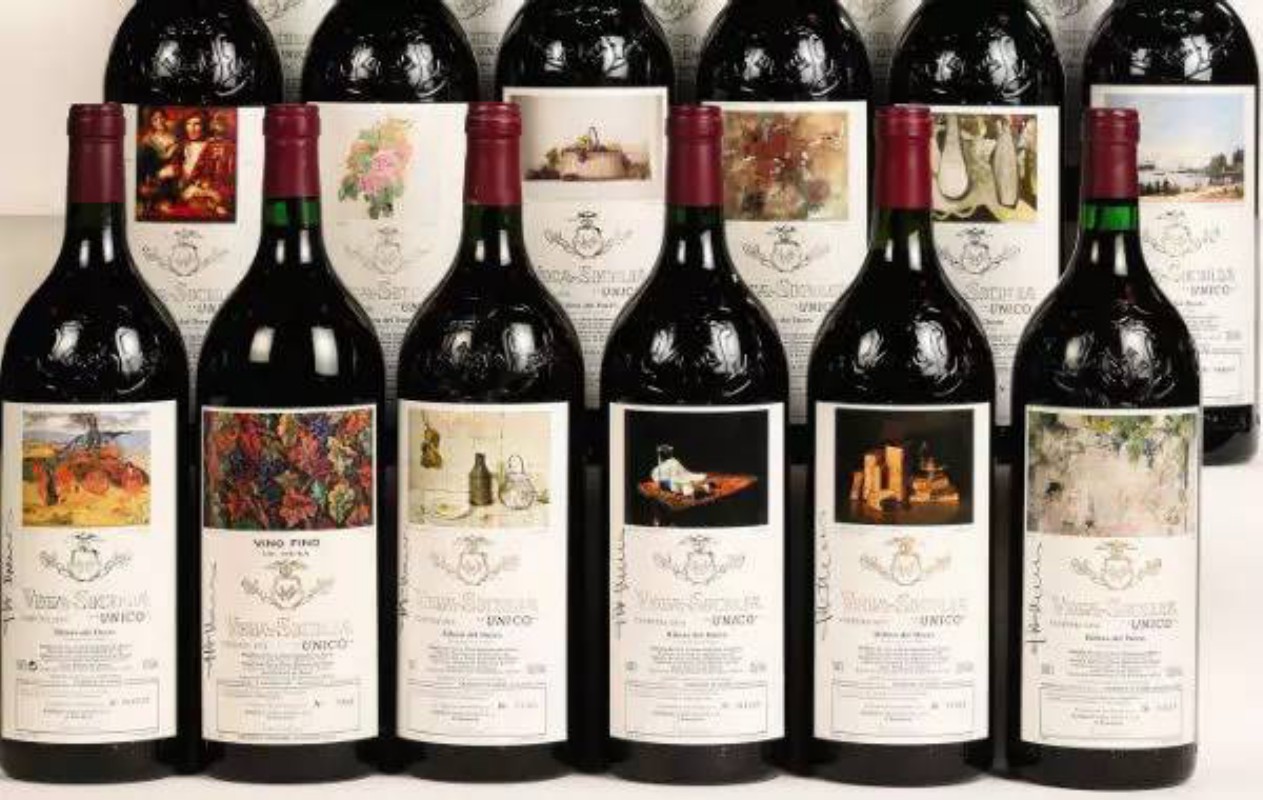
Different distributors have vastly different business models. Traditional family businesses usually have deep winery resources but may be relatively conservative in market promotion. Emerging commercial companies excel more in brand packaging and channel expansion, though price negotiation space may be limited.
Partnership Thresholds and Investment Requirements
Based on my understanding of Spanish wine sales volume, most Spanish wine wholesale companies have certain requirements for partners. Here’s a comparison of main partnership conditions:
| Distributor Type | Minimum Investment | Annual Sales Requirement | Regional Protection Policy |
|---|
| Large Groups | €500,000+ | 10,000 cases/year | Provincial Exclusivity |
| Medium Enterprises | €200,000+ | 3,000 cases/year | City-level Protection |
| Boutique Wine Merchants | €100,000+ | 1,000 cases/year | Limited Protection |
It’s worth noting that these figures aren’t absolute standards, as specifics depend on product lines and cooperation depth. Some companies value partners’ sales capabilities and channel resources more than pure financial strength.
Key Factors for Choosing Suitable Partners
After contacting over a dozen Spanish wine sales companies, I’ve summarized several key evaluation criteria. First is the richness of product portfolio - distributors with single regions carry higher risks, so it’s better to choose companies covering multiple regions. Second is the logistics and distribution system, especially cold chain transportation capabilities, which directly affects wine quality.
After-sales service is equally important, including product training, marketing support, and inventory management guidance. Some excellent distributors also provide wine sales director customized packaging design services, helping partners create differentiated competitive advantages. Finally, contract terms flexibility also needs key attention, particularly return policies and regional protection measures.
