A Rioja Town is Witnessing an Invisible War
Having spent several months in the Rioja region recently, I witnessed firsthand the changes taking place here. The competition between traditional family wineries and large-scale modern wine industry groups is becoming increasingly fierce, and the entire town can feel this tense atmosphere.
Collision Between Tradition and Modernity
Walking along the cobblestone streets of Haro, you’ll see century-old winery signs coexisting with brand-new modern brand logos. Traditional wineries insist on handcrafted production, emphasizing family-inherited techniques, while emerging wine companies rely on advanced equipment and large-scale production to reduce costs. The collision of these two models has brought excitement to this originally peaceful town.
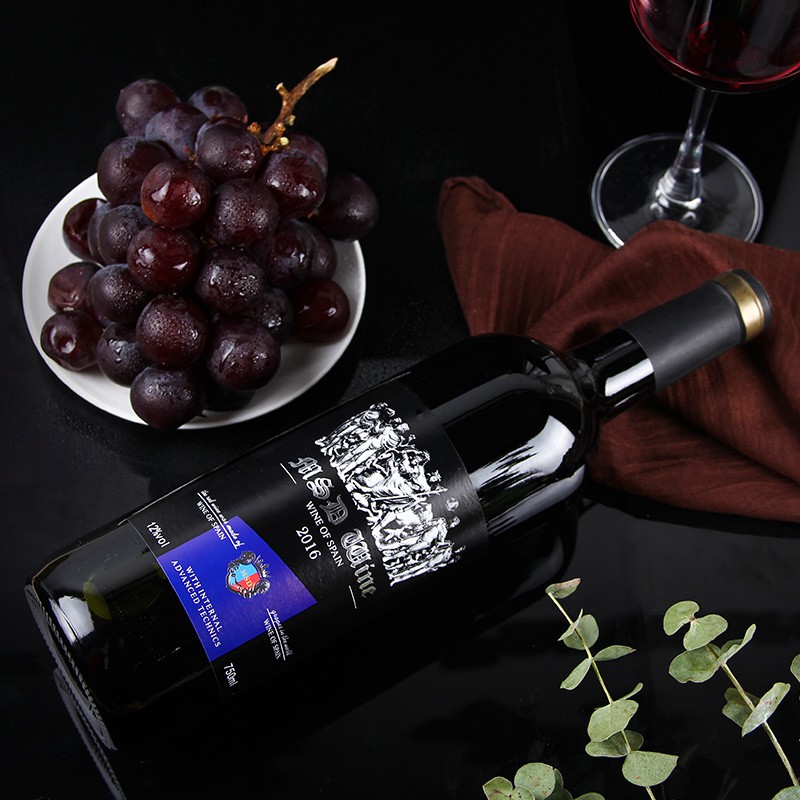
Battle for Market Share
According to data from the local wine merchants’ association, the market landscape has undergone significant changes over the past three years:
| Year | Traditional Wineries Market Share | Modern Wine Companies Market Share |
|---|
| 2022 | 65% | 35% |
| 2023 | 58% | 42% |
| 2024 | 52% | 48% |
This change has made many old winery owners feel concerned. The fourth-generation heir of the Martinez family told me they had to consider whether to change their business strategy, while also not wanting to lose the characteristics of their family winery.
Consumer Dilemma
Ordinary consumers face an interesting choice: whether to purchase relatively expensive but expertly crafted traditional wines, or choose more cost-effective modern products? The younger generation tends to try new brands, while the older generation trusts traditional wineries more. This generational difference is also reflected in sales data.
Dual Impact on Town Economy
This competition has had complex effects on the local economy. On one hand, the entry of modern wine companies has brought more job opportunities and tax revenue for Spanish wine regions; on the other hand, the survival pressure on traditional wineries may lead to the disappearance of some historically significant brands. The mayor stated at last month’s public meeting that the government is seeking balanced development solutions.
Regardless of the final outcome, this ‘wine war’ has become a microcosm of the Rioja region’s transformation period. As an ordinary observer, I hope that tradition and modernity can find a way to coexist, allowing this beautiful town to maintain its unique cultural charm while adapting to the development needs of the times.
