As a wine enthusiast who has lived in Spain for many years, I’ve noticed that many friends don’t fully understand the design and labeling of Spanish red wine bottle coding and wire cage details. Today I’d like to share some practical knowledge that I hope will help everyone better select and appreciate Spanish red wines.
Regional Characteristics in Bottle Shapes
Spanish red wine bottle designs are filled with rich Mediterranean charm. Rioja region red wines typically use traditional Bordeaux bottle shapes, with heavier bodies and prominent shoulders. Wines from the Ribera del Duero region prefer Burgundy bottle styles, featuring slender and elegant bodies. Wineries in Catalonia like to add unique decorative elements to the bottle neck, reflecting the creative inspiration of local artists.
Key Points for Label Information Interpretation
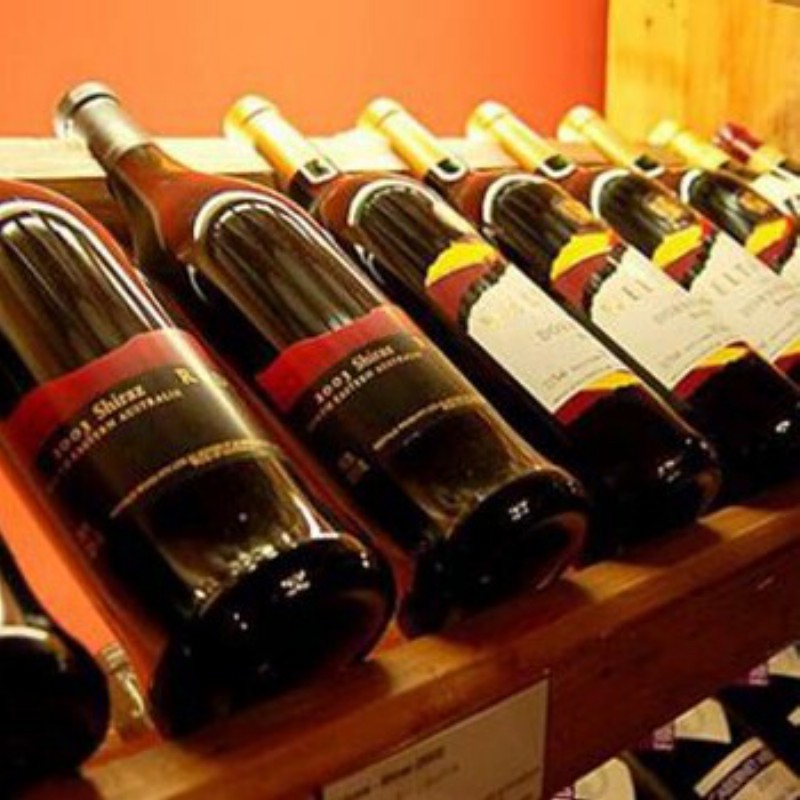
Spanish red wine labels contain quite rich information, and mastering this information is very helpful for wine selection. Most important is the regional designation, with markings like “DO Rioja” and “DO Ribera del Duero” indicating that the wine has received controlled designation of origin certification. Vintage information is usually prominently displayed on the label, while alcohol content is noted on the back or side of the bottle.
| Label Type | Meaning |
|---|
| DO | Denominación de Origen (Controlled Designation of Origin) |
| DOC/DOCa | Qualified Controlled Designation of Origin |
| Reserva | Reserve Grade |
| Gran Reserva | Grand Reserve |
Bottle Material and Craftsmanship Details
Quality Spanish red wines are very particular about bottle construction. Regular glass bottles can no longer meet the demands of premium wines, so most renowned wineries now use dark, thick glass bottles that effectively block UV rays from damaging the wine. The punt design at the bottle bottom is not only aesthetically pleasing but also enhances bottle stability and facilitates sediment settling. Some limited edition wines even use hand-blown glass bottles, making each one a unique work of art.
Importance of Closure Details
The bottle closure method also reflects the winery’s pursuit of quality. Traditional natural cork remains the mainstream choice, typically ranging from 38-54mm in length. Synthetic corks are increasingly used in mid-range wines, while screw caps are becoming more common in young, easy-drinking red wines. Capsule designs often incorporate the winery’s signature elements, becoming an important component of brand identification.
Purchase Recommendations and Practical Tips
When selecting Spanish red wines, besides paying attention to label information, the overall texture of the bottle is also an important reference. Bottles with moderate weight, high glass transparency, and no obvious bubbles or scratches typically guarantee better quality. Additionally, observe the wine’s condition in the bottle - quality red wine should be clear and bright, without suspended particles or abnormal sediment. When purchasing, I recommend choosing professional wine merchants or retailers with good storage conditions to ensure quality throughout the entire process from production to consumption.
