Recently, during a visit to a winery in Madrid, I discovered this impressive Nightingale dry red wine. As a wine enthusiast who has lived in Spain for many years, I’d like to share the unique charm of this wine with you today through this Nightingale red wine exchange guide.
Basic Wine Information
Nightingale dry red wine is primarily produced in the Castilla-La Mancha region, crafted from high-quality local Tempranillo and Garnacha grape varieties. The Mediterranean climate and limestone soil of this region provide an ideal growing environment for the grapes, as detailed in this comprehensive Spanish Nightingale red wine brand exploration. The wine typically has an alcohol content of around 13.5%, with balanced taste perfect for daily consumption.
Tasting Characteristics
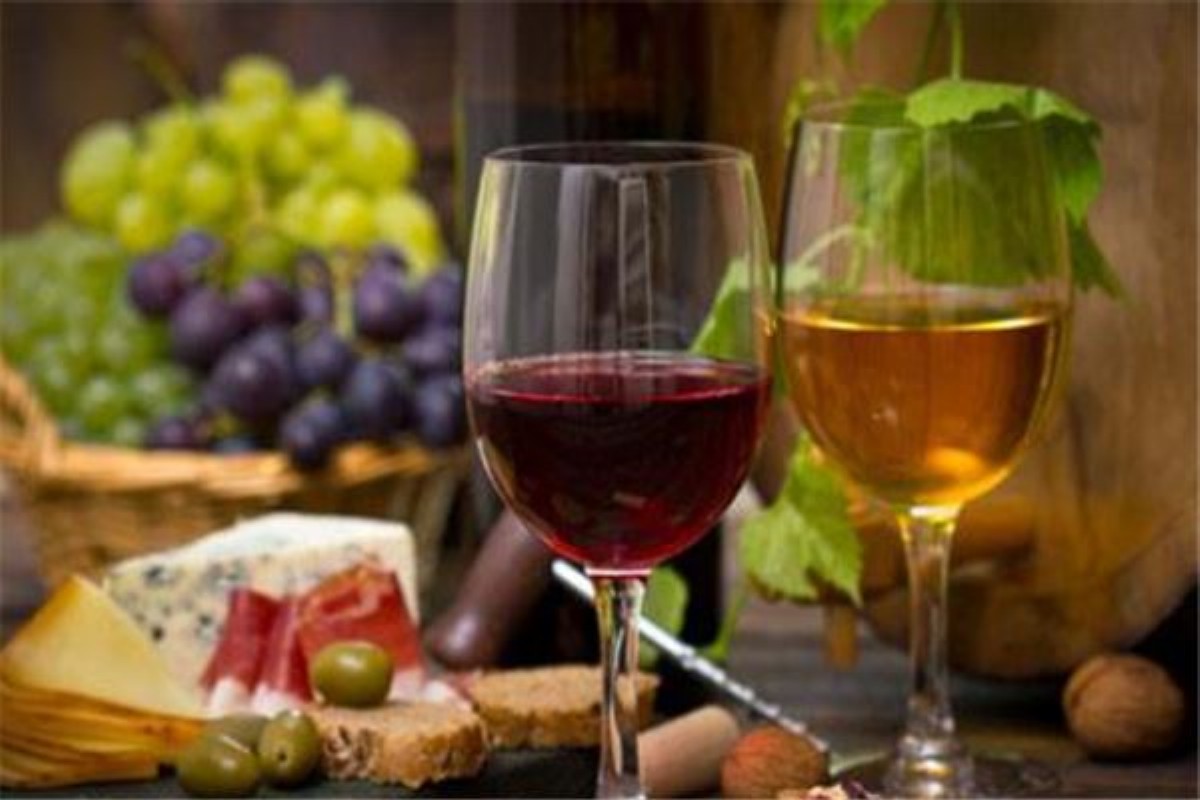
This wine presents an attractive deep ruby red color, and when poured into a glass, you can immediately sense its rich fruit aromas. Upon tasting, the flavors of blackberry and cherry are very prominent, accompanied by subtle vanilla and oak barrel notes. The wine has a medium to full body, with soft tannins, moderate acidity, and a long finish with a hint of pepper spice.
Notably, this wine’s balance is exceptionally well-executed. It’s neither too heavy nor too light, making it perfectly suited to pair with traditional Spanish dishes such as roasted lamb, Iberico ham, or aged Manchego cheese.
Value Analysis
| Price Range | Quality Rating | Suitable Occasions |
|---|
| 8-12 euros | 4.⅖.0 | Daily dining |
| Family gatherings | 4.5/5.0 | Holiday celebrations |
In local supermarkets, this wine typically retails for around 10 euros, and considering its quality and taste profile, it offers excellent value. Compared to imported wines in the same price range, Nightingale dry red wine has clear advantages in fruit intensity and flavor complexity.
For those just beginning to explore Spanish red wines, this wine is an excellent entry-level choice. It maintains the typical characteristics of Spanish reds while remaining accessible and enjoyable for most palates. I recommend decanting for 30 minutes before serving and maintaining a temperature between 16-18 degrees to better release its aromas and flavors.
