During a recent winery tour in Madrid, our guide provided detailed insights into Spain’s wine appellation system, giving me a deeper understanding of this complex classification framework. As a major wine-producing nation within the EU, Spain has established a strict quality control system to protect the quality and reputation of its domestic wines.
Spanish Wine Classification Hierarchy
Spain’s wine legal classification is divided into four main levels. The highest tier is DOCa, with currently only Spanish Wine Legal Appellations Rioja and Priorat holding this prestigious certification. The second tier is DO, the most common appellation designation, with 69 DO regions nationwide. Third is Vino de Pago, a special certification for single estates. The lowest level is Vino de la Tierra, equivalent to regional table wine.
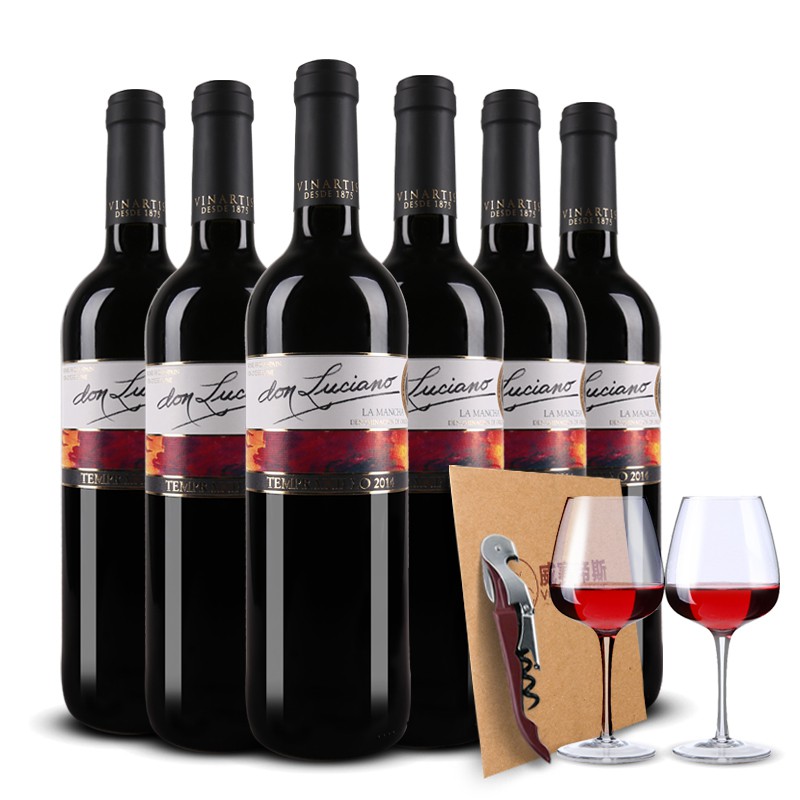
Each DO region maintains strict production regulations, including permitted grape varieties, minimum alcohol levels, yield restrictions, and aging requirements. For instance, Rioja requires at least 75% indigenous Tempranillo grapes, while Priorat primarily uses Garnacha and Carignan varieties. These regulations ensure that each region’s unique wine style is preserved.
Major Regional Characteristics Comparison
Different regions’ climate and soil conditions create distinctive wine styles. Here’s a comparison of key regional characteristics:
| Region | Primary Varieties | Style Characteristics | Aging Requirements |
|---|
| Rioja | Tempranillo, Garnacha | Elegant balance, prominent oak notes | Crianza minimum 1 year oak barrel |
| Ribera del Duero | Tempranillo | Rich intensity, abundant tannins | Altitude restriction above 800m |
| Priorat | Garnacha, Carignan | Strong minerality, full-bodied | Minimum 12.5% alcohol |
| Jerez | Palomino | Dry sherry, unique flavors | Solera aging system |
When purchasing Spanish wines, appellation markings are crucial quality indicators. Authentic DO or DOCa wines clearly display the region name and certification number on their labels. Additionally, aging classifications are important: Joven indicates young wines, Crianza requires 24 months aging, Reserva needs 36 months, and Gran Reserva demands 60 months.
Purchase Recommendations and Considerations
When buying wine locally in Spain, choose products with DO certification markings, typically reasonably priced between 8-25 euros. With a higher budget, try DOCa-level Rioja or Priorat wines, which enjoy excellent international reputations. For daily consumption, Crianza-level wines offer the best value, providing complexity at accessible prices. When purchasing, check vintage markings - wines aged 2-5 years are generally at their optimal drinking period.
