As a wine enthusiast who has lived in Spain for seven years, I’d like to share insights about the real pricing situation of Spanish premium red wines. I’ve noticed many friends asking about this topic recently, so I’ve compiled some practical information.
Spanish red wine pricing spans an extremely wide range, from everyday drinking entry-level bottles to collectible premium vintages. Based on my observations, most quality Spanish red wines are priced between €15 and €300, though there are certainly more expensive limited editions and vintage wines available. Different regional appellations also show distinct pricing strategies.
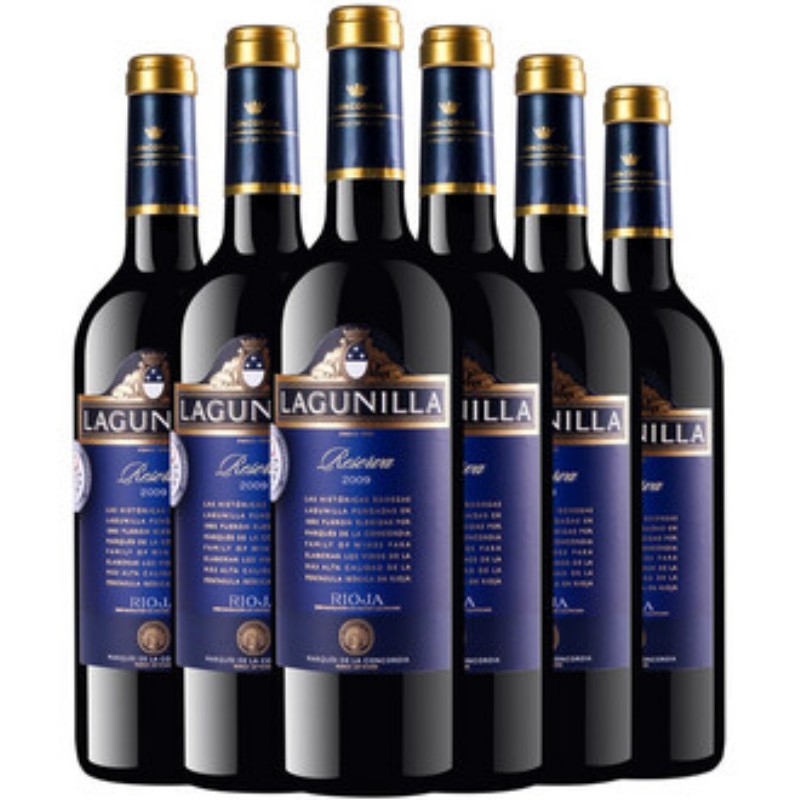
Regional Price Analysis
Rioja region wines maintain relatively stable pricing, with Crianza levels typically ranging €12-25, Reserva at €20-45, and Gran Reserva between €35-80. Priorat, due to its unique geographical location, commands higher prices across the board, with even entry-level wines starting at €25.
Ribera del Duero has gained significant attention in recent years, where quality wineries produce Spanish premium dry red wine prices ranging from €30-120, offering excellent value for money. In contrast, wines from Valencia and Murcia regions are more budget-friendly, with good quality bottles available for €15-35.
Price Comparison by Classification
| Classification | Price Range | Typical Regions | Recommendation Rating |
|---|
| Entry Level | €8-20 | La Mancha, Valencia | ★★★☆☆ |
| Mid-Range | €20-50 | Rioja, Navarra | ★★★★☆ |
| Premium | €50-150 | Priorat, Ribera del Duero | ★★★★★ |
| Collector | €150+ | Limited Editions, Aged Vintages | ★★★☆☆ |
Regarding purchasing advice, I recommend beginners start with the €25-40 price range, where Spanish red wines offer relatively consistent quality without being too expensive or disappointing. Never blindly chase high-priced bottles, as many mid-range wines are actually better suited for everyday consumption.
There’s a significant price difference between domestic Spanish purchases and export prices, with the same wine potentially varying 30-50% across different sales channels. Direct purchases from wine regions offer more attractive pricing. Additionally, vintage years significantly impact pricing, with exceptional years typically commanding 20-40% premium pricing.
