As a wine enthusiast who has lived in Spain for several years, I’d like to share some experiences and insights about Spanish red wines and ice red wines. Spain’s wine culture is truly rich, from traditional Rioja to modern Priorat, each region has its own distinctive style.
Spanish Red Wine Regional Characteristics
Spain has numerous red wine regions, each with its own unique features. Rioja is probably the most renowned, where Crown Red Wine made from Tempranillo grapes offers a mellow taste with rich oak barrel aromas. Ribera del Duero wines are more powerful and robust, perfect for pairing with grilled meats. Priorat wines have a strong mineral character due to the region’s unique slate soils.
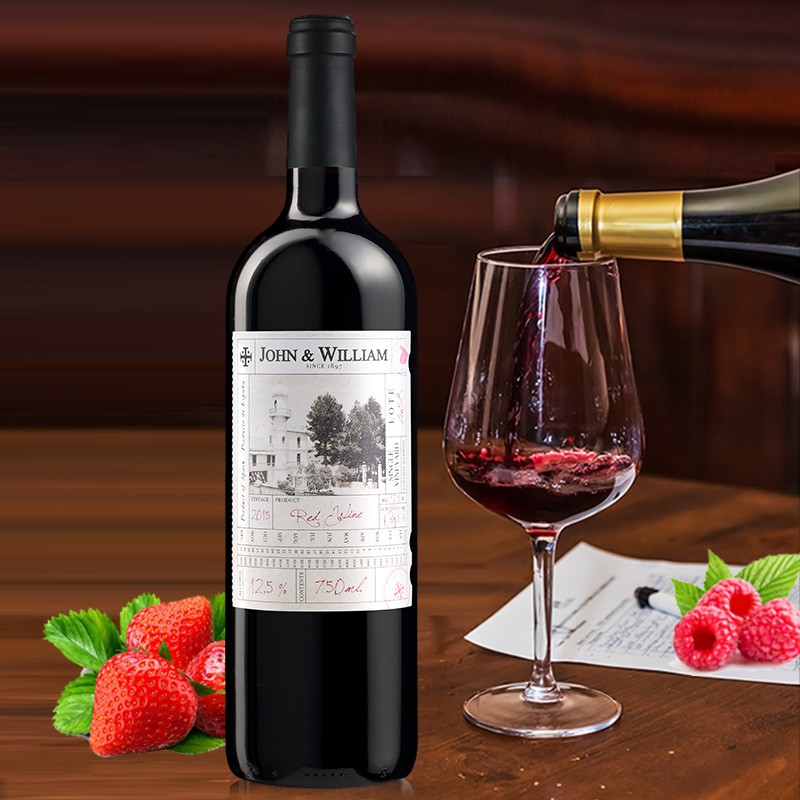
The Unique Charm of Ice Red Wine
Speaking of ice red wine, it’s actually not very common in Spain due to climate limitations. However, in some northern regions like Rías Baixas, I have tasted some excellent ice red wines. The production process is quite special - grapes must be harvested only after they naturally freeze on the vine, resulting in very limited production and higher prices. Ice red wine has a sweet and rich taste with honey and dried fruit aromas, making it perfect as an after-dinner dessert wine.
Tasting Techniques and Pairing Suggestions
When tasting Spanish red wines, I’ve found that temperature control is crucial. Generally, young red wines are best enjoyed at 16-18°C, while aged red wines can be slightly warmer at 18-20°C. Don’t drink directly from the refrigerator - it’s best to let the wine breathe for 30 minutes to an hour before serving.
| Wine Type | Food Pairing | Optimal Temperature |
|---|
| Young Red Wine | Grilled meat, cheese | 16-18°C |
| Aged Red Wine | Braised meat, game | 18-20°C |
| Ice Red Wine | Desserts, foie gras | 8-10°C |
Recommended Wineries and Purchase Tips
If you want to try Spanish red wines, I recommend several wineries with good value for money. Marqués de Riscal offers consistent quality at reasonable prices. Vega Sicilia, while more expensive, delivers truly premium quality. For ice red wines, look for products from small boutique wineries - though hard to find, they often provide pleasant surprises.
When purchasing, choose wines with DO or DOCa labels, which are Spain’s official quality guarantees. Also, if buying online, pay attention to shipping and storage conditions, especially in summer when high temperatures can affect wine quality. I hope these insights are helpful, and I welcome other friends to share their wine tasting experiences.
