While recently working at a wine cellar in Madrid, I encountered several cases of wine bottle bursting, which prompted me to delve into [wine shop management] research on this issue. As a wine enthusiast who has lived in Spain for many years, I want to share my analysis of wine bottle bursting phenomena.
Temperature Changes Are the Main Culprit
Sudden temperature changes are the most common cause of wine bottle bursting. When wine bottles are suddenly exposed to high temperatures from low-temperature environments, or vice versa, the liquid inside undergoes thermal expansion and contraction. Spanish summer temperatures often exceed 40 degrees, and if red wine is taken directly from refrigerated environments and placed in sunlight, the temperature difference can reach over 30 degrees with Spanish red wine.
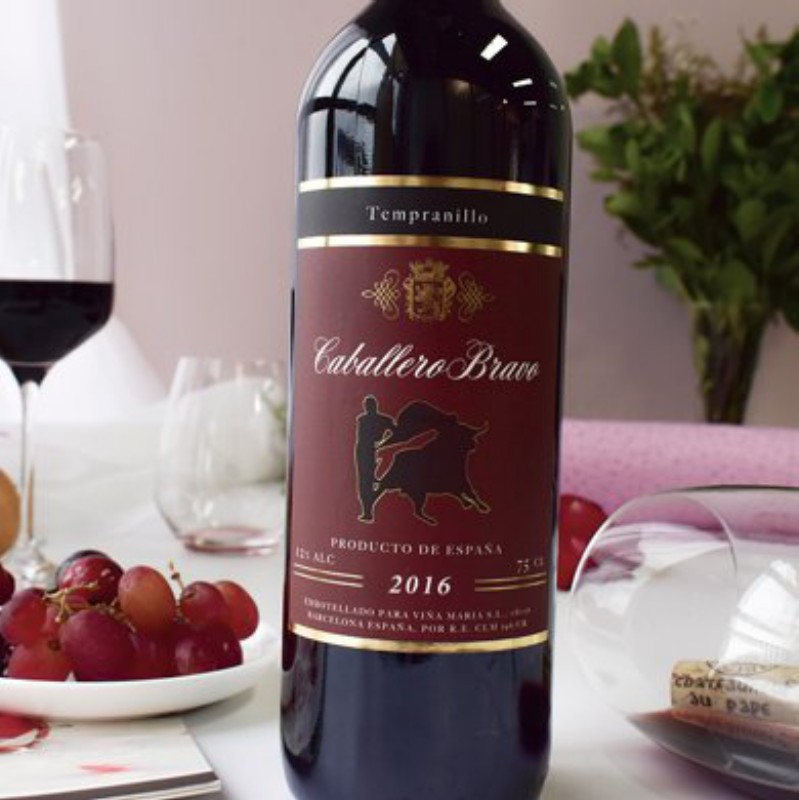
Alcohol has a larger expansion coefficient than water, and when temperature rises rapidly, the pressure inside the bottle increases dramatically. If the wine bottle has minor cracks or quality issues, bursting can easily occur. I once witnessed a 2018 Rioja red wine that burst within 10 minutes after being taken directly from an underground wine cellar to a terrace.
Pressure Changes During Transportation
| Transportation Stage | Risk Level | Main Causes |
|---|
| Loading Stage | Medium | Handling vibrations |
| During Transit | High | Bumping and shaking |
| Unloading Stage | High | Sudden temperature changes |
In Spain, red wine often requires long-distance transportation, and shipping from Andalusia to the Basque region may involve crossing different climate zones. Vehicle vibrations during transport cause wine bottles to collide with each other, and combined with unstable temperatures inside the cargo area, these overlapping factors greatly increase the risk of bursting.
The Importance of Storage Environment
Humidity control is equally crucial. Spain’s inland regions have dry climates, causing cork stoppers to shrink easily and reducing their sealing effectiveness. When outside air enters wine bottles, it alters the pressure balance inside. Particularly in cities like Madrid with large day-night temperature differences, wine bottles expand from daytime heat and rapidly contract during nighttime cooling, and repeated pressure changes can eventually cause bottle breakage.
A friend of mine who specializes in collecting Catalonian red wines told me the best storage method is maintaining constant temperatures of 15-18 degrees with humidity controlled between 60-70%. Many people think avoiding sunlight is sufficient, but temperature stability is actually more important than absolute temperature.
Prevention Measures and Recommendations
From my experience, preventing red wine bottle bursting requires attention to several key points. First is avoiding drastic temperature changes - if taking red wine from refrigerated environments, it’s best to let it sit at room temperature for 30 minutes before opening. Second is choosing reliable quality wine bottles and checking for minor cracks at the bottle bottom and neck.
During transportation, use specialized wine packaging boxes ensuring adequate cushioning space for each bottle. For personal vehicle transport, avoid midday hours and choose morning or evening when temperatures are milder. For collectible-grade red wines, investing in a professional temperature-controlled wine cabinet is recommended - while the initial cost is high, it effectively prevents losses due to environmental factors.
