Overview of Spain’s Wine Classification System
Having lived in Spain for so long, I’ve gained deeper insight into the local wine culture. Today I want to discuss Spain’s highest wine grade—DOCa. This classification occupies the pinnacle position in Spain’s entire wine system.
Spain’s wine classification system is quite strict, ranging from lowest to highest: Vino de Mesa, Vino de la Tierra, DO, and DOCa. As the highest level of Spain’s top red wine brands, DOCa has extremely demanding requirements.
Strict Standards for DOCa Certification
Obtaining DOCa certification is no easy task. A region must first hold DO status for at least 10 years and achieve excellence in quality, reputation, and market performance. Currently, only two regions in all of Spain have earned this honor: Rioja and Priorat.
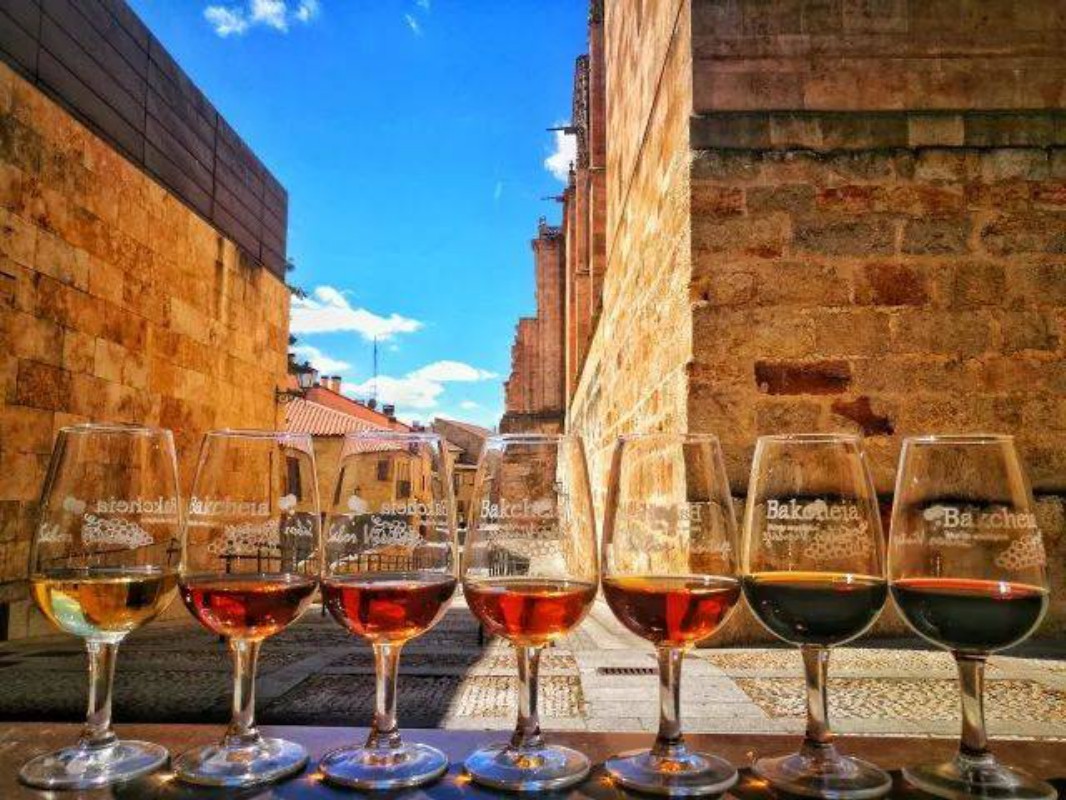
These regions must not only undergo strict grape cultivation oversight but also pass detailed winemaking process audits. Every bottle of DOCa-level wine must be certified by official tasting committees to ensure compliance with the highest quality standards.
Characteristics and Classification of Rioja DOCa
Rioja, as Spain’s most famous wine region, received DOCa certification back in 1991. The wines here are primarily made from Tempranillo grapes, with clear classifications based on aging time:
| Classification | Aging Requirements | Characteristics |
|---|
| Crianza | 2 years total aging, 1 year in oak | Rich fruit aromas, smooth tannins |
| Reserva | 3 years total aging, 1 year in oak | Complex structure, excellent balance |
| Gran Reserva | 5 years total aging, 2 years in oak | Rich layers, strong aging potential |
Rioja’s soil consists mainly of clay, limestone, and sand, and these unique geographical conditions provide an ideal growing environment for grapes. The local continental climate, combined with humid Atlantic influences, creates Rioja wines’ distinctive flavor characteristics.
The Rise of Priorat DOCa
Priorat received DOCa certification in 2009, and while relatively new, its quality performance is remarkable. This Catalonian region is famous for its unique llicorella slate soil, which imparts very special mineral flavors to the wines.
Priorat primarily cultivates Garnacha and Cariñena, with small production but extremely high quality. The vineyards here are mostly built on steep hillsides, making hand harvesting the only option, which further increases production costs and quality thresholds.
While both DOCa regions represent the highest standards of Spanish wine, they each showcase distinctly different style characteristics. Rioja tends toward traditional elegance, while Priorat displays modern intensity and power. As consumers, being able to taste DOCa-level wines from these two regions is truly a rare pleasure.
