As a red wine enthusiast who has lived in Spain for many years, I’m often asked about the differences between Portuguese and Spanish red wines. While both countries are located on the Iberian Peninsula, their winemaking traditions and styles have significant distinctions. Today I’d like to share my observations and experiences with you.
Historical Heritage Differences
Portugal’s winemaking history dates back to the 6th century BC, with the famous Port wine enjoying worldwide recognition. Spain’s winemaking tradition is equally ancient, particularly the Tempranillo grape variety from the Rioja region. Both countries’ winemaking techniques were influenced by Romans and Moors, but they developed along different paths. Portugal focuses more on preserving traditional methods, while Spain has incorporated more modern elements into its traditional foundation.
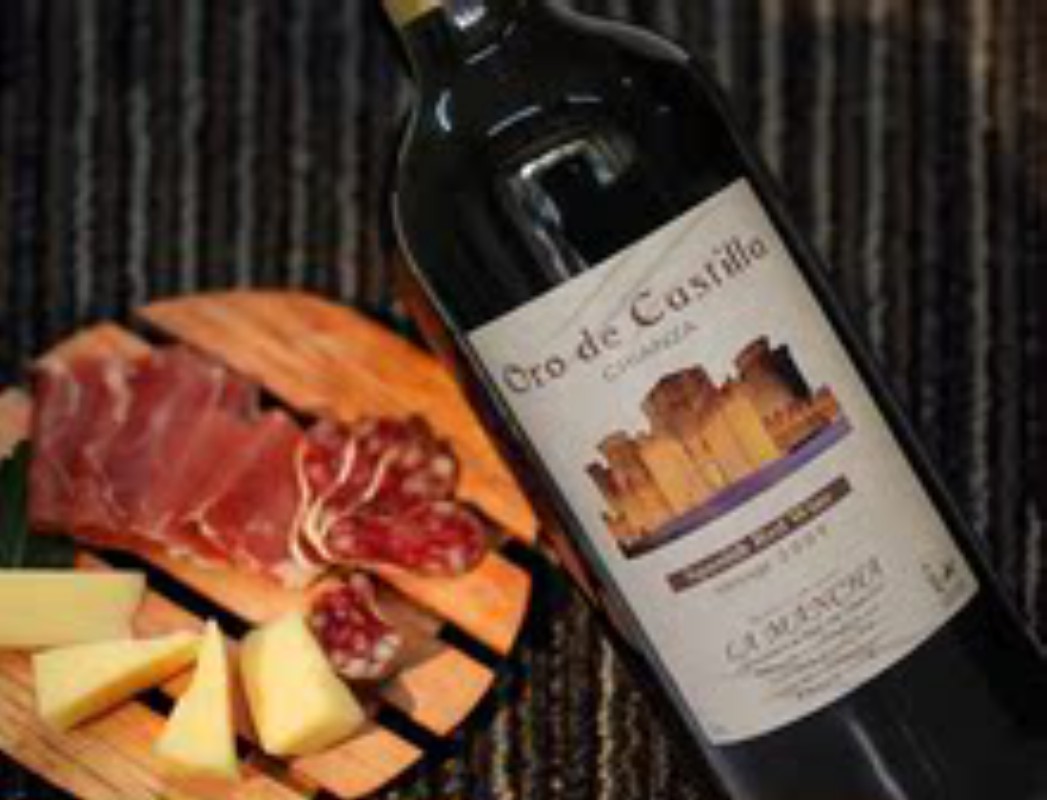
Main Regions and Grape Varieties Comparison
| Country | Main Regions | Representative Varieties | Characteristic Style |
|---|
| Portugal | Douro Valley, Alentejo | Touriga Nacional, Aragonez | Rich complexity, abundant tannins |
| Spain | Rioja, Ribera del Duero | Tempranillo, Garnacha | Elegant balance, prominent fruit aromas |
From my tasting experience, Portuguese red wines typically have deeper color and more intense flavors, largely due to their use of indigenous grape varieties. Spanish red wines, on the other hand, display more elegant and balanced qualities, especially the oak-aged Rioja wines.
Winemaking Process Characteristics
The two countries also have distinct differences in their winemaking processes. Portugal still maintains some traditional production methods, such as using stone fermentation tanks in certain regions. Spain tends to adopt modern equipment while strictly controlling fermentation temperatures. These differences directly impact the final wine style expression.
It’s worth noting that both countries have strict appellation control systems. Portugal’s DOC system and Spain’s DO system both ensure the quality and authenticity of their respective red wines. I personally believe that price is not the only standard for judging quality; it’s more important to understand the characteristics of different regions.
Portuguese and Spanish red wines each have their own merits. The choice depends mainly on personal preference and food pairing needs. If you enjoy rich, complex flavors, try red wines from Portugal’s Douro Valley; if you prefer elegant, balanced styles, Spain’s Rioja will definitely not disappoint you.
