As a wine enthusiast who has lived in Spain for many years, I’ve always maintained a keen interest in the local wine market. Recently, I compiled a list of Spain’s top 10 best-selling red wine brands and wanted to share these market-leading brands with you.
According to the latest market data from Spanish Wine Rankings, here are Spain’s top 10 red wine brands by sales volume:
| Rank | Brand Name | Main Region | Annual Sales |
|---|
| 1 | Campo Viejo | Rioja | 2800 |
| 2 | Marqués de Cáceres | Rioja | 2200 |
| 3 | Faustino | Rioja | 1900 |
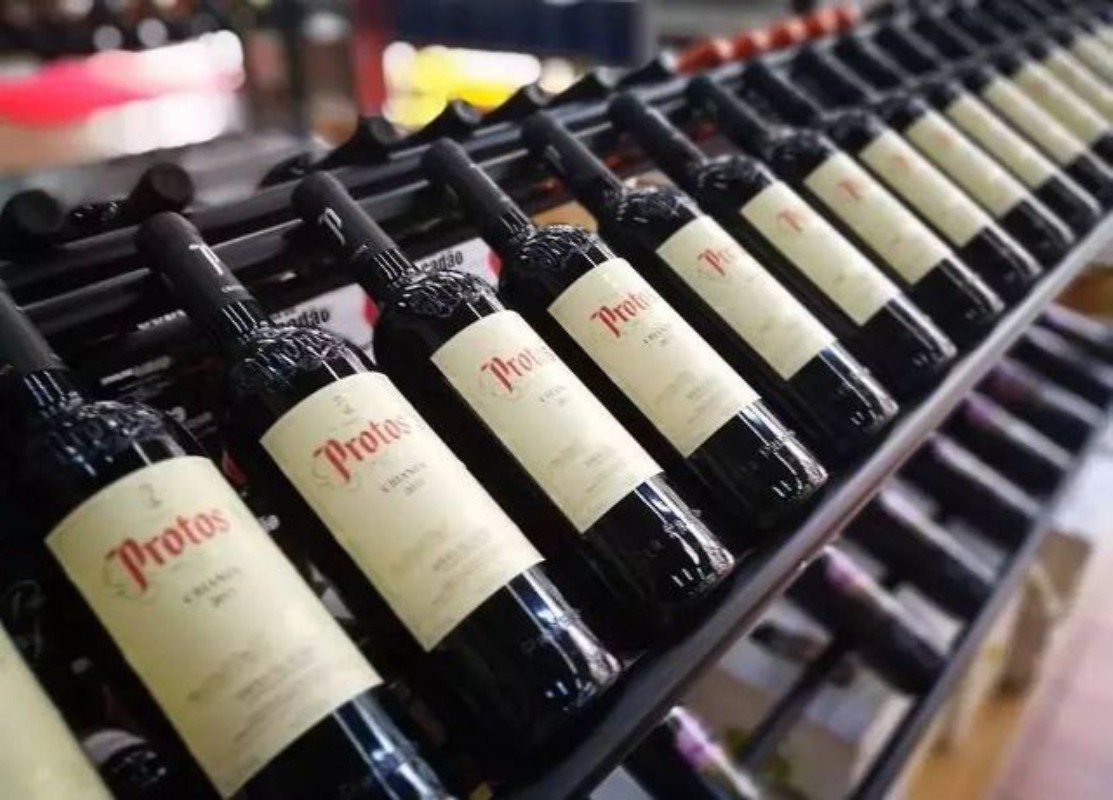
| 4 | Protos | Ribera del Duero | 1650 |
| 5 | Marqués de Riscal | Rioja | 1400 |
| 6 | Beronia | Rioja | 1200 |
| 7 | Torres | Catalonia | 1100 |
| 8 | Jean León | Catalonia | 950 |
| 9 | Viña Ardanza | Rioja | 850 |
| 10 | Marqués de Murrieta | Rioja | 780 |
Rioja’s Market Dominance
This ranking clearly demonstrates that Rioja region holds absolute dominance in Spanish red wine sales. Seven out of the top 10 brands originate from this historic appellation. Campo Viejo’s success as the sales leader is largely attributed to its extensive international distribution network and relatively accessible pricing strategy.
Marqués de Cáceres and Faustino follow closely behind. Both brands have successfully maintained traditional winemaking techniques while embracing modern marketing strategies. Faustino, in particular, enjoys exceptionally high penetration in Spanish restaurants.
Rise of Emerging Regions
Protos from Ribera del Duero securing fourth place demonstrates that this relatively young appellation is gaining increasing consumer recognition. Protos’ success stems primarily from its high-quality Tempranillo grapes and modern winemaking technology.
Catalonian brands Torres and Jean León also perform admirably, with Torres being one of Spain’s most internationally recognized wineries, particularly excelling in export markets. These brands’ success showcases the diversity and innovation capacity of Spain’s wine industry.
From a pricing perspective, these ten brands span from entry-level to premium price segments. While Campo Viejo and Beronia primarily target the daily consumption market, Marqués de Riscal and Marqués de Murrieta focus more on premium consumer segments. Of course, price doesn’t always correlate directly with quality, as each brand has its unique style and target market.
