While organizing my wine cellar recently, I discovered several bottles of Spanish black label wine I had collected years ago. Due to an upcoming move, I need to handle some of my collection, so I’d like to share some experiences and insights about Spanish black label wine recycling.
What is Spanish Black Label Wine
Spanish black label wine typically refers to high-end wines made with traditional winemaking techniques and extended aging periods. These wines often come from renowned regions like Rioja and Ribera del Duero, known for their deep color and complex flavors. Black labels usually represent a winery’s premium or limited edition versions, holding significant collection and investment value.
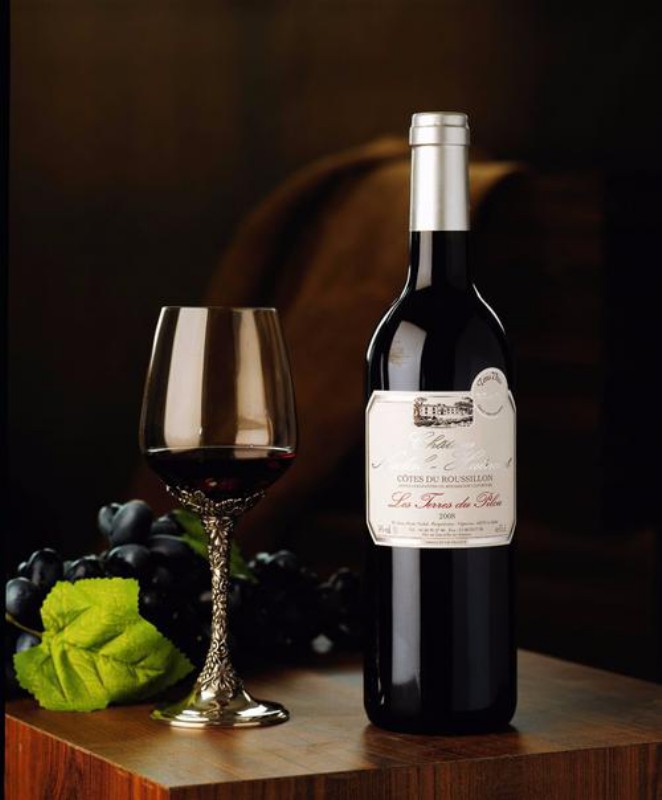
Recycling Channel Analysis
Current market recycling channels mainly include professional wine merchants, auction houses, and private collectors. Based on my research on blue black label varieties, different channels have varying prices and requirements:
| Recycling Channel | Price Level | Requirements |
|---|
| Professional Wine Merchants | 60-80% of market value | Good condition, original packaging |
| Auction Houses | 70-90% of market value | Notable vintages, complete certificates |
| Private Collectors | Negotiable pricing | Rare varieties, excellent preservation |
Value Assessment Key Points
When evaluating the recycling value of Spanish black label wine, multiple factors must be considered. Vintage is one of the most important factors, with excellent years like 1995, 2001, and 2004 typically commanding higher values. Winery reputation is equally important, with top-tier producers like Vega Sicilia and Pingus often fetching better recycling prices.
Storage condition directly affects recycling prices. Wines with clear liquid, intact corks, and undamaged labels typically receive better offers. Additionally, having original wooden boxes, certificates, and other accessories also influences final recycling value.
Pre-Recycling Preparation
Before deciding to recycle, thorough preparation is recommended. First, verify the wine’s authenticity and completeness, avoiding issues with counterfeit wines or poor condition affecting prices. You can check vintage information through the winery’s official website or consult professional wine authentication institutions.
Next, gather relevant purchase receipts, storage records, and other documentation that can provide evidence of the wine’s provenance and preservation history for premium black label wines. Finally, I recommend getting quotes from multiple sources rather than rushing to sell, making decisions only after fully understanding market conditions.
For true wine enthusiasts, recycling is just one option. More importantly, we should view collecting rationally. I hope this experience sharing helps everyone, and I welcome fellow enthusiasts to share their experiences in the comments.
