During a recent visit to a winery in Madrid, I had the pleasure of tasting several Carmelo wines and was thoroughly impressed. I’d like to share the unique characteristics of this region with fellow wine enthusiasts. While Carmelo may not be as renowned as Rioja, this traditional Spanish wine region certainly has its distinctive charm.
Regional Background and Terroir
The Carmelo region is located in central Spain, featuring a typical continental climate with hot, dry summers and relatively mild winters. The Carmelo red wine terroir is characterized by limestone and clay soils, providing excellent drainage and mineral content for grape cultivation. The primary grape varieties grown here include Tempranillo, Garnacha, and small amounts of Cabernet Sauvignon.
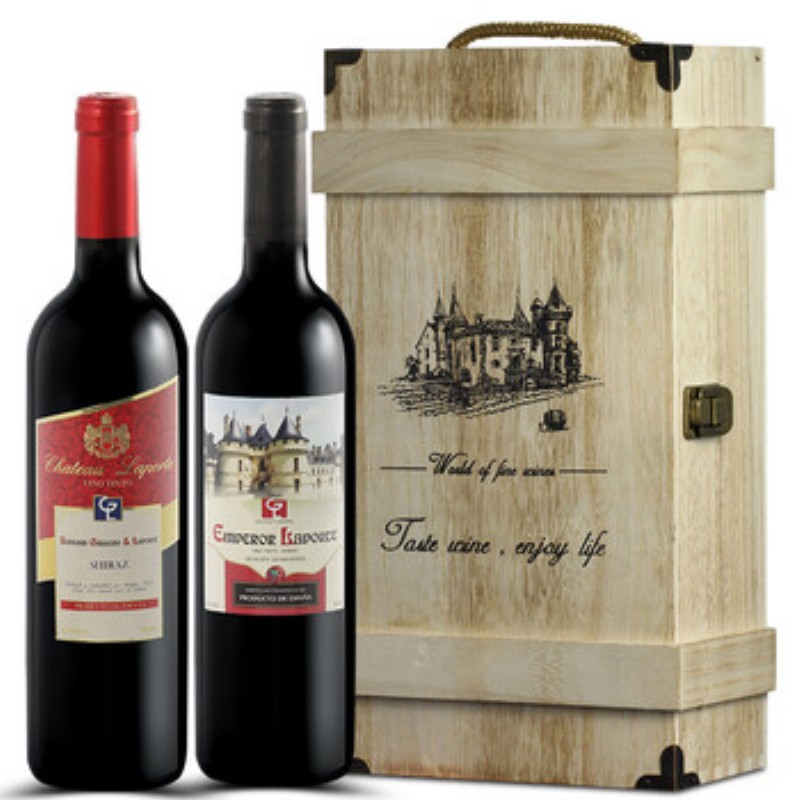
Typical Flavor Profile
Through multiple tastings, I’ve identified several characteristic features of Carmelo wines: First, they exhibit intense fruit aromas, particularly prominent blackberry and cherry notes; second, the tannins are relatively soft, avoiding excessive heaviness while remaining suitable for daily consumption; finally, they maintain well-balanced acidity with subtle vanilla and oak barrel notes in the finish.
| Vintage | Alcohol | Recommended Decanting | Serving Temperature |
|---|
| 2019 | 13.5% | 30 minutes | 16-18°C |
| 2020 | 14% | 45 minutes | 16-18°C |
| 2021 | 13% | 20 minutes | 15-17°C |
Pairing Recommendations
Based on my experience, Carmelo wines pair exceptionally well with traditional Spanish cuisine. They complement roasted lamb or Iberian ham beautifully, as the wine’s fruit character balances the richness of the meat. For cheese lovers, I recommend pairing with Manchego cheese, as both offer excellent flavor complementarity.
Purchasing Advice
In Spain, Carmelo wines are relatively affordable, typically ranging from 8-25 euros for quality bottles. For those interested in Spanish Merlot wine prices, I suggest starting with younger vintages like 2020 or 2021, which showcase more prominent fruit characteristics and are easier to appreciate. For experienced tasters, consider trying aged reserve selections that typically offer more complex layered flavors.
