Spanish Red Wine Manufacturing Process Explained
As a wine enthusiast who has lived in Spain for many years, I’d like to share insights into Spanish red wine manufacturing processes. Spain, as the world’s third-largest wine producer, has Spanish red wine production techniques winemaking traditions dating back thousands of years. Today, let’s explore in detail the Spanish red wine craftsmanship magical transformation from vineyard to glass.
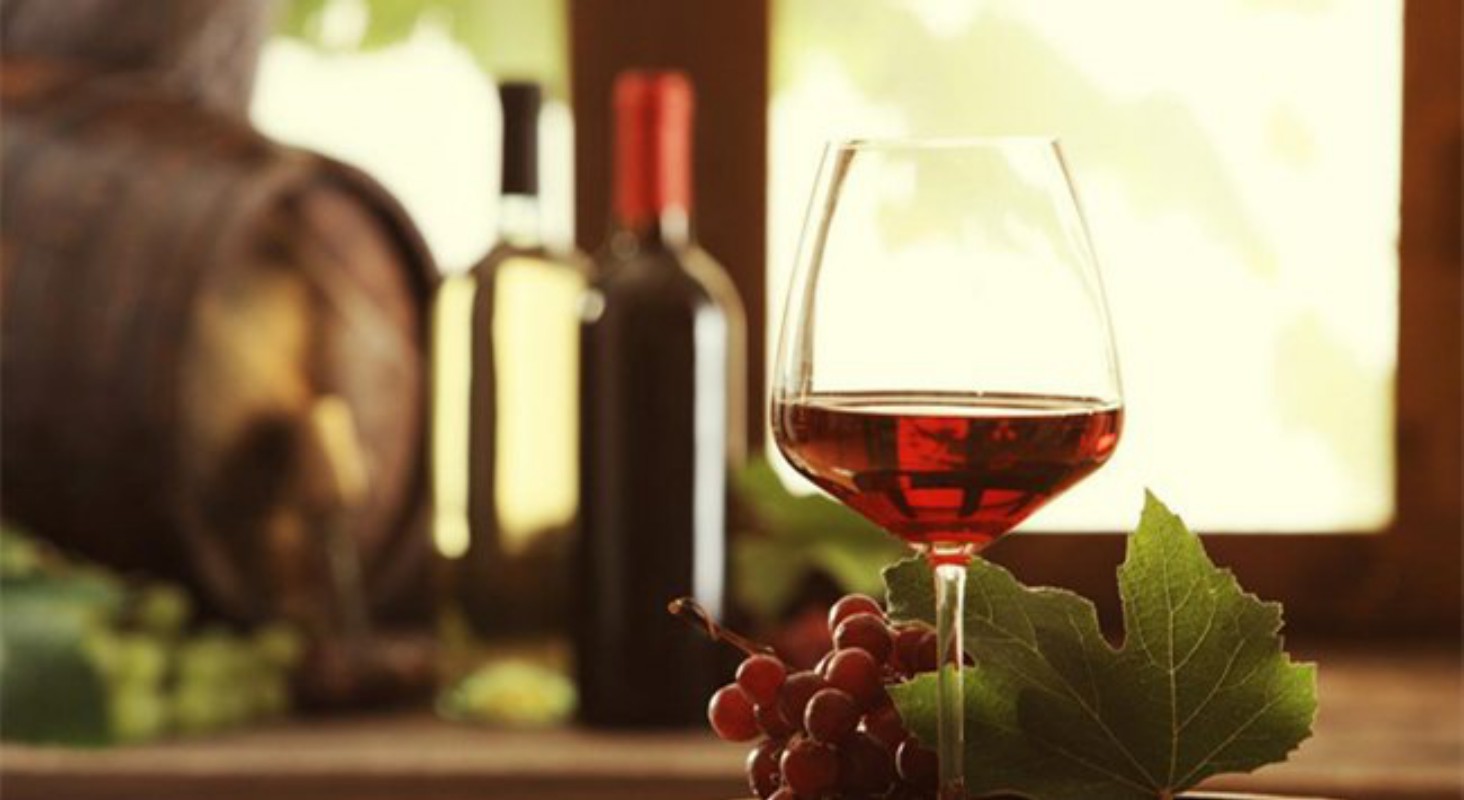
Grape Cultivation and Harvesting
Spanish grape cultivation strictly follows traditional methods, where soil types, climate conditions, and grape variety combinations are key factors determining wine quality. In renowned regions like Rioja and Ribera del Duero, winemakers typically begin harvesting in mid-September when grapes achieve optimal sugar and acidity balance. The harvesting process remains largely manual, ensuring each grape is in perfect condition. Experienced harvesters can accurately judge grape ripeness, a skill that requires years of accumulation.
Crushing and Fermentation Process
Harvested grapes are transported to wineries for crushing. Modern Spanish wineries typically use pneumatic presses, effectively extracting grape juice without over-damaging the tannins in grape skins. Fermentation occurs in two stages: alcoholic fermentation and malolactic fermentation. Temperature is controlled between 25-30 degrees Celsius, with fermentation lasting 8-15 days. This stage requires regular “punching down” operations, allowing skins to contact the wine thoroughly, extracting color and flavor compounds.
| Fermentation Stage | Temperature Range | Duration | Main Purpose |
|---|
| Alcoholic Fermentation | 25-30°C | 8-15 days | Sugar conversion to alcohol |
| Malolactic Fermentation | 18-22°C | 2-6 weeks | Reduce acidity, increase complexity |
Aging and Oak Barrel Techniques
After fermentation, red wine enters the aging phase. Spain’s aging classification system is very strict, with clear time requirements from Joven to Gran Reserva. Many people think more expensive wines age longer, but this concept isn’t entirely accurate. Oak barrel selection is equally important - American oak barrels impart vanilla and coconut aromas, while French oak barrels provide more delicate tannin structure. During aging, wine undergoes micro-oxidation with air, developing more complex aromatic layers.
Bottling and Quality Control
Before bottling, wineries conduct final quality checks and blending. Spain’s DO system ensures every bottle meets regional quality standards. The bottling process uses nitrogen protection to prevent wine oxidation. Bottled red wine requires several months of cellar rest, allowing wine and cork to integrate fully - a process called “bottle aging.” Finally, a bottle carrying traditional Spanish craftsmanship is born, from vineyard to table, the entire process reflecting Spanish dedication and passion for winemaking.
