Spanish Wine Market Overview
As the world’s third-largest wine producer, the Spanish wine market has demonstrated strong growth momentum in recent years. From traditional Rioja regions to emerging Ribera del Duero areas, Spanish wines are redefining their position in the international market. The development model of balancing domestic consumption with exports has given the Spanish wine industry diverse market characteristics.
Major Regional Market Performance
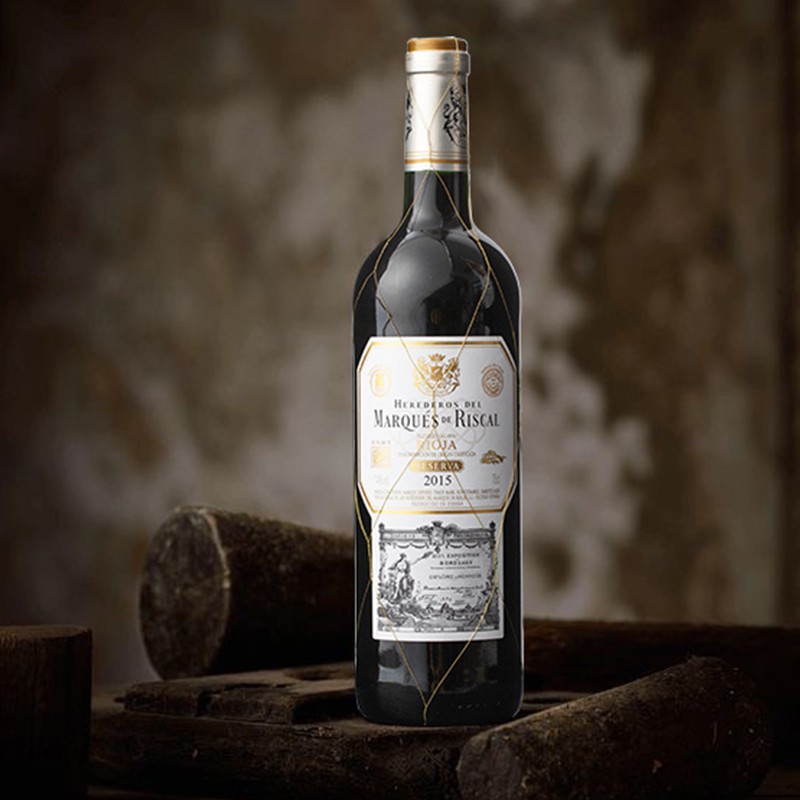
The core competitiveness of the Spanish wine market is mainly concentrated in several key regions. Rioja, as the most renowned region in the Spanish wine market, accounts for approximately 35% of Spain’s total wine production market share, while Ribera del Duero is known for premium wines with average prices 40-60% higher than other regions. Catalonia and Andalusia regions primarily target the mass consumer market with relatively affordable pricing.
| Region | Market Share | Average Price (€) | Main Varieties |
|---|
| Rioja | 35% | 15-25 | Tempranillo |
| Ribera del Duero | 18% | 25-40 | Tempranillo |
| Priorat | 8% | 30-60 | Garnacha |
| Catalonia | 25% | 8-15 | Multiple varieties |
Consumer Trends and Price Analysis
Spanish domestic wine consumption shows dual trends of younger demographics and quality focus. The 25-45 age group dominates the market, with a preference for mid to high-end products. Price-wise, wines in the 10-20 euro range have the largest sales volume, accounting for about 45% of total sales, while premium products above 20 euros, though smaller in volume, contribute 35% of profit margins.
Traditional restaurant channels remain the main avenue for wine sales, accounting for 60% of total sales, but online sales are growing rapidly with an annual growth rate exceeding 25%. Particularly during the pandemic, while physical store sales declined, online platforms became important channels for consumers purchasing wine.
Export Market Opportunities
The Spanish wine export market performs excellently, with main target markets including Germany, the United Kingdom, the United States, and China. Germany, as the largest export destination, imports over 300 million liters annually, mainly focusing on cost-effective daily table wines. While China’s import volume is relatively small, it has enormous growth potential with continuously rising demand for premium wines, providing Spanish wineries with new development opportunities for Spanish wine breakthroughs.
