Authentic Spanish Mulled Wine: Traditional Names and Preparation Methods
As someone who has lived in Spain for many years, I’d like to share the real story behind Spanish mulled wine. While many people are familiar with Spanish Wine Directory German Glühwein or Nordic Mulled Wine, Spain actually has its own unique mulled wine tradition.
In Spain, the most common name for mulled wine is Vino Caliente, which literally translates to “hot wine.” However, there are regional variations - in Catalonia it’s called “Vi Calent,” while in the Basque region it’s known as “Ardo Beroa.” Despite different names, the preparation methods and traditions remain quite similar.
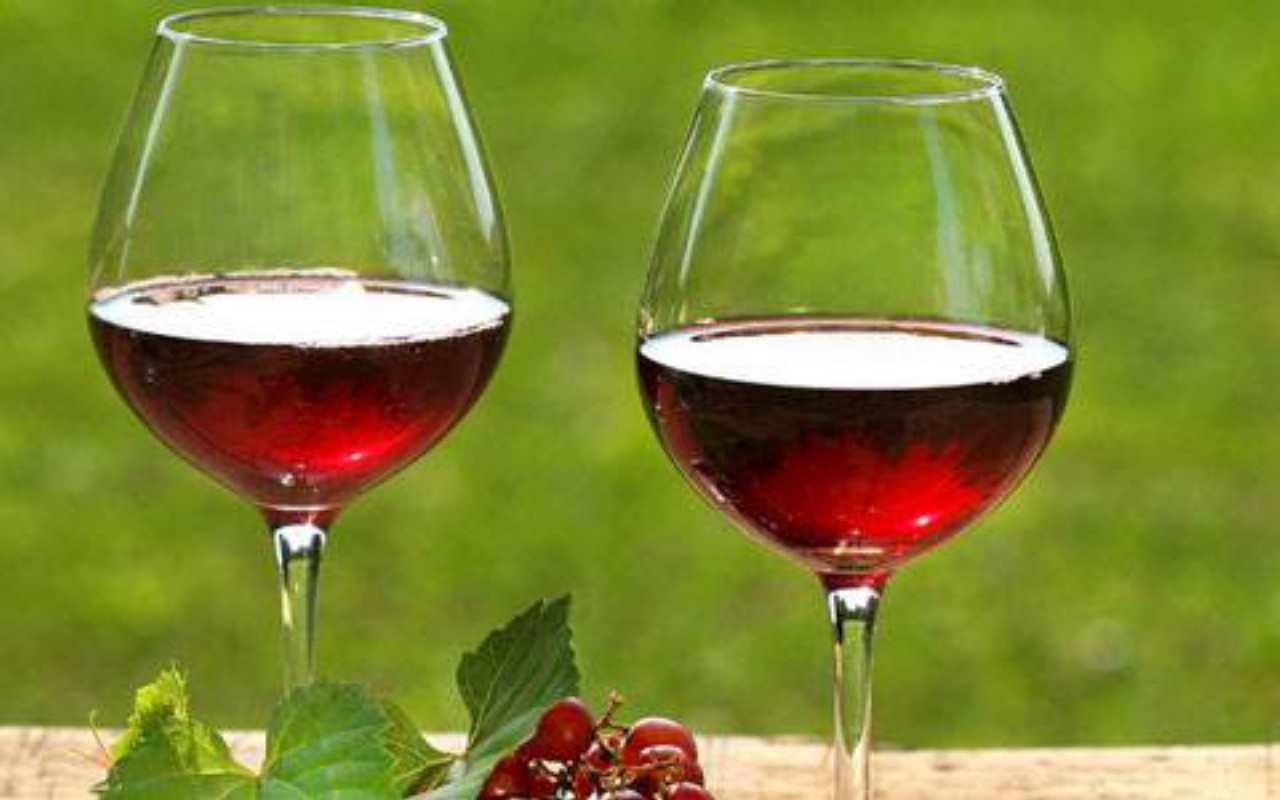
Traditional Recipe Comparison
| Ingredient | Traditional Recipe | Modern Simplified Version |
|---|
| Red Wine | 1 bottle premium Tempranillo | 1 bottle regular red wine |
| Cinnamon Sticks | 2-3 Ceylon cinnamon sticks | 1-2 regular cinnamon sticks |
| Cloves | 8-10 pieces | 5-6 pieces |
| Orange Peel | Fresh orange zest | Dried orange peel or juice |
| Honey | 3-4 tablespoons pure honey | 2 tablespoons honey or sugar |
| Other Spices | Star anise, cardamom, bay leaves | Optional additions |
The preparation process isn’t complicated, but requires patience. The most crucial aspect is temperature control - never let the wine boil, as this will evaporate the alcohol and create a bitter taste. I usually simmer on low heat for 15-20 minutes, stirring constantly to ensure the spices release their full aroma.
Regional Variations
It’s worth noting that Vino Caliente from Andalusia in southern Spain incorporates more citrus fruits and sometimes adds a small amount of brandy for enhanced flavor. The northern Galician version tends to be more traditional, using spices conservatively to highlight the wine’s natural taste. Madrid’s approach strikes a balance between both styles.
This warming beverage is extremely popular during Spanish winters, especially at Christmas family gatherings. Many bars serve this drink during winter months, though homemade versions always taste more authentic. If you get a chance to try making it, remember to choose red wine that isn’t too tannic - this will result in a smoother, more pleasant taste.
