As a wine enthusiast who has lived in Spain for many years, I’d like to share some insights about Spanish fruity red wines. Recently, I’ve tasted many excellent wines at several wineries in Madrid, particularly those Spanish fruity red wines with rich fruity aromas that truly left a lasting impression. These Spanish fruity red wines are genuinely remarkable.
What are Fruity Red Wines
Fruity red wines, as the name suggests, are wines where you can distinctly taste fruit aromas during consumption. In Spain, these wines typically use relatively young winemaking techniques that preserve the natural fruit flavors of the grapes. Common fruit aromas include cherry, blackberry, strawberry, plum, and sometimes citrus notes.
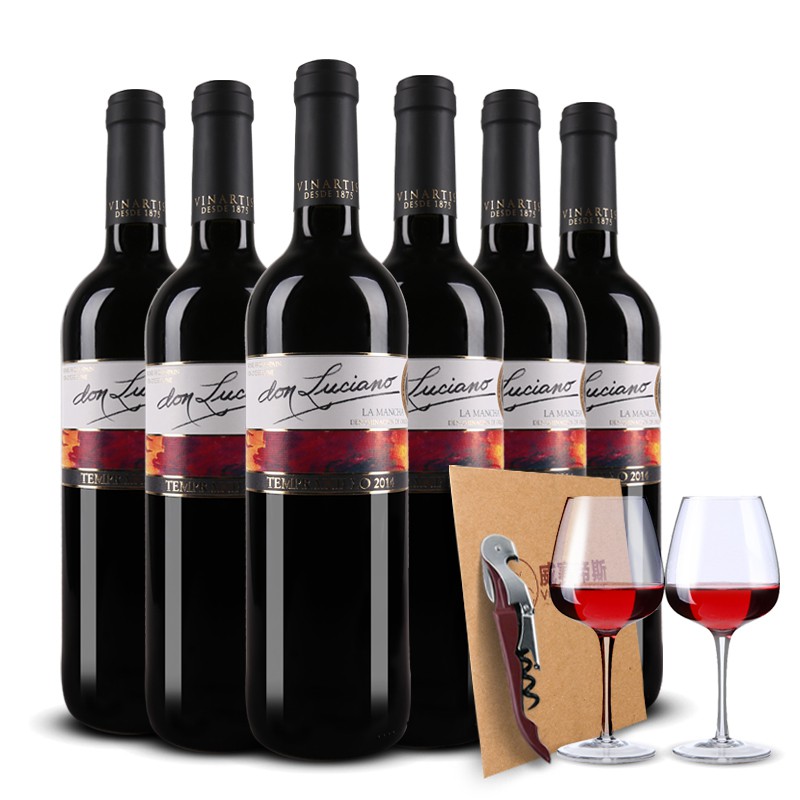
Main Regional Distribution
Spanish fruity red wines are primarily concentrated in several important regions. Rioja is renowned for its elegant cherry and vanilla notes, while Ribera del Duero is known for its rich black fruit aromas. The Priorat region in Catalonia also produces excellent fruity red wines at relatively affordable prices.
| Region | Main Fruit Characteristics | Price Range |
|---|
| Rioja | Cherry, strawberry, vanilla | €15-50 |
| Ribera del Duero | Blackberry, plum, violet | €12-40 |
| Priorat | Blueberry, fig, spices | €20-60 |
Tasting Techniques
When tasting fruity red wines, temperature control is crucial. It’s generally recommended to serve at 16-18°C, which best releases the fruit aromas. After pouring, don’t rush to taste - let the wine breathe in the glass, gently swirl it, then take a deep breath. Quality fruity red wines will leave complex layers of aroma in your nasal cavity.
When tasting, take small sips and let the wine rest on your tongue for a few seconds. Truly quality fruity red wines not only have distinct fruit flavors but also excellent acidity balance, avoiding excessive sweetness.
Pairing Suggestions
Fruity red wines are quite versatile for pairing. Lighter ones can complement seafood, especially grilled octopus or fried calamari rings. Richer varieties pair well with grilled meats, particularly traditional Spanish roast suckling pig or Iberian ham. Heavy-flavored dishes aren’t recommended as they can mask the wine’s fruity characteristics.
Finally, when choosing fruity red wines, you don’t need to pursue high vintages - younger wines often have more prominent fruit aromas. In Spanish supermarkets or wineries, you can find excellent fruity red wines in the €10-20 price range. I hope these insights are helpful, and feel free to discuss any questions!
