My Spanish Wine Exploration Journey
As a wine enthusiast who has lived in Spain for five years, I want to share some genuine experiences about Spanish red wines. When I first arrived here, I knew very little about local wines, but now I have fallen deeply in love with the beautiful wines nurtured by this land.
The Classic Charm of Rioja Region
Rioja is undoubtedly one of Spain’s most famous wine regions. The red wines made from Tempranillo grapes here have a unique oak barrel aging flavor. I personally recommend Reserva-level wines, which are usually aged in oak barrels for at least one year, offering rich layers of taste with moderate tannins.
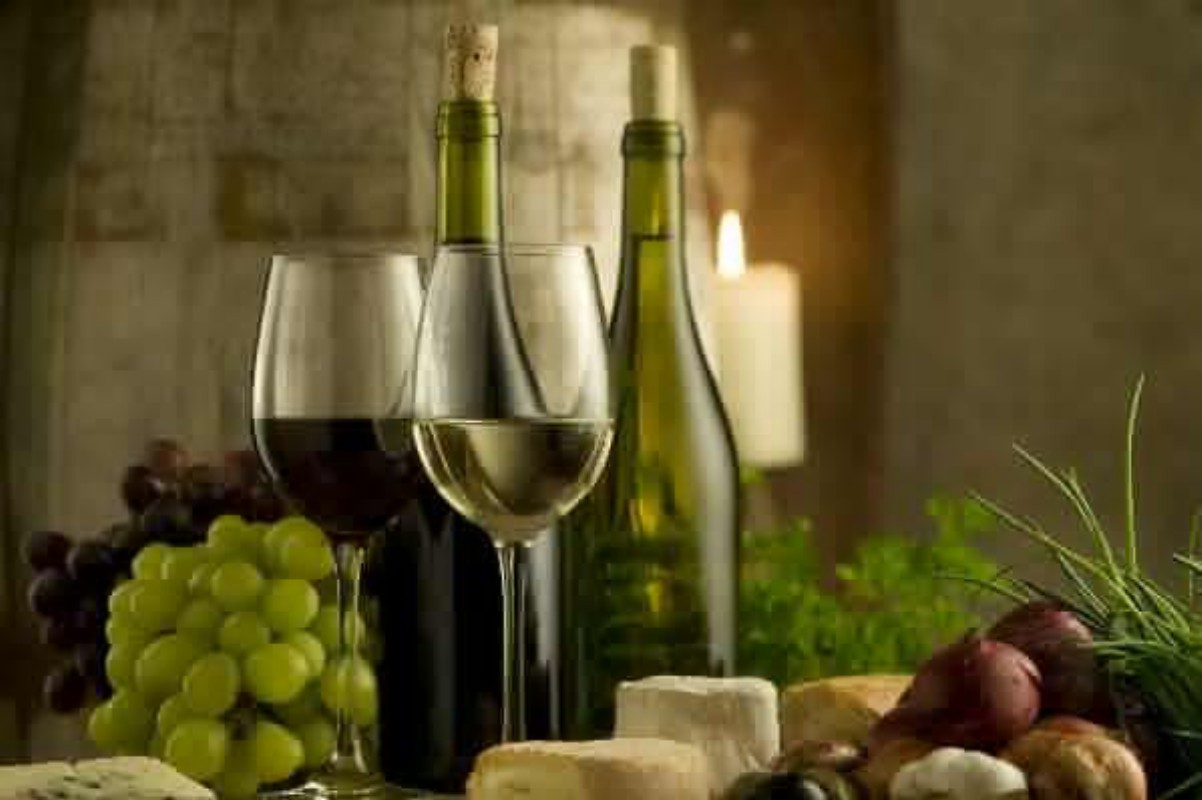
During visits to local wineries, I learned that the traditional American oak barrel aging process gives Rioja red wines their distinctive vanilla and coconut aromas. A quality Rioja Crianza typically costs between 15-25 euros, offering excellent value for money.
Modern Innovation in Ribera del Duero
Compared to Rioja’s tradition, the Ribera del Duero region represents the modern development direction of Spanish wines. The red wines here have deeper colors and fuller bodies, perfect for pairing with grilled meats and other robust dishes.
Worth mentioning is that some wineries in this region have begun adopting biodynamic farming methods, pursuing purer terroir expression. I once tasted a wine from Vega Sicilia, and although it was expensive, the complex aromatic layers were truly unforgettable.
Practical Wine Selection Tips
For friends just starting to explore Spanish red wines, I’ve compiled a simple reference table:
| Region | Characteristics | Price Range | Recommended Pairings |
|---|
| Rioja | Oak aromas, well-balanced | 10-50 euros | Roasted lamb, cheese |
| Ribera del Duero | Full-bodied, strong tannins | 15-100 euros | Steak, game meat |
| Toro | High alcohol, intense flavors | 8-30 euros | Grilled meat, stews |
When purchasing, pay attention to the vintage and grade markings on the label. Joven is suitable for daily drinking, while Crianza and Reserva are more appropriate for special occasions.
Integrating Wine Culture into Daily Life
In Spain, red wine is not just a beverage, but a carrier of social interaction and culture. Whenever gathering with friends, someone always brings a good bottle to share. I gradually learned to appreciate the unique styles of different regions and better understood Spaniards’ pride in their local wines, including the heritage of Carlos family wines.
Finally, I want to say that truly good wine isn’t necessarily the most expensive, but the one that touches your palate and soul. Through this process, I haven’t just tasted fine wines, but have also gained a deeper understanding of Spain’s terroir and culture. I hope my sharing can help more friends begin their own Spanish wine exploration journey.
