Spanish Sangria Guide: Making and Enjoying Traditional Iced Red Wine
With the weather getting warmer, I’m reminded of that unforgettable glass of sangria I had in Seville last summer. This traditional Spanish beverage is not only refreshing and light, but also simple to make - perfect for enjoying with friends at home gatherings. Today I’ll share the preparation method and some personal insights.
Historical Background of Sangria
The name ‘sangria’ comes from the Spanish word ‘sangre,’ meaning blood, named after its red appearance. This beverage originated in 18th century Spain, initially created to make ordinary red wines more palatable. Traditional sangria is not just a drink, but an important part of Spanish social culture.
Classic Recipe
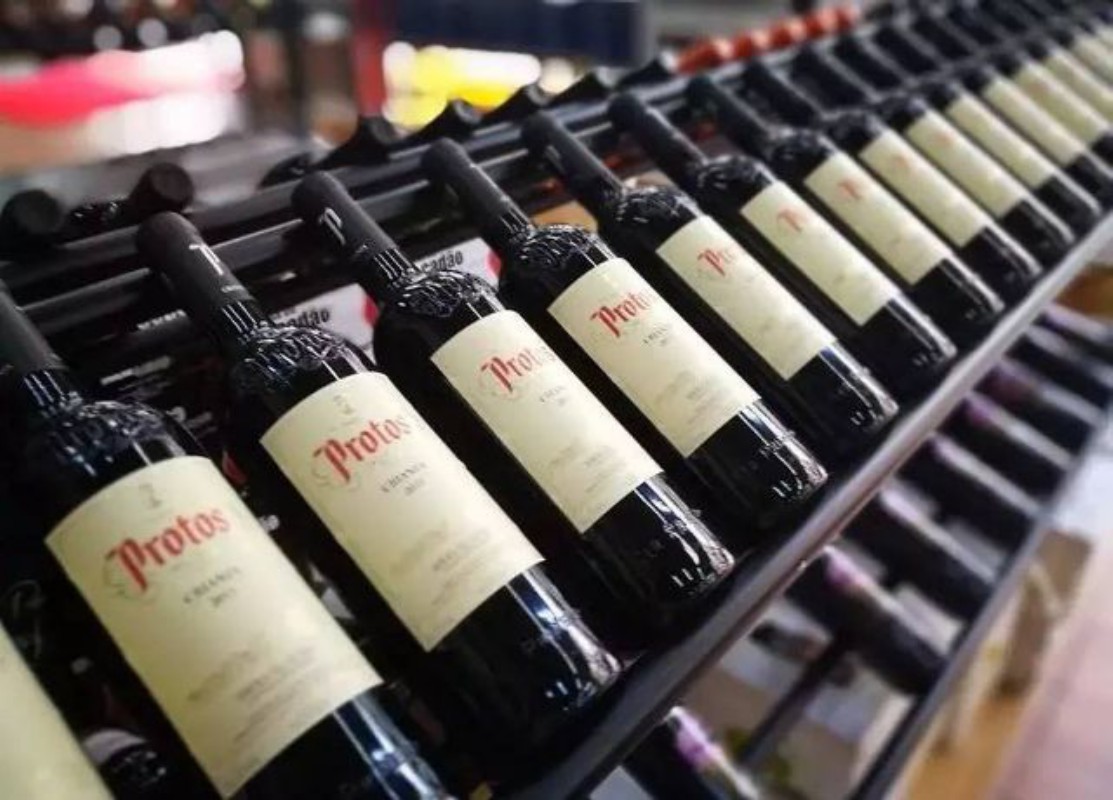
Making an authentic pitcher of sangria requires the following ingredients. I personally prefer using Tempranillo or Garnacha, these Spanish native red wines that are reasonably priced with balanced flavors.
| Ingredients | Amount | Notes |
|---|
| Red wine | 750ml | Dry red recommended |
| Orange | 2 pieces | For slicing |
| Lemon | 1 piece | For juice and slices |
| Apple | 1 piece | Core removed, diced |
| White sugar | 3 tablespoons | Adjust sweetness |
| Brandy | 60ml | Optional addition |
| Soda water | 250ml | Adds fizz |
Important tip: All fruits must be fresh for the best flavor. The preparation is simple: first process the fruits and place them in a large glass pitcher, pour in the red wine and brandy, add sugar and stir until completely dissolved. Then refrigerate for at least 2 hours, and add soda water and ice cubes before serving.
Personal Brewing Tips
After multiple attempts, I’ve discovered several tricks that make sangria taste exceptional. First, don’t use expensive red wine, as the delicate wine flavors get masked by the fruits and other ingredients. Second, chilling time is crucial - I usually prepare it the night before to let the fruit aromas fully infuse into the wine.
Also, you can adjust fruit combinations for different seasons. In summer, add more berries like strawberries and blueberries; in winter, add cinnamon sticks and cloves to create a warm version of sangria.
Tasting Suggestions and Pairings
Sangria is best enjoyed in the evening with friends, paired with Spanish tapas like olives, ham slices, or cheese for the perfect experience. When drinking, remember to enjoy it with the fruits for the complete flavor profile. Every time I prepare this drink for gatherings, friends praise it endlessly - it has now become our regular party beverage.
