As a wine enthusiast who has lived in Spain for many years, I have always been deeply attracted by the wine advertisements here. From television screens to street posters, Spanish wine advertisements are not just product promotions, but more like miniature cultural documentaries.
Perfect Fusion of Tradition and Modernity
The most impressive feature of Spanish wine advertising is the clever use of traditional culture. Whether it’s Marqués de Riscal from the Rioja region or Vega Sicilia from Ribera del Duero, these renowned wineries’ advertisements always manage to perfectly combine ancient winemaking crafts with modern lifestyles. You often see traditionally dressed winemakers working in ancient cellars, then the camera shifts to young people in modern cities elegantly tasting the same wine.
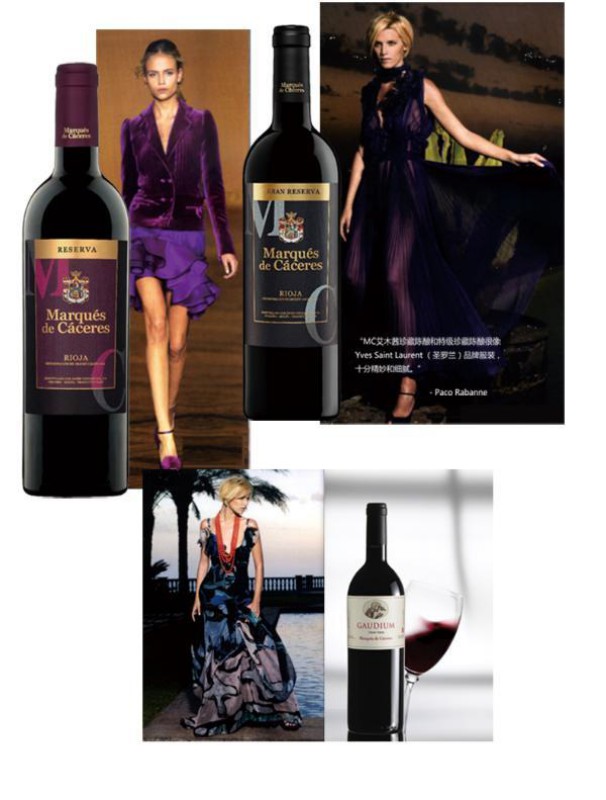
Deep Exploration of Regional Characteristics
Wine advertisements from different regions have distinct regional characteristics. Cava sparkling wine advertisements from Catalonia are filled with Mediterranean sunshine, while Rías Baixas white wine advertisements from Galicia showcase the fresh atmosphere of the Atlantic coast. This regionalized marketing strategy allows consumers to not just purchase a bottle of wine, but to experience a lifestyle and cultural atmosphere.
| Region | Advertising Features | Representative Brands |
|---|
| Rioja | Traditional crafts, family heritage | Marqués de Cáceres |
| Ribera del Duero | Modern technology, meticulous craftsmanship | Pesquera |
| Priorat | Mountain charm, bold personality | Álvaro Palacios |
The Art of Emotional Marketing
Spanish wine advertising is truly artistic in emotional marketing. They rarely directly promote product efficacy or price advantages, but touch the audience’s hearts through storytelling. For example, a famous brand’s advertisement tells the story of an old winemaker passing his life’s work to his grandson, without mentioning the wine’s taste or awards, yet it creates deep respect and trust for the brand.
New Approaches in the Social Media Era
With the rise of social media, Spanish wine brands have also kept pace with advertising strategies. Food bloggers on Instagram collaborate with wineries to showcase perfect pairings of wine with Spanish cuisine; wine tasting videos on YouTube allow consumers to more intuitively understand the characteristics of different wine selections through Spanish wine advertising slogans. These new media advertising formats breathe new life into traditional wine culture and attract more young consumers to Spanish wines.
The success of Spanish wine advertising lies in finding the balance between tradition and modernity, local and international, product and culture. As consumers, while appreciating these exquisite advertisements, we are also subtly influenced by Spain’s profound wine culture through [Rioja wine advertising].
