Madrid Wine Trade Fair Experience
Just returned from the wine trade exhibition in Madrid, and I’m deeply impressed. As one of Europe’s important wine regions, Spain’s position in international wine trade is becoming increasingly prominent. This exhibition brought together over 200 wineries from renowned regions including Rioja, Ribera del Duero, and Priorat, creating quite a spectacular display.
What impressed me most at the fair was the Spanish wine merchants’ emphasis on Asian markets. Many wineries were equipped with Chinese translators and had specially prepared product lines targeting Asian consumer preferences. According to a winery owner from the Rioja region, their exports to Asia increased by 35% last year, with the Chinese market accounting for a significant portion.
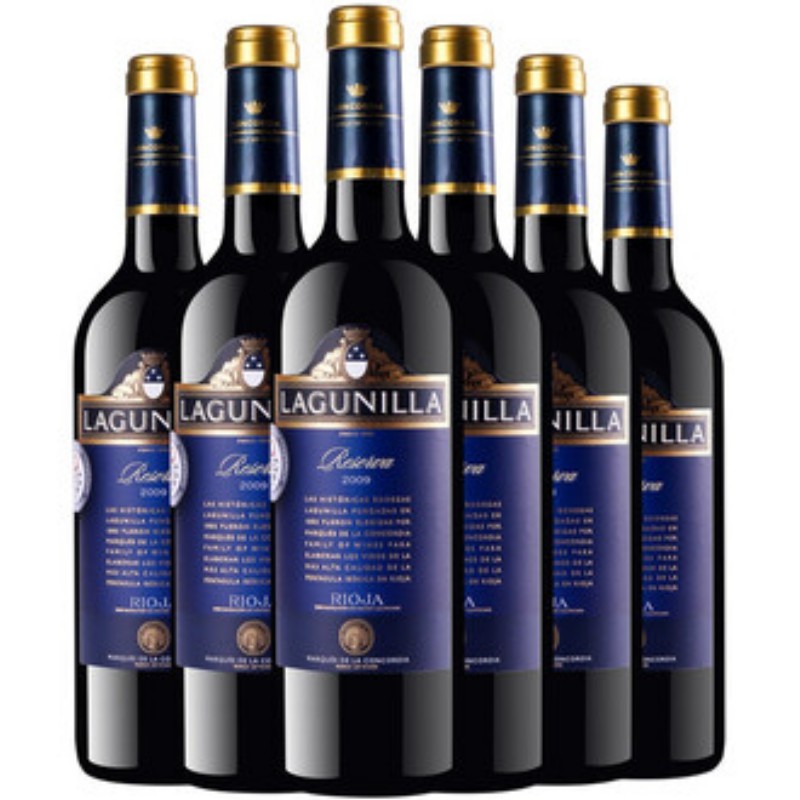
Major Regional Participation
This exhibition covered almost all important Spanish wine regions. From traditional Rioja to emerging Toro region, each booth had its own distinctive features. Rioja region remained the most attention-grabbing, with the largest booth space and highest number of participating wineries. Meanwhile, Tuscany-style Priorat wines attracted numerous professional buyers due to their unique slate soil terroir.
| Region | Participating Wineries | Main Varieties | Average Price Range |
|---|
| Rioja | 45 | Tempranillo | 15-80 |
| Ribera del Duero | 32 | Tempranillo | 20-120 |
| Priorat | 18 | Garnacha | 25-150 |
| Jumilla | 22 | Monastrell | 8-35 |
The on-site wine tasting sessions were particularly interesting, with each region having dedicated sommeliers providing explanations. I tried several wines from different regions and discovered that Spanish wine diversity truly exceeded expectations. I used to think Spanish wines were relatively monotonous, but this tasting completely changed my perspective. From light and fresh young wines to rich and complex aged vintages, there was something for everyone.
New Trends in Trade Cooperation
The trade negotiation sessions held during the exhibition revealed some interesting insights. Spanish wine exporters are actively seeking long-term cooperative relationships with Asian importers, rather than just one-time transactions. Several large wineries even proposed joint brand promotion cooperation models, hoping to establish more stable sales networks in target markets.
Notably, sustainable development and organic certification became hot topics at this Spanish wine trade exhibition. Over 60% of participating wineries had obtained some form of environmental certification, reflecting the international market’s emphasis on sustainable production methods. A young winery owner from the Valencia region told me that their organic wines are particularly popular in Nordic markets, with sales 20% higher than traditionally produced similar products.
