As a wine enthusiast who has lived in Spain for many years, I’d like to share some insights on the collection value of local wines. In recent years, Spanish wines have performed increasingly well in international markets, and many friends have started paying attention to collection investment opportunities.
Collection Potential of Major Spanish Regions
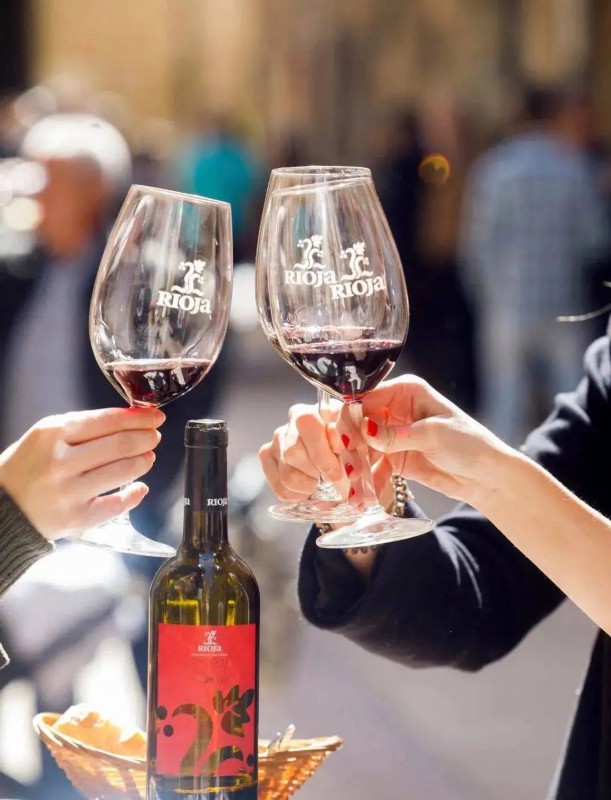
From a regional perspective, Rioja is undoubtedly one of the most collectible wine regions. The Gran Reserva level wines from here, particularly those from renowned wineries like Marqués de Riscal and CVNE, have shown stable performance in auction markets. Ribera del Duero region is equally worth attention, with works from top wineries like Vega Sicilia and Pingus showing tremendous price appreciation potential.
Although Priorat region is relatively small, it produces extremely high-quality wines with constantly rising collection value. This region’s unique soil produces wines with strong aging potential, typically lasting over 20 years.
Classification Levels and Price Trends
Spanish wine classification system provides excellent reference standards for collection. From an investment perspective, different levels show distinct collection value differences:
| Level | Aging Time | Collection Value | Price Range (€) |
|---|
| Joven | No aging requirement | Low | 5-15 |
| Crianza | Minimum 2 years | Medium | 15-40 |
| Reserva | Minimum 3 years | High | 40-100 |
| Gran Reserva | Minimum 5 years | Highest | 100+ |
Regarding price trends, top Gran Reserva wines show annual appreciation rates of approximately 8-12%, outperforming many traditional investment products. Particularly wines from exceptional vintages like 2001, 2004, and 2010 offer even greater appreciation potential.
Practical Collection Advice
For those just beginning to collect Spanish wines, I recommend starting from several key aspects. First, choose well-known wineries and regions for better liquidity. Second, pay attention to vintage importance, as wines from good years have greater appreciation potential.
Storage conditions are also crucial factors affecting collection value. Spain’s climate is relatively dry, but summer temperatures can be high, so I recommend investing in professional wine storage equipment or choosing professional wine storage services. Never store precious collection wines in ordinary storage rooms, as temperature and humidity fluctuations will seriously affect wine quality.
Finally, I’d like to say that collecting wine is not just about investment, but also represents a lifestyle choice. While enjoying the pleasure that wine brings, if you can also achieve certain economic returns, this is undoubtedly a double harvest. I hope these experiences are helpful to everyone, and I welcome you all to share your own collection insights.
