Sherry: The Pride of Andalusia
Recently, I had the opportunity to taste several sherry wines at a traditional bar in Madrid, and their distinctive flavors left a lasting impression on me. As someone living in Spain, I feel it’s essential to share insights about this Spanish national treasure wine, often called “liquid gold.”
Sherry wine originates from the Andalusia region in southern Spain, primarily concentrated in the “Sherry Triangle” area comprising Jerez de la Frontera, Sanlúcar de Barrameda, and El Puerto de Santa María. Here, the sherry wine's chalky soil and Mediterranean climate provide ideal conditions for sherry production.
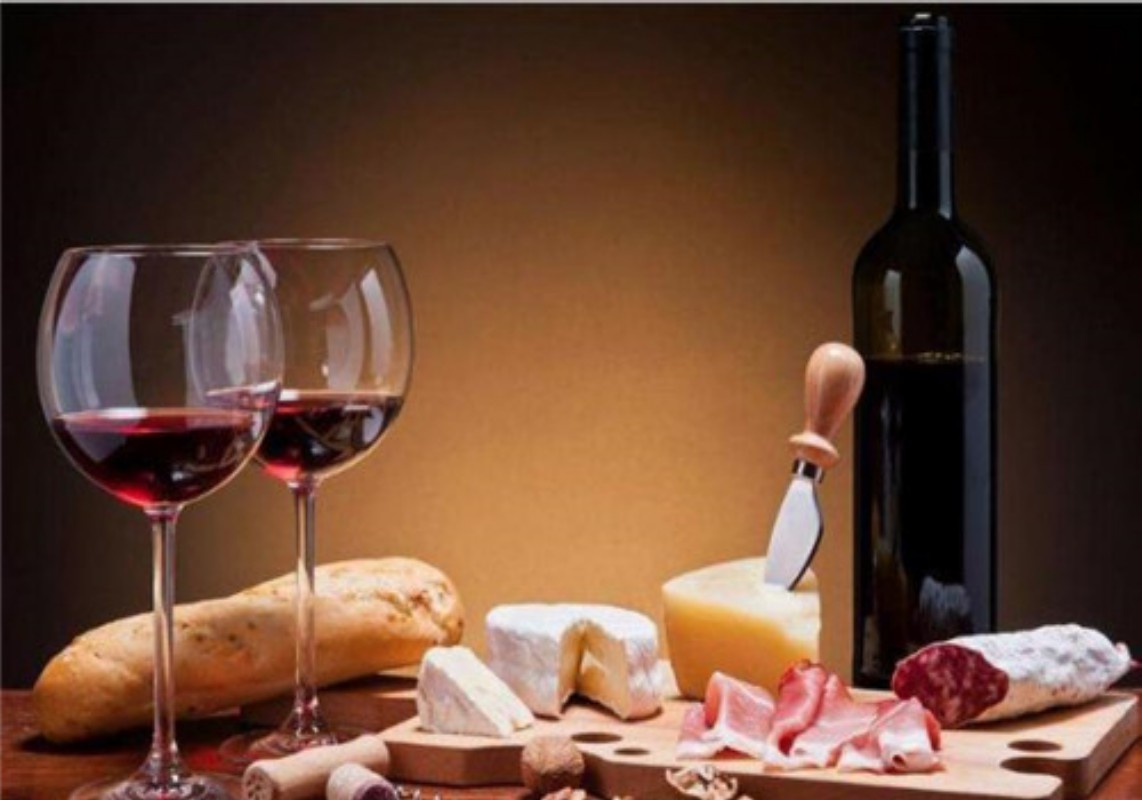
The Unique Production Process of Sherry
The most fascinating aspect of sherry lies in its unique “Solera” aging system. This is a dynamic aging method where wines from different vintages are layered in oak barrels, with new wine starting from the top layer and gradually flowing down to mix with older wines. This process ensures both consistency and complexity in sherry quality.
It’s worth noting that sherry typically has an alcohol content between 15-20%, higher than regular wines. This is because brandy is added during fermentation for fortification, which is why sherry is classified as a “fortified wine.”
Main Types of Sherry
| Type | Characteristics | Food Pairing |
|---|
| Fino | Dry, light, with yeast aromas | Seafood, nuts |
| Manzanilla | More refreshing, with oceanic notes | Oysters, ham |
| Amontillado | Medium-bodied, rich nutty aromas | Cheese, soups |
| Oloroso | Full-bodied, pronounced oxidative flavors | Stews, chocolate |
| Pedro Ximénez | Sweet, honey-like consistency | Desserts, ice cream |
During my visits to local wineries, I learned that each type of sherry has its specific aging time and process requirements. For instance, Fino needs to age under a layer of flor yeast, while Oloroso undergoes complete oxidative aging exposed to air.
Sherry Tasting Tips
As a sherry enthusiast, I recommend paying attention to several key points when tasting:
Temperature control is crucial - Fino and Manzanilla are best served chilled at 7-9°C, while Oloroso and sweet sherries are ideal at room temperature.
Using proper sherry glasses also enhances the tasting experience. These small glasses concentrate the aromas, allowing you to better appreciate sherry’s complex layers. Never use red wine glasses, as they interfere with aroma concentration.
If you’re living in Spain or visiting, I highly recommend exploring the sherry region in Andalusia. The wineries there typically offer tasting services where you can sample the freshest sherry directly from the barrels - an experience impossible to replicate elsewhere.
