The Noble Heritage of Rioja Region
I recently had the opportunity to deeply explore several renowned wineries in the Rioja region, and I was truly amazed by the historical depth of these century-old noble estates. As one of Spain’s most important wine regions, Rioja not only boasts exceptional geographical advantages but also possesses generations of inherited winemaking craftsmanship.
The Rioja region is located in northern Spain, in the Ebro River basin, where the climate conditions are absolutely perfect - a flawless fusion of continental and Atlantic climates, providing ideal growing conditions for native grape varieties like Tempranillo. Many wineries trace their history back to the 19th century or even earlier, with these noble families operating their vineyards through generations.
The Charm of Traditional Craftsmanship
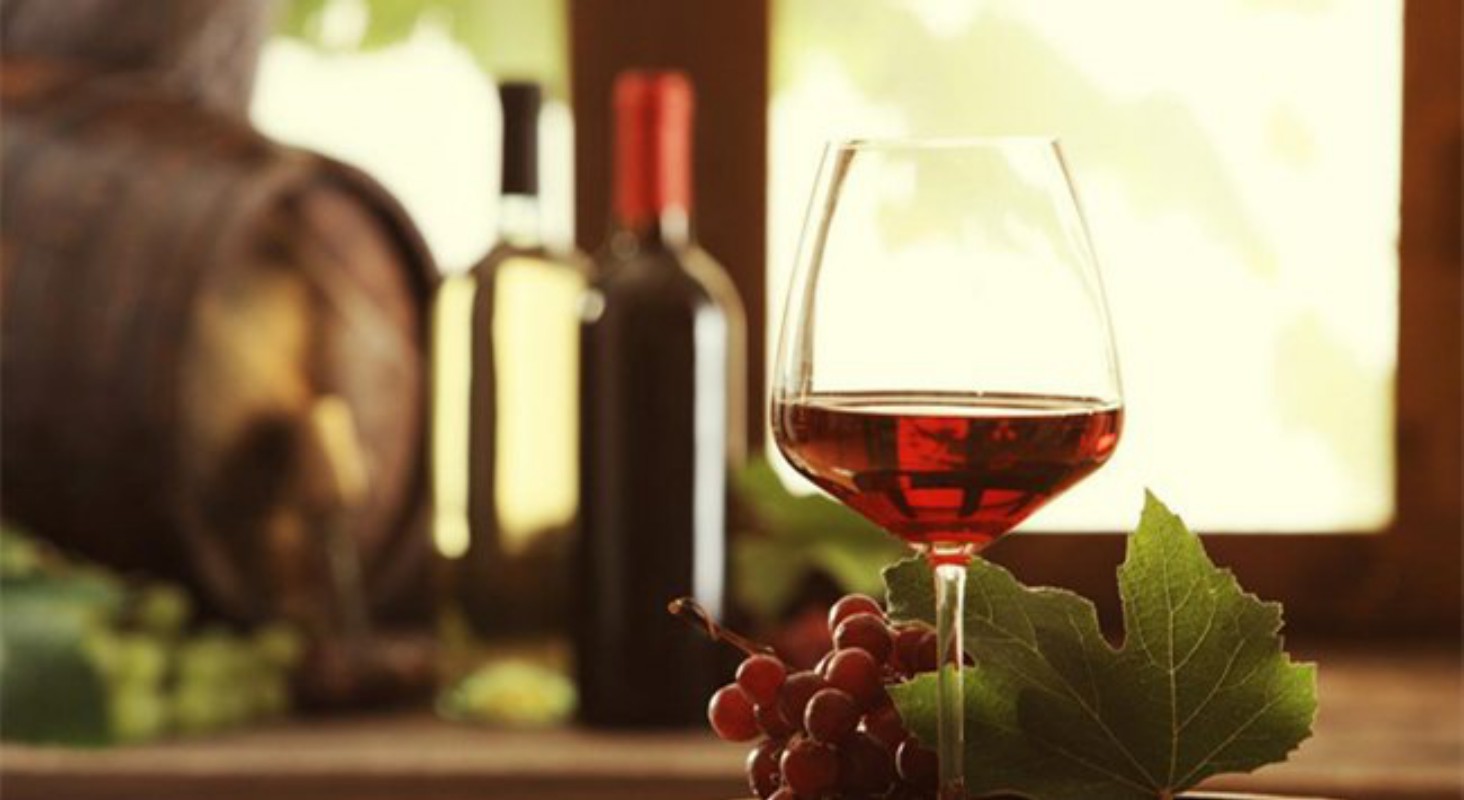
What impressed me most during the visits was these wineries’ dedication to traditional techniques. Take Marqués de Riscal winery as an example - they still use 19th-century winemaking methods, including hand-harvesting grapes, traditional fermentation processes, and long-term aging in French oak barrels. This commitment to tradition is the key to ensuring the quality of noble red wines.
Different wineries have their own unique aging periods, from the basic Crianza to the premium Gran Reserva, each level has strict standards. I used to think all Spanish red wines were similar, but after experiencing them firsthand, I discovered the differences are enormous.
Tasting Experience and Purchasing Recommendations
Here are some practical purchasing references:
| Winery Type | Price Range | Recommended Level |
|---|
| Family Small Wineries | 15-30 | Crianza/Reserva |
| Renowned Noble Wineries | 35-80 | Reserva/Gran Reserva |
| Premium Collectibles | 100+ | Gran Reserva Limited Edition |
For first-time tasters, I recommend starting with Reserva level, which offers sufficient complexity at a reasonable price. Particularly worth noting are wineries with DOCa certification, which represents Spanish noble old vine red wine Spain’s highest wine certification level.
Balancing Modern and Traditional
Many noble wineries today are seeking balance between tradition and modernity. While maintaining the core of traditional winemaking, they also introduce modern temperature control equipment and quality monitoring systems. This combination allows Rioja wines to maintain their classic flavors while significantly improving quality consistency.
It’s worth mentioning that most of these wineries offer appointment-based visits, including cellar tours and professional tasting courses. If you have the chance to travel to Rioja, I strongly recommend allocating one to two days for an in-depth experience with Spanish noble red wine - it will absolutely transform your perception of Spanish red wines.
