Recently at a wine tasting event in Madrid, I met Dr. Xue, a Chinese expert who has been deeply involved in the Spanish wine industry for many years. He shared many professional insights about Spanish wines that I found very valuable and wanted to share with everyone.
Dr. Xue graduated from the Technical University of Madrid with a degree in Food Engineering, later specializing in winemaking technology, and has been working in Spain for 15 years. He told me that many people’s understanding of Spanish wines still remains at a relatively superficial level, when in fact Spanish wine culture and winemaking craftsmanship have very deep foundations.
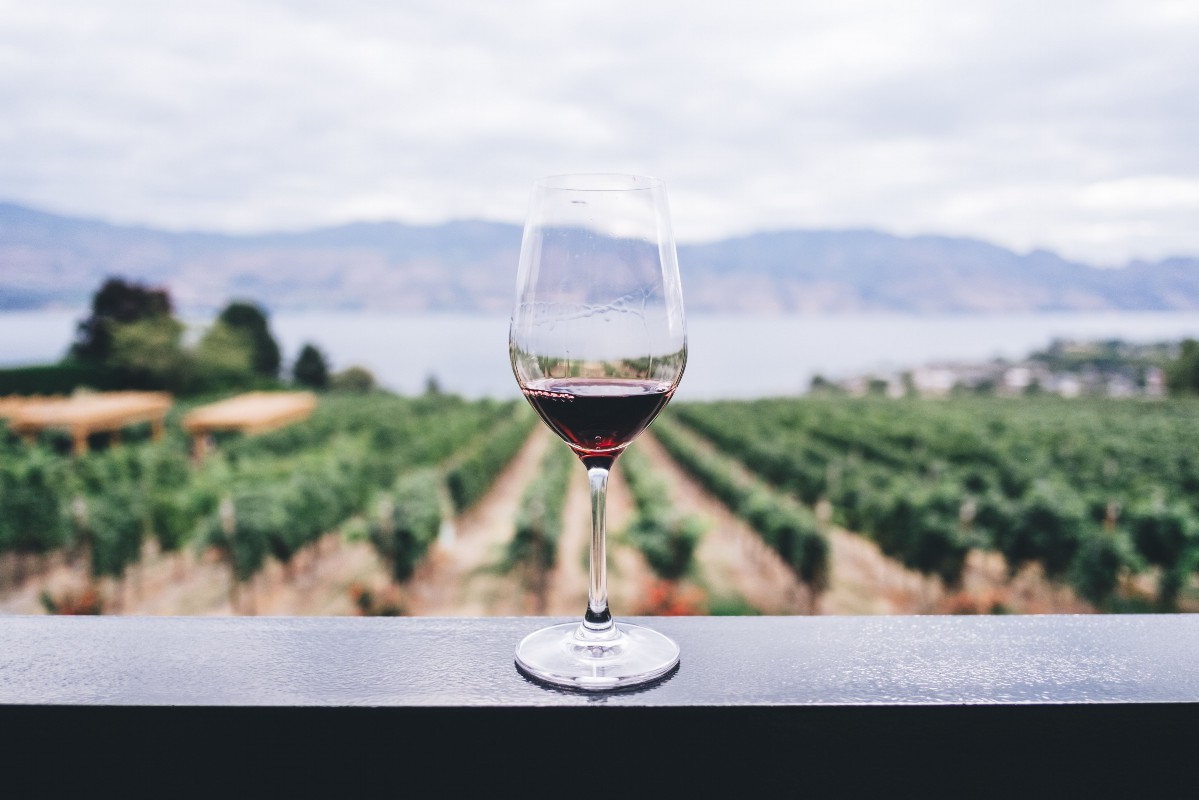
Analysis of Main Regional Characteristics
Dr. Xue particularly recommended several key Spanish wine regions. He said that Rioja wines are renowned for their elegance, especially Gran Reserva level wines, with aging potential reaching 20-30 years. The Ribera del Duero region is famous for its rich and full-bodied wines, primarily using Tempranillo grape varieties.
Selection recommendations for different price ranges were also very practical. Dr. Xue suggests beginners start with wines in the 15-25 euro price range, where you can find good quality Crianza or Reserva level red wines. For wine enthusiasts with some foundation in [Spanish Wine Garden experience], they can try Gran Reserva wines in the 40-60 euro range to experience more complex layers and flavors.
| Region | Main Varieties | Characteristics | Recommended Price |
|---|
| Rioja | Tempranillo | Elegant balance | 20-80 euros |
| Ribera del Duero | Tempranillo | Rich and full-bodied | 25-100 euros |
| Priorat | Garnacha blends | Strong mineral character | 30-120 euros |
Dr. Xue also shared an interesting perspective: don’t blindly pursue high-scoring wines, what suits your taste is the best. He suggests people participate more in wine tasting activities to develop their taste memory through actual tasting. In major Spanish cities, wineries frequently hold tasting events, which are great learning opportunities.
Finally, Dr. Xue reminded that wine storage is also important. Spain’s climate is relatively dry, so when storing at home, pay attention to avoiding light and maintaining constant temperature, with ideal temperatures between 12-18 degrees. If conditions allow, it’s best to have a dedicated wine cabinet to keep good wines in optimal condition.
