Recently, I’ve seen a lot of discussions about Spanish influencer wines on social media. As someone who has lived in Madrid for three years, I want to share my real experience with you. To be honest, when I first arrived, I was also drawn to those beautifully packaged, well-marketed influencer wines.
Let’s talk about pricing first. These influencer wines are typically priced between 15-30 euros, which is significantly more expensive than traditional Spanish local winery products. I remember the first time I saw a wine that was very popular on Instagram at El Corte Inglés, it was priced at 25 euros, while a traditional winery product of comparable quality next to it was only 12 euros. This price difference made me start thinking whether I was paying for the wine or for the marketing.
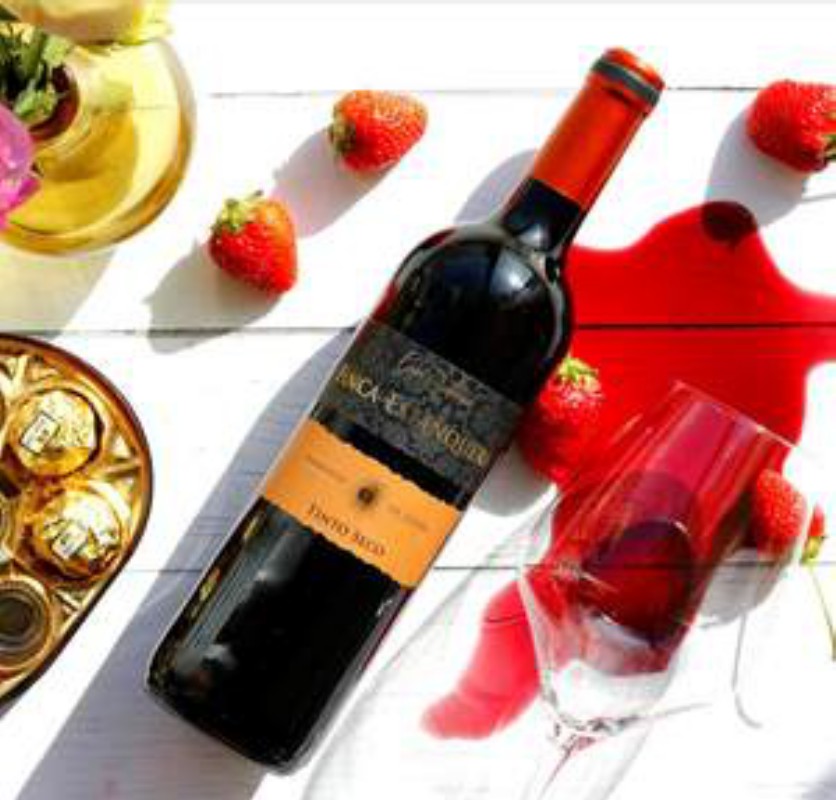
Taste Experience Comparison
I’ve gradually tried several popular influencer wines, including that pink-packaged rosé and one branded as “young people’s first red wine.” Frankly speaking, the taste is indeed decent, but it doesn’t reach the standard corresponding to its price. In comparison, some niche winery products recommended by local friends at the same price point offer wines with much more complexity.
Here’s some comparative data I’ve compiled:
| Type | Average Price | Taste Rating | Value for Money |
|---|
| Influencer Wines | 20-30 | 7.5 | Medium |
| Traditional Wineries | 12-18 | 8.2 | High |
| Supermarket Private Labels | 8-12 | 7.0 | Very High |
Purchasing Recommendations
If you’re new to Spanish wine culture, Spanish influencer wine prices influencer wines are indeed a good entry choice. They usually have moderate acidity and tannins that aren’t too heavy, suiting Asian taste preferences. However, if you want to deeply understand Spanish influencer wine reviews Spanish wine culture, I suggest trying more traditional local winery products.
Key points worth noting in my opinion: The packaging design is indeed very attractive, perfect for gifting or social media posts; marketing strategies target young consumer groups with strong social attributes; but value for money is relatively average - the same budget can get you better traditional wine options.
Spanish influencer wines aren’t bad, but they’re not particularly outstanding either. If you like their packaging and brand concept, buying them occasionally to try is perfectly fine. However, if you want better value for money, I recommend paying more attention to niche brands recommended by locals - you’ll often find unexpected surprises.
