The Scientific Secrets of Spanish Wine Dealcoholization
During a recent visit to a winery in Madrid, I witnessed their dealcoholized wine production line - it was truly impressive. As a wine enthusiast who has lived in Spain for many years, I’d like to share the principles and processes behind Spanish wine dealcoholization.
What is Wine Dealcoholization
Wine dealcoholization involves using specific techniques to remove or significantly reduce the alcohol content in wine while preserving as much of the original flavor and nutritional components as possible. In Spain, this technology has become quite mature, particularly in wineries in the Rioja and Castilla-La Mancha regions.
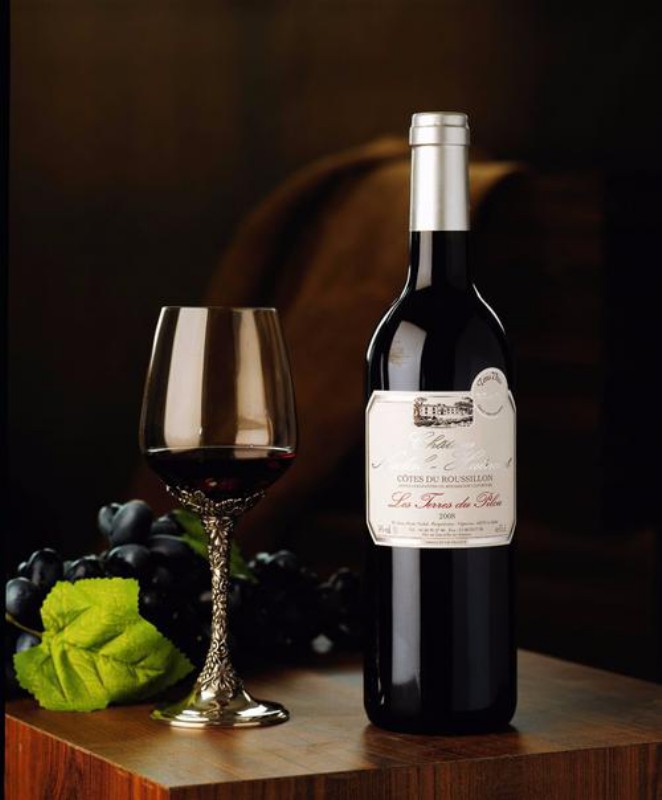
Comparison of Main Dealcoholization Methods
Spanish wineries commonly use several categories of dealcoholization techniques:
| Dealcoholization Method | Temperature Conditions | Flavor Retention | Cost |
|---|
| Vacuum Distillation | 35-40°C | Moderate | Lower |
| Reverse Osmosis Membrane Separation | Room Temperature | Higher | Moderate |
| Spinning Cone Column Distillation | 25-35°C | Highest | Higher |
| Stripping Method | Room Temperature | Moderate | Lowest |
Traditional Vacuum Distillation Process
Vacuum distillation is Spain’s most traditional dealcoholization method. The principle is simple: in a vacuum environment, alcohol’s boiling point drops significantly, evaporating at around 35-40 degrees Celsius. This removes alcohol while avoiding damage to heat-sensitive compounds in red wine, such as anthocyanins and tannins.
However, this method has drawbacks - it tends to carry away some aromatic components. Many wineries collect the distilled aromatic concentrate and add it back at the end.
Modern Membrane Separation Technology
In recent years, reverse osmosis membrane separation technology has become increasingly popular in Spain. This method requires no heating, relying entirely on pressure and the selective permeability of special membrane materials. Alcohol molecules are relatively small and easily pass through the membrane, while most flavor compounds are retained.
At a winery near Barcelona, I learned about Spanish dealcoholized red wine, where their membrane separation equipment can reduce alcohol content from 13% to below 0.5%, with the entire process conducted at room temperature, completely eliminating concerns about high-temperature quality impact.
Key to Quality Preservation
The greatest challenge in dealcoholization is maintaining the wine’s original quality. Spanish wineries typically employ several strategies:
First is low-temperature operation - regardless of the method used, temperature must be strictly controlled to avoid damaging heat-sensitive components. Second is batch processing, where different batches of dealcoholized wine may require adjusted process parameters. Finally, aroma recovery involves re-adding aromatic components lost during distillation.
After learning all this, doesn’t dealcoholized wine production seem much more complex than imagined? The deep scientific principles behind it showcase the technical prowess of the Spanish wine industry. Next time you enjoy alcohol-free red wine, consider these processes - you might have an entirely different experience.
