Recently, while purchasing Spanish wine at the supermarket, I noticed that many wine bottles have barcodes starting with 69. As a wine enthusiast, I specifically researched this phenomenon and discovered several interesting insights worth sharing.
The True Meaning of Barcode 69
Many people assume that barcode 69 represents some special significance, but this is actually a common misconception. The first few digits of a barcode are called country codes or regional codes, but 69 is not Spain’s exclusive code. Spain’s official barcode prefix is 84, while 69 is actually one of the barcode prefixes for mainland China.
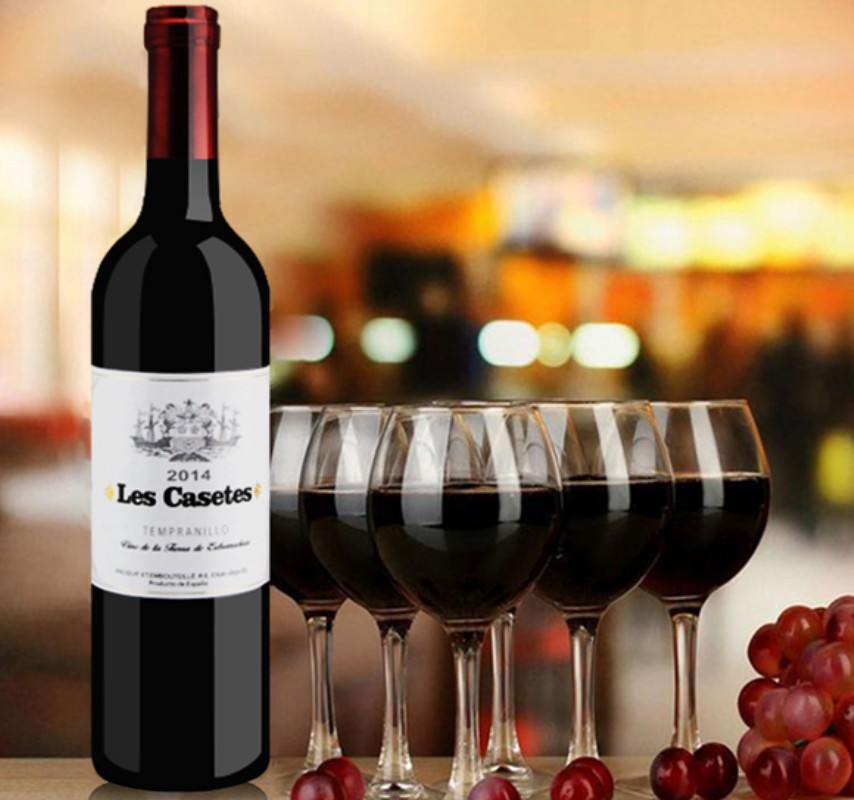
This means if you see a bottle labeled as “Spanish import” wine but the barcode starts with 69, this wine was very likely produced or packaged in China. Of course, this doesn’t necessarily mean the wine quality is problematic, but it does reveal the product’s true origin.
How to Identify Authentic Spanish Wine
To purchase genuine Spanish wine, we need to master some identification techniques. First, check the barcode - authentic Spanish-produced wines should start with 84. Second, carefully examine the Spanish wine barcode regional information on the wine label, as Spain has many famous wine regions.
| Major Spanish Regions | Signature Varieties | Quality Classification |
|---|
| Rioja | Tempranillo | DOCa |
| Ribera del Duero | Tempranillo | DO |
| Priorat | Garnacha | DOCa |
| Jerez | Palomino | DO |
Authentic Spanish wines typically display specific regional names on their labels, such as “Rioja” or “Ribera del Duero.” If it only generically states “Spanish wine” without specific regions, extra caution is needed.
Purchase Recommendations and Precautions
When selecting Spanish wines, I recommend purchasing from reputable wine merchants or large supermarkets. These establishments have relatively reliable sources with lower probability of counterfeit products. Also pay attention to importer information - properly imported Spanish wines will have clear importer identification.
Price is also an important reference indicator. Genuine Spanish imported wines typically aren’t excessively cheap due to transportation, customs, and other costs. If you see unusually low-priced “Spanish wines,” be vigilant. Those so-called imported wines selling for 10 yuan per bottle are basically problematic.
Understanding barcode meanings is just one aspect of identifying wine authenticity. As consumers, we need to evaluate from multiple perspectives to purchase truly quality Spanish wines. I hope these insights help fellow wine enthusiasts.
