Recently, I browsed several wine specialty stores in Barcelona and discovered that the wine market waters run truly deep. As an ordinary consumer who has lived in Spain for five years, today I want to share some wine purchasing traps I’ve encountered, hoping to help forum friends avoid getting scammed when dealing with [wine fraud].
Common Wine Fraud Techniques
The first type involves counterfeiting famous regional labels. Many unscrupulous merchants will slap Ribera del Duero or Rioja labels on ordinary table wines, instantly multiplying prices several times. I once bought a bottle labeled “Rioja Reserva” at a small shop near Mercadona, only to discover upon careful inspection at home that the region listed was La Mancha - completely different. There’s an even more cunning practice of tampering with vintages, selling 2020 new wines labeled as 2015 aged wines.
How to Identify Authentic vs Fake Wines
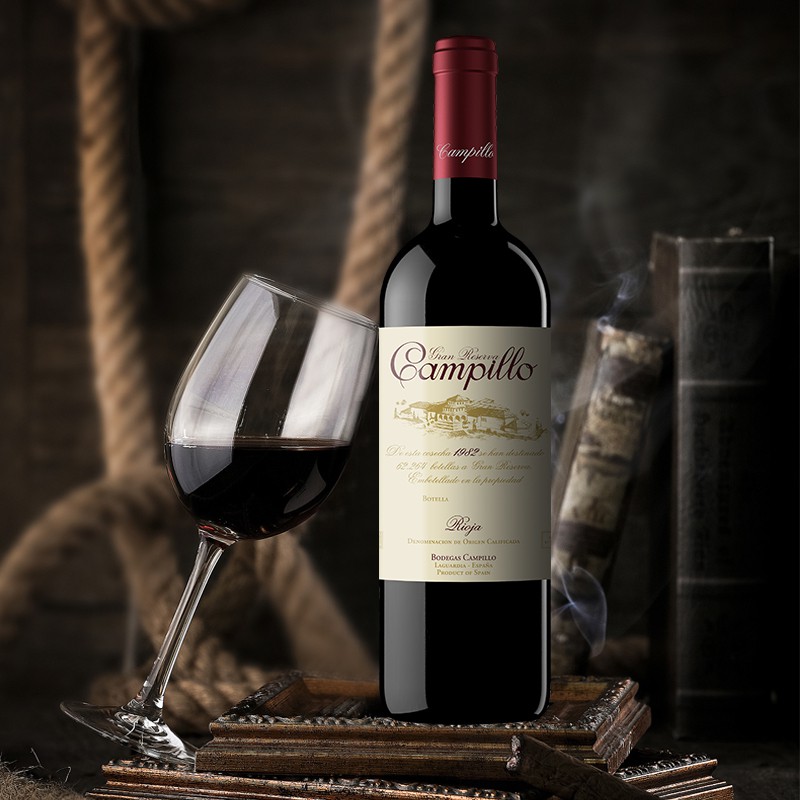
Identifying fake wines actually involves several simple methods. First, check the bottle for DO certification marks - authentic Spanish wines all carry official designation of origin protection labels. Second, examine the tax seal on the bottle neck, which is difficult to counterfeit. Most importantly, check the price - if a bottle claiming to be Gran Reserva costs only 10 euros, you can basically confirm there’s a problem, as with restaurant wine scams. Under normal circumstances, genuine Gran Reserva starts at least 25-30 euros.
| Classification | Minimum Aging Time | Reasonable Price Range |
|---|
| Joven | No requirement | 5-15 euros |
| Crianza | 24 months | 12-25 euros |
| Reserva | 36 months | 20-50 euros |
| Gran Reserva | 60 months | 30-100+ euros |
Online Wine Shopping Precautions
Nowadays many people prefer buying wine online, especially from Amazon and El Corte Inglés online stores. However, online shopping also carries risks, mainly temperature control issues during transportation. In summer, if delivery trucks lack temperature control equipment, wines can spoil in high heat. I recommend choosing merchants with cold chain transportation - while shipping costs more, it guarantees wine quality.
Another thing to watch for is “limited-time special” traps. I’ve seen online stores price ordinary Tempranillo at 80 euros, then sell it at a “special price” of 25 euros, appearing very attractive when the wine’s normal retail price is around 20 euros. Always compare prices across multiple platforms before purchasing.
Advice for Beginners
If you’re just starting to explore Spanish wines, I recommend initially purchasing from well-known chain supermarkets or professional wine merchants like Carrefour, El Corte Inglés, or reputable local winery direct sales stores. While prices at these places might not be the cheapest, they at least guarantee authentic products. After accumulating some experience, you can explore niche brands or online platform discoveries. Remember one principle: cheap wines aren’t good, but expensive ones aren’t necessarily good either. Learn more, taste more, and gradually you’ll develop your own judgment.
