Understanding Spanish Wine Production Date Tax Exemption Policies
Recently, I’ve seen many friends on forums asking about the relationship between Spanish wine production dates and tax exemptions. As a wine enthusiast who has lived in Spain for many years, I’d like to share some practical information. Spain, being one of the world’s major wine-producing regions, has tax policies that significantly impact the wine industry.
Basic Relationship Between Production Date and Tax Exemption
Spanish tax authorities apply differentiated tax policies for wines from different vintages. Generally speaking, wines with older production dates tend to have higher tax exemption amounts. This is mainly to encourage long-term wine storage and quality improvement, while protecting traditional winemaking crafts.
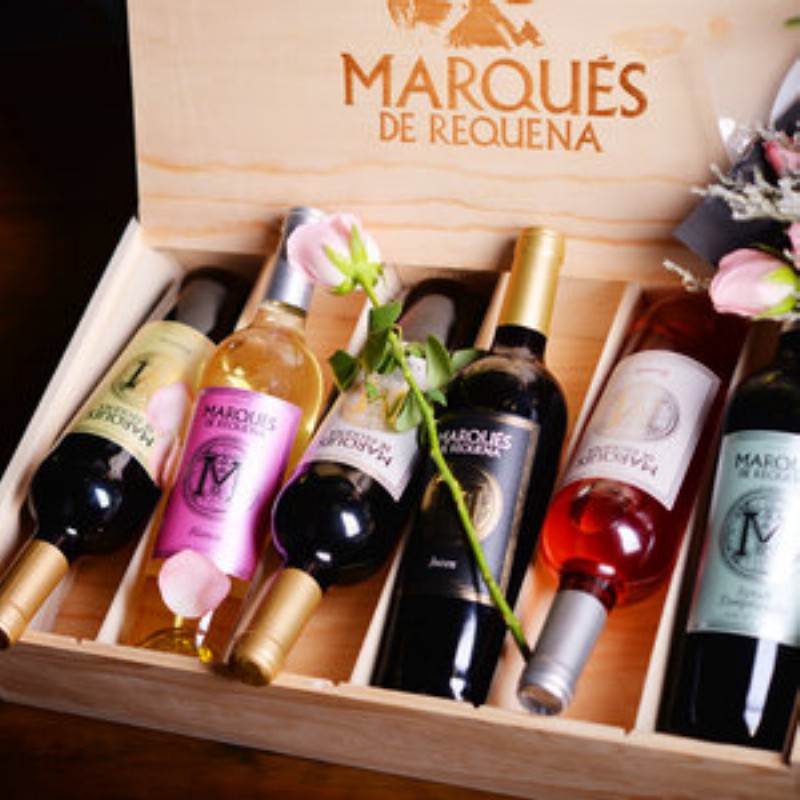
Based on my understanding, Spanish wine tax exemption policies are mainly divided into the following time periods:
| Production Year | Tax Exemption Rate | Applicable Conditions |
|---|
| 5+ years | 15% | Requires official certification |
| 3-5 years | 10% | Must meet storage standards |
| 1-3 years | 5% | Basic exemption amount |
| Current year production | 0% | No tax benefits |
Specific Process for Applying Tax Exemption
To enjoy these tax benefits, you need to prepare relevant documentation. First is the wine production certificate, which is usually provided by the winery or producer, containing detailed production date and process information. Some people think that having a purchase receipt is sufficient for Spanish wine production date verification, but you actually also need proof of storage conditions.
It’s particularly important to note that wines applying for tax exemption must be stored under specified conditions. Temperature and humidity have strict requirements, all of which will affect the final tax exemption approval results.
Important Considerations in Practical Operations
In practical operations, I’ve found that many friends tend to overlook certain details. For example, the integrity of wine packaging and label clarity can all affect the determination of production dates. I recommend that everyone pay attention to preserving all relevant documents when purchasing wine, including purchase receipts, storage records, etc.
Wines from different production regions may be subject to different tax exemption standards. Wines from renowned regions like Rioja and Ribera del Duero may have additional preferential measures in tax exemption policies. This information can usually be found on local tax authority websites for the latest policy updates.
