Spanish Wine Investment Pricing Information and Partnership Opportunities Analysis
Recently, I’ve been focusing on the Spanish wine market and discovered some excellent investment opportunities here. As a Chinese resident living in Spain for many years, I’d like to share some pricing information and market observations about Spanish wine partnerships.
Main Regional Investment Pricing Overview
As the world’s third-largest wine producer, Spain offers varying partnership policies across different regions. The Rioja region, as the most renowned DOCa-level appellation, has relatively high partnership thresholds but offers the best quality assurance. The Ribera del Duero region has developed rapidly in recent years, offering more competitive partnership pricing.
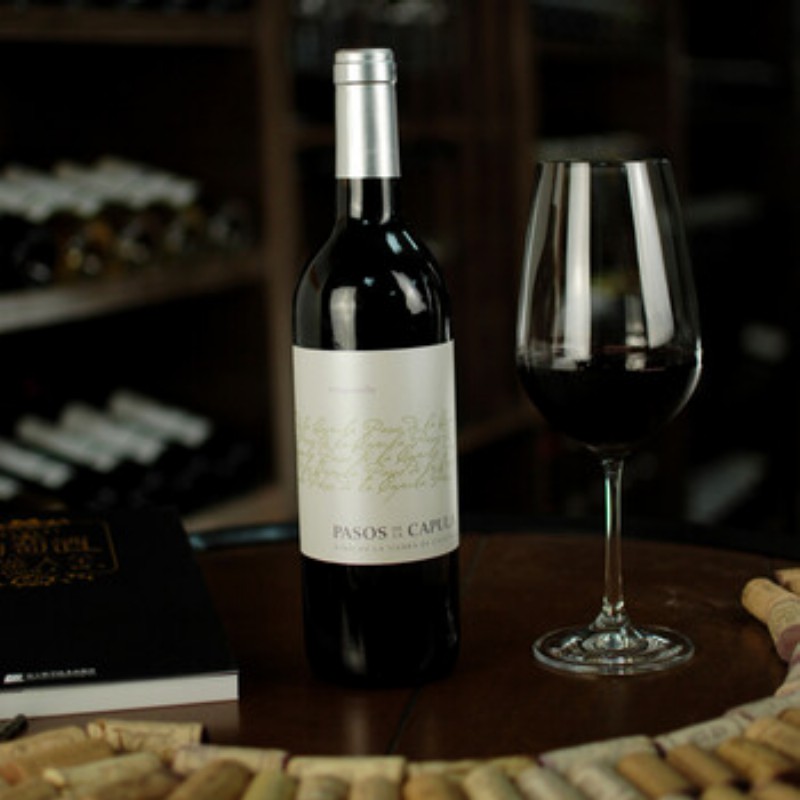
From my understanding, the pricing differences for partnerships across regions mainly reflect in the following aspects:
| Region Name | Agency Threshold | Annual Sales Requirement | Marketing Support |
|---|
| Rioja | 50000-100000 | 10000-20000 | Comprehensive |
| Ribera del Duero | 30000-60000 | 8000-15000 | Good |
| La Mancha | 20000-40000 | 5000-10000 | Basic |
| Catalonia | 25000-50000 | 6000-12000 | Moderate |
Partnership Policy Analysis
Most Spanish wineries are quite open to overseas partnerships, especially for the Asian market. Partnership policies typically include exclusive regional distribution rights, price protection, and marketing support. However, it’s worth noting that some smaller wineries may have less standardized contract terms when it comes to wine accessories, so I recommend partnering with wineries that have a certain scale and reputation.
Investment Return Expectations
According to market research, Spanish wines typically achieve gross margins of 40-60% in Asian markets. Taking the Rioja region as an example, a wine priced at 15 euros at the winery level could retail for 35-45 euros in the end market. Of course, this pricing can vary due to factors like transportation, tariffs, and distribution channels.
For interested friends, I suggest starting with small-batch trial sales to gradually understand market demand. Spanish winery owners are generally quite straightforward and willing to share more profit margins with long-term partners who focus on Spanish wine brands. Feel free to discuss any specific questions in the comments section, and I’ll do my best to share the information I have.
